

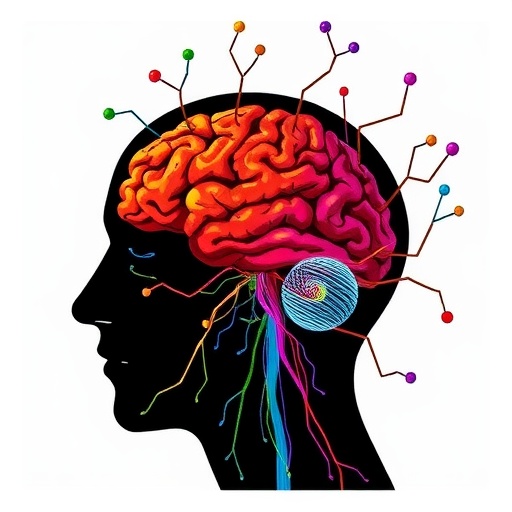
Schizophrenia: Navigating the Complex Neurobiology Towards Next-Generation Therapeutics
Schizophrenia remains one of the most enigmatic and challenging psychiatric disorders, profoundly impacting cognition, emotion, and social integration. Despite decades of research, the underlying pathophysiology of schizophrenia continues to elude full elucidation, impeding the development of comprehensive treatment strategies. Recently, an exhaustive review authored by researchers at Peking University Sixth Hospital, published in Science China Life Sciences, offers an integrated perspective on the multifaceted biological underpinnings of schizophrenia, combining insights from neurotransmitter systems, neurodevelopmental deviations, immune dysregulation, and genetic vulnerabilities.
Historically, therapeutic interventions have predominantly targeted dopaminergic pathways, predicated on the dopamine hypothesis of schizophrenia which posits hyperactivity within mesolimbic dopamine circuits as central to positive symptoms such as hallucinations and delusions. While dopamine receptor antagonists remain the cornerstone of antipsychotic regimens, their clinical efficacy shows clear limitations. Particularly, the persistent negative symptoms—manifesting as affective flattening, avolition, and anhedonia—and pervasive cognitive deficits remain largely refractory to these treatments. This critical therapeutic gap has galvanized efforts to identify and validate novel molecular targets that transcend the dopamine-centric framework.
Emerging pharmacological innovations spotlight the trace amine-associated receptor 1 (TAAR1) as a promising non-dopaminergic target. TAAR1 agonists, such as Ulotaront, modulate monoaminergic neurotransmission through mechanisms distinct from traditional antipsychotics, exhibiting efficacy in ameliorating both positive and negative symptom domains without the typical extrapyramidal side effects. Complementarily, muscarinic acetylcholine receptors, specifically the M1 and M4 subtypes, have garnered attention for their modulatory influence on cognitive processes and psychotic manifestations. KarXT, a muscarinic receptor modulator, exemplifies this novel therapeutic class and is currently under clinical investigation for its potential to enhance cognitive and functional outcomes in schizophrenia.
Another avenue involves the glutamatergic system, particularly the N-methyl-D-aspartate (NMDA) receptor, whose hypofunction has been implicated in schizophrenia’s cognitive and negative symptoms. NMDA receptor enhancers, such as Iclepertin, are designed to rectify glutamatergic deficits and restore synaptic plasticity. Although still in developmental phases, these agents embody a paradigm shift toward targeting neurochemical systems integral to synaptic communication rather than solely dopamine signaling.
Beyond neurotransmitter modulation, emerging research underscores the intricate role of immune mechanisms and neuroinflammation in schizophrenia’s etiology. Cytokine imbalances and microglial activation suggest a neuroimmune interface contributing to disease onset and progression. This recognition has catalyzed investigations into anti-inflammatory agents as adjunctive therapies, aiming to mitigate inflammation-driven neuronal damage. Parallel to this, the gut-brain axis is increasingly appreciated for its influence on neural function. Probiotics and microbiome-targeted interventions are under exploration for their capacity to modulate systemic and central nervous system inflammation, thereby offering a novel, non-invasive strategy to complement conventional treatments.
The review extensively discusses the role of cutting-edge neuroimaging modalities and electrophysiological techniques that have revolutionized our understanding of schizophrenia. Structural MRI and functional connectivity analyses illuminate aberrant brain circuitries, while electroencephalography (EEG) provides real-time insights into neural oscillations and synaptic dysfunction. These advances not only enhance diagnostic precision but also facilitate the stratification of patients for personalized medicine approaches, tailoring interventions based on individual neurobiological profiles.
In parallel, multi-omics technologies — including genomics, transcriptomics, proteomics, and metabolomics — have enabled comprehensive profiling of the molecular landscape associated with schizophrenia. Integrating these data layers has revealed complex gene-environment interactions and identified biomarkers predictive of disease risk, progression, and treatment response. These insights pave the way for a systems biology approach, targeting the root molecular causes rather than symptomatic manifestations alone.
Importantly, this reformulated understanding of schizophrenia challenges the classical mono-dimensional disease models and advocates for a more nuanced, multidimensional framework. The authors argue that future therapeutic strategies must address the heterogeneous nature of schizophrenia, embracing its neurodevelopmental origins, immune components, and synaptic impairments holistically.
The review also highlights promising translational research bridging preclinical discoveries and clinical applications. Animal models replicating neurodevelopmental risk factors and immune perturbations have been invaluable in elucidating pathogenic mechanisms and evaluating novel compounds. However, the complexity of schizophrenia necessitates continuous refinement of these models to more accurately simulate human disease pathology and pharmacodynamics.
In summary, the comprehensive review crafted by the Peking University research team delivers a compelling synthesis of current knowledge and emerging scientific trajectories in schizophrenia research. It underscores the urgent need for innovative therapeutics beyond dopamine antagonism, emphasizing multi-targeted approaches that integrate neurotransmission, neuroimmune regulation, and neurodevelopmental remediation.
These scientific advances herald a transformative era in schizophrenia treatment, promising to transcend symptomatic management and move towards disease-modifying interventions. As we stand at this intersection of neuroscience, immunology, and precision medicine, the hope for improved quality of life for millions affected by schizophrenia is becoming increasingly tangible. Continued interdisciplinary collaboration and robust clinical trials will be essential to translate these insights into effective, accessible therapies.
This review serves as a clarion call to the scientific and medical communities to intensify efforts in unraveling the complex pathobiology of schizophrenia and expedite the development of next-generation treatments that can address the full spectrum of this debilitating disorder.
Subject of Research:
Article Title:
News Publication Date:
Web References: http://dx.doi.org/10.1007/s11427-025-2990-0
References:
Image Credits:
Keywords: Schizophrenia, TAAR1 agonists, Ulotaront, Muscarinic M1/M4 modulators, KarXT, NMDA receptor enhancers, Iclepertin, neuroinflammation, gut-brain axis, neuroimaging, electrophysiology, multi-omics, precision medicine, neurodevelopmental anomalies, immune dysfunction


