


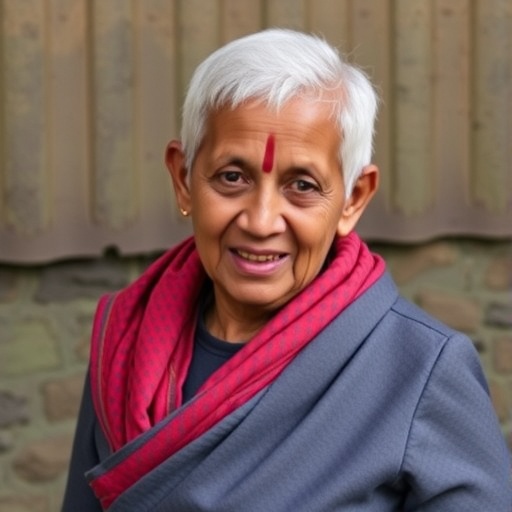
As the world witnesses rapid demographic changes, understanding the migration patterns of its aging population has never been more critical. India stands at a unique crossroads as the country undergoes significant transformations in its socio-economic landscape while grappling with an increasingly mobile older demographic. Recent research conducted by Ahamad and Bhagat has shed light on the complex phenomenon of migration among older persons in India, highlighting the patterns, characteristics, and determinants that define this demographic’s movement.
Migration, particularly among older populations, is a multifaceted issue that extends beyond mere geographical relocation. It encompasses a spectrum of motivations and consequences, impacting not only individuals but also communities and national development. In India, a country marked by diverse cultural, economic, and social contexts, migration has historically been driven by factors such as employment opportunities, family reunification, and education. However, the motivations for older adults to migrate differ significantly from those of younger populations, often intertwining seasonal labor demands with the quest for better healthcare and social support systems.
Ahamad and Bhagat’s analysis reveals that migration amongst older adults in India is not merely an escape from rural poverty or urban blight; rather, it is deeply rooted in their aspirations for social and emotional well-being. Many older migrants seek to be closer to family members, especially children who have moved to urban centers for work. The study emphasizes that family dynamics play a crucial role in the decision-making processes of older adults contemplating migration. This intergenerational relationship not only underscores the importance of family unity but also reflects the changing nature of traditional support systems in India.
Healthcare access emerges as a significant driver of migration for older persons in India. The quest for better medical facilities and services often propels elderly individuals from rural to urban locales, where healthcare infrastructure is typically more robust. Ahamad and Bhagat’s research underscores the urgency of addressing these disparities to ensure equitable access for aging populations regardless of geographic location. The potential health risks associated with migration, including the loss of social ties and the strains of urban living, further complicate the narrative on elderly migration.
Additionally, economic factors remain a focal point in the migration patterns among older persons. While they may no longer be the primary breadwinners in their families, many older adults continue to seek financial security, often driven by a desire to provide for their family members or improve their living standards. This economic lens, coupled with the aforementioned social motivations, creates a delicate balance that influences their migratory decisions. Ahamad and Bhagat advocate for policies that address the economic vulnerabilities faced by older adults, illustrating the urgent need for a holistic approach to this demographic’s challenges.
Notably, the research reveals a shift in traditional migration patterns, with a growing number of elderly individuals migrating independently rather than solely as dependents. This autonomy reflects broader changes in societal attitudes towards aging and underscores the need for supportive frameworks that cater to the needs of this group. The findings advocate for stronger social support networks and more inclusive policies that recognize the contributions of older migrants while also addressing their unique challenges.
As the older adult population continues to grow, it is crucial to recognize the potential challenges they face in urban areas, such as isolation and lack of community integration. These challenges often arise from ageism and societal stereotypes, which can hinder their participation in community life. Ahamad and Bhagat’s research calls for initiatives that promote inclusivity and encourage community engagement among older migrants. These efforts could play a pivotal role in enhancing the quality of life for older persons, fostering an environment where they can thrive.
The Indian government and local organizations are gradually acknowledging the significance of addressing the needs of this demographic. However, successful policy implementation requires a comprehensive understanding of the specific migration patterns unique to older individuals. Ahamad and Bhagat’s research serves as a critical resource for policymakers, researchers, and practitioners aiming to formulate effective strategies that prioritize the well-being of older migrants.
While the implications of this research are far-reaching, it prompts a broader reflection on societal values and norms surrounding aging. What does the future hold for an aging population in India, where migration becomes both a necessity and a choice? The answers lie not only in statistical analyses and research findings but also in our collective commitment to fostering a more inclusive environment for older individuals.
In conclusion, the migration of older persons in India is a multifaceted phenomenon shaped by various social, economic, and familial factors. Ahamad and Bhagat’s work highlights the importance of understanding these dynamics to forge policies that can adequately respond to the needs of aging populations. As migration continues to evolve, so too must our perceptions and strategies regarding the elderly, ensuring they are afforded dignity, support, and opportunity in their later years.
Recognizing the distinctiveness of their journeys, we must come together as a society to ensure that older migrants are not just passive data points in demographic studies, but active participants in shaping their own destinies. Through inclusive policies, social support networks, and community engagement initiatives, we can create an environment where older persons can feel secure, valued, and integrated, regardless of where their migration paths may lead them.
The comprehensive insights provided by this research are essential to driving the dialogue forward, ensuring that the migration trajectories of older adults lead to positive outcomes that benefit both individuals and society as a whole. As we strive for comprehensive understanding and meaningful change, the voices of older migrants must remain central to this evolving narrative.
With each insight drawn from the experiences of older individuals, we edge closer to crafting a future that respects their complexities and contributions in a dynamically changing world.
Ahamad, V., Bhagat, R.B. Measuring migration of older persons in India: pattern, characteristics, and determinants.
J Pop Research 42, 44 (2025). https://doi.org/10.1007/s12546-025-09398-7
Cite Scienmag News
Courtney Benton. (September 15, 2025). Exploring Migration Trends Among India’s Elderly Population. Scienmag. https://scienmag.com/exploring-migration-trends-among-indias-elderly-population/
Courtney Benton. "Exploring Migration Trends Among India’s Elderly Population." Scienmag, 15 September 2025, https://scienmag.com/exploring-migration-trends-among-indias-elderly-population/. Accessed 4 September 2026.
Courtney Benton. "Exploring Migration Trends Among India’s Elderly Population." Scienmag. September 15, 2025. https://scienmag.com/exploring-migration-trends-among-indias-elderly-population/


