

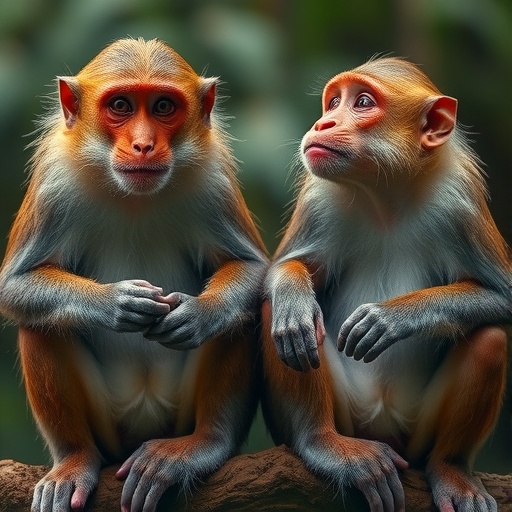
In a groundbreaking study published in the prestigious journal Archives of Sexual Behavior, researchers have delved into the intriguing realm of sexual behavior among male Toque Macaques, a fascinating species found in the lush ecosystems of Sri Lanka. This research, conducted by a dedicated team including Weerasekara, Wijesooriya, and Huffman, emphasizes the importance of understanding same-sex sexual behaviors in non-human primates, which may provide insights into the evolution of sexual orientation and social structures.
Toque Macaques, known scientifically as Macaca sinica aurifrons, inhabit the lower regions of Hanthana in Sri Lanka. The study uncovers a series of complex behavioral patterns among male macaques, signaling that same-sex interactions are more prevalent than previously understood. This discovery does not only contribute to the field of primatology but also raises profound questions about the natural occurrence of homosexual behavior in animals, a subject that has captivated researchers and the wider public alike.
The researchers meticulously observed social dynamics among Troops of Toque Macaques, employing advanced field techniques to monitor interactions over an extended period. Observations included detailed documentation of grooming behaviors and play activities, which often serve as precursors to more intimate encounters. This potential linkage highlights the multifaceted nature of macaque social behavior, where same-sex interactions play a significant role in bonding and hierarchy establishment within groups.
Interestingly, the study confirmed that these same-sex interactions often occur without the implications of reproductive strategies, challenging traditional views that tend to link sexual behavior primarily to procreation. Male macaques were seen engaging in various affectionate behaviors with each other, such as mounting and genital stimulation, suggesting that their motivations may stem from social bonding rather than reproductive outcomes.
Another significant finding of this research is the variability in same-sex behaviors across different age groups and social standings among the monkeys. Younger males demonstrated a notable inclination toward same-sex activities, which researchers posit might serve as a practice for future heterosexual engagements or as a means of establishing their social status within the troop. Moreover, social hierarchies are not static; they were observed shifting as a result of these same-sex interactions, further emphasizing the dynamic nature of macaque social structures.
The implications of this research extend beyond the boundaries of animal behavior studies. It challenges the anthropocentric perception of sexuality, urging a reconsideration of how natural behaviors are analyzed across species. By observing that male Toque Macaques readily engage in same-sex interactions, the study presents a compelling case for the inherent complexities of sexual behavior not confined to human interpretations or moral frameworks.
This research further contributes to a growing body of evidence demonstrating that same-sex behaviors are not anomalies but rather inherent aspects of animal behavior in various species. By documenting these interactions in Toque Macaques, the researchers join a wider discourse that spans numerous animal species, including other primates, dolphins, and even birds, all of which have displayed evidence of homosexual behaviors.
The study’s findings resonate with significant implications for animal conservation efforts as well. Understanding the intricate social behaviors of Toque Macaques could inform strategies that enhance their habitat and protect their social structures as they navigate increasingly fragmented environments. As the natural world faces escalating threats from human activity, recognizing the social and sexual dynamics within species becomes crucial for their survival.
As society grapples with issues surrounding sexual orientation and identity, the findings from this study may encourage a broader cultural acceptance of diverse expressions of sexuality as being rooted in biological underpinnings. Researchers are now calling for greater awareness and understanding of the natural occurence of same-sex behaviors, striving to eliminate the stigma surrounding homosexuality both in humans and across animal species.
Ultimately, the work of Weerasekara and colleagues serves as a critical reminder of the importance of observing animal behavior without preconceived biases. Their commitment to scientific rigor has yielded significant insights, shedding light on the complexities of sexual identity and behavior among non-human species.
By facilitating a deeper understanding of macaque sexual behaviors and relationships, this study not only enhances our knowledge but also opens the door for future research in primate social structures, sexual behavior, and evolutionary biology. The multidimensional approach taken by the researchers sets a precedent for future studies, encouraging an expansive view of animal behavior that transcends traditional boundaries.
In the wake of these findings, the scientific community is urged to ponder the broader implications of these behaviors on our understanding of animal rights and welfare. As we learn more about the intricate lives of animals like the Toque Macaque, it challenges us to rethink how we interact with and protect the diverse species that share our planet.
As the dialogue continues, there is substantial interest in exploring how these same-sex behaviors influence group dynamics and contribute to the overall fitness of populations. This groundbreaking research lays a strong foundation for continued exploration into the social lives of Toque Macaques, paving the way for more revelations about the intimate lives of these remarkable primates.
Subject of Research: Same-Sex Sexual Behavior in Male Toque Macaques
Article Title: Same-Sex Sexual Behavior in Male Toque Macaques (Macaca sinica aurifrons) of Lower Hanthana, Sri Lanka
Article References: Weerasekara, L.S., Wijesooriya, K., Huffman, M.A. et al. Same-Sex Sexual Behavior in Male Toque Macaques (Macaca sinica aurifrons) of Lower Hanthana, Sri Lanka. Arch Sex Behav (2026). https://doi.org/10.1007/s10508-025-03374-1
Image Credits: AI Generated
DOI: 10.1007/s10508-025-03374-1
Keywords: Toque Macaques, same-sex behavior, sexual orientation, primatology, animal behavior, Sri Lanka.


