

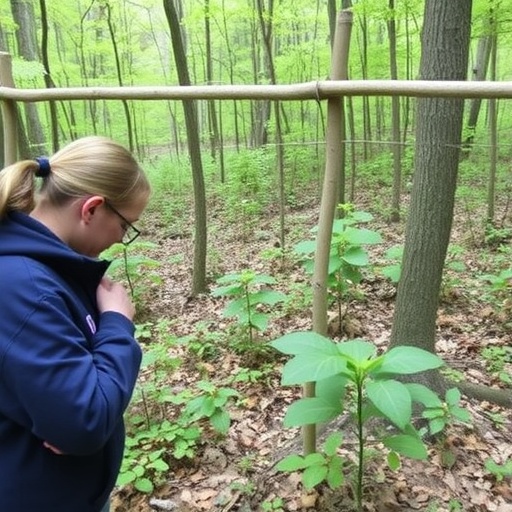
In the realm of archaeological research, a recent study has unveiled critical insights into the ecological and cultural tapestry of the Holley Shelter located in KwaZulu-Natal, South Africa. Conducted by renowned researchers Lombard, Bader, and Will, this study meticulously traces the phyto-scape and food plants that characterize this significant site, connecting past human behavior with the surrounding flora. The findings will resonate deeply with current discussions on human interaction with nature, offering a glimpse into the intimate relationship that ancient foragers maintained with their environment.
At the core of the study is a comprehensive analysis of the present-day vegetation within the Holley Shelter area. The researchers systematically cataloged a wide variety of plant species, emphasizing how these flora serve as potential food sources for both historical and contemporary human populations. This phyto-scaping approach not only enriches our understanding of local biodiversity but also poses important questions about the sustainability and conservation of these resources amidst modern environmental challenges.
The research team undertook extensive fieldwork to document the existing plant communities, identifying species that thrived in the area. This was coupled with ethnobotanical methods, drawing upon the local knowledge and practices of current inhabitants to provide context for the historical uses of these plants. What emerges is a multifaceted perspective on the interaction between ancient foragers and their landscape, suggesting that these interactions were not only essential for survival but also woven into the broader cultural narrative of the region.
Central to the findings is the idea that the foragers of the past likely had a sophisticated understanding of the local ecology. The plant species identified are not mere food sources but also play crucial roles in the ecosystem, providing habitat and sustenance for various forms of wildlife. The study highlights that the knowledge of edible plants and their uses has been passed down through generations, revealing a continuity in human relationship with the land that speaks to the importance of this connection in cultural identity and food security.
One of the standout findings of this research is the classification of food plants identified at Holley Shelter. The team’s meticulous study reveals a diverse array that includes fruits, tubers, and leafy greens, presenting a historical menu that exemplifies the nutritional variety available to foragers. These insights into the dietary practices of early humans contribute to a more nuanced understanding of their lifestyle, particularly in relation to seasonal changes and resource availability.
Moreover, the implications of this study extend beyond mere historical curiosity; they serve as a vital reminder of the importance of biodiversity for modern human populations. As societies grapple with the impacts of climate change, understanding the resilience of these ecosystems—as reflected in the dietary habits of past cultures—can inform contemporary approaches to food security and conservation efforts. The intertwining of culture and nature emerges not only as an academic inquiry but as a pressing societal concern.
The research also raises intriguing questions about the archaeological methodologies employed in studying past societies. By integrating contemporary ecological observations with historical data, the authors challenge traditional paradigms of archaeological interpretation. Instead of viewing the past as a static narrative, this study envisions a dynamic relationship between humans and their environment—a narrative that continues to evolve and inform present-day practices.
Additionally, the study illustrates the potential for future research in the area. As the authors suggest, further exploration into the relationship between local flora and ancient practices can provide deeper insights into the adaptive strategies employed by foragers. This future research avenue is ripe with potential, inviting interdisciplinary collaborations among botanists, archaeologists, and anthropologists to enrich our understanding of human evolution and environmental resource use.
Specifically, the role of indigenous knowledge in shaping land use practices is another crucial angle of this research. The findings highlight the importance of integrating traditional ecological knowledge with scientific research, showcasing how local communities can contribute valuable perspectives to conservation efforts. This blending of knowledge systems can foster more sustainable practices and stimulate dialogue on how we engage with the natural world.
Furthermore, the study’s emphasis on collaboration extends to the broader implications of archaeological research on public policy and education. As knowledge about the ecological significance of historical sites like Holley Shelter becomes more accessible, it can empower local communities to advocate for the protection of their natural heritage. By recognizing the rich history embedded in the landscape, individuals can foster a greater sense of stewardship, ensuring that these vital ecosystems are preserved for future generations.
In conclusion, the examination of Holley Shelter’s phyto-scape not only delves into the dietary habits of past foragers but also opens up a window into broader cultural and ecological conversations. The findings encourage us to rethink our relationship with nature, emphasizing the intricate connections that bind humans and their environment. As we face unprecedented global challenges, the lessons gleaned from this research may hold key insights into crafting a sustainable future—one that honors the wisdom of the past while reconciling with our contemporary world.
This study serves as a necessary reminder of the significance of archaeological research in understanding not just where we have come from, but tracing trajectories towards where we ought to head. As humanity stands at the brink of environmental transformation, reflections drawn from the Holley Shelter could guide us toward nurturing a world that values both its rich history and its ecological integrity.
Subject of Research: Phyto-scape and food plants of Holley Shelter, KwaZulu-Natal, South Africa.
Article Title: The Current Phyto-Scape and Foodplants of Holley Shelter, KwaZulu-Natal (South Africa) and Its Potential for Past Foragers.
Article References:
Lombard, M., Bader, G.D. & Will, M. The Current Phyto-Scape and Foodplants of Holley Shelter, KwaZulu-Natal (South Africa) and Its Potential for Past Foragers.
Afr Archaeol Rev 42, 125–142 (2025). https://doi.org/10.1007/s10437-024-09603-7
Image Credits: AI Generated
DOI: https://doi.org/10.1007/s10437-024-09603-7
Keywords: Ecological resilience, dietary habits, indigenous knowledge, conservation, environmental impact.


