


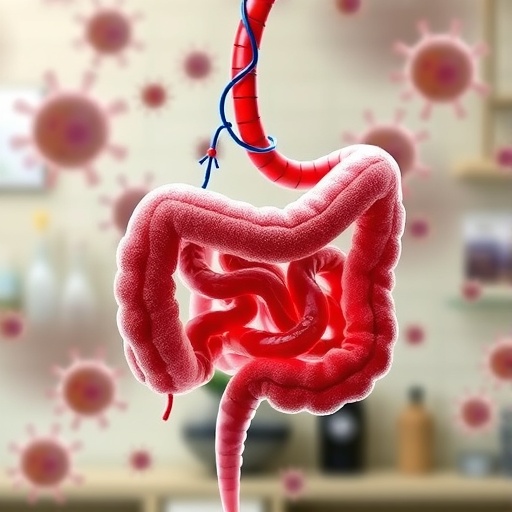
In the realm of digestive health, the microbiome has captured the scientific community’s attention for its profound impact on disease pathology. Among its key components, the gut virome—which consists of the vast array of viruses inhabiting the gastrointestinal tract—has historically been understudied compared to its bacterial counterparts. A novel study led by a team of researchers, including Wang et al., has set out to address this gap by characterizing the gut virome in patients diagnosed with nonalcoholic fatty liver disease (NAFLD). This research not only sheds light on the complex interplay between gut viruses and metabolic conditions but also raises intriguing questions about potential therapeutic avenues.
Nonalcoholic fatty liver disease, characterized by excessive fat accumulation in the liver without significant alcohol intake, has become a pressing global health issue. Affecting millions worldwide, NAFLD is often linked with obesity, type 2 diabetes, and cardiovascular diseases. Despite its prevalence, the underlying mechanisms contributing to NAFLD remain poorly understood. Wang and colleagues aim to tackle this issue by exploring the gut virome, postulating that the viral community may play a significant role in metabolic homeostasis and liver health.
To conduct their investigation, the researchers collected stool samples from a cohort of NAFLD patients, utilizing advanced sequencing technologies to elucidate the viral composition present within these samples. By deploying metagenomic sequencing, they were able to capture the rich tapestry of viral DNA and RNA species that populate the gut. This methodological approach holds the key to revealing the diverse virome and its potential interactions with the host’s metabolic pathways.
Initial findings indicated a striking contrast between the gut virome profiles of NAFLD patients compared to healthy controls. Specifically, certain viral populations were found to be significantly enriched in individuals with NAFLD, suggesting a correlation between specific viral taxa and the disease state. This data not only hints at the possibility that these viruses may influence liver pathophysiology but also raises the prospect of using viral signatures as biomarkers for disease severity or progression.
Further analysis revealed intriguing associations between the gut virome and the host’s metabolic parameters. Changes in viral diversity were correlated with various indices of metabolic dysfunction, including insulin resistance and dyslipidemia. This underlines the notion that the gut virome may have a role beyond mere microbial cohabitation; it might actively participate in the modulation of host metabolism, precipitating the development of NAFLD.
The study’s findings lend credence to the hypothesis that the gut virome can influence the gut-liver axis, a bidirectional communication pathway that plays a fundamental role in maintaining homeostasis. The alteration of viral populations in the gut of NAFLD patients may disrupt this delicate balance, potentially exacerbating liver steatosis and related inflammatory processes. Such insights could offer new perspectives on how viral infections or dysbiosis may be targeted in therapeutic interventions.
Another noteworthy aspect of this research involves the potential translational implications for NAFLD management. If specific viral markers associated with the disease can be identified, they may serve as valuable indicators for developing targeted treatments. Furthermore, modulating the gut virome through dietary interventions or probiotic therapies could emerge as a novel strategy for mitigating the impacts of NAFLD, presenting an exciting frontier in personalized medicine.
In the broader context of human health, the implications of the gut virome extend well beyond liver disease. Growing evidence suggests that the virome contributes to various conditions, including inflammatory bowel diseases and even neurological disorders. As researchers like Wang et al. delve deeper into the virome’s role in health and disease, it becomes increasingly clear that understanding viral dynamics could revolutionize therapeutic approaches across a multitude of medical fields.
While this study presents groundbreaking insights into the virome’s role in NAFLD, it is essential to acknowledge the complexities of establishing causation. Future research will undoubtedly be necessary to elucidate whether the changes observed in the gut virome are drivers of disease or merely bystanders reflecting a disrupted microbiome ecosystem. Longitudinal studies tracking viral changes over time in conjunction with metabolic assessments will be crucial in clarifying these relationships.
Furthermore, the study’s findings open numerous avenues for future inquiry. Exploring the effects of diet on the gut virome in NAFLD patients, or assessing how antiviral therapies could alter disease trajectories, are vital next steps. Such research will deepen our understanding of the virome’s role in human health and resilience, potentially leading to innovative strategies for prevention and treatment.
In conclusion, the characterization of the gut virome in patients with nonalcoholic fatty liver disease, as conducted by Wang et al., marks a significant advancement in our comprehension of liver-related conditions. This study not only enhances our understanding of the virome’s intricate links to metabolic health but also paves the way for new therapeutic paradigms in managing NAFLD. As scientists continue to uncover the complexities of the human microbiome and virome, it is clear that these microbial inhabitants wield significant influence over our health, prompting a reevaluation of how we approach treatment and prevention in the modern era.
The gut virome represents an emerging frontier in microbiome research, urging a rethinking of traditional therapeutic modalities. While studies such as this one are instrumental in laying the groundwork for future explorations, they also serve to remind us of the intricacies of human biology. As we endeavor to unravel the mysteries of our microbial companions, the potential for groundbreaking treatments and deeper insights into our health continues to expand, fostering hope for innovative strategies in combating diseases like nonalcoholic fatty liver disease.
As such, this comprehensive exploration of the gut virome holds promise not only for patients suffering from NAFLD but for the broader population, incentivizing ongoing research into the microbial influences that pervade our bodies and contribute fundamentally to our well-being.
Wang, L., Wang, L., Liu, M. et al. Characterization of the gut virome in patients with nonalcoholic fatty liver disease.
J Transl Med (2025). https://doi.org/10.1186/s12967-025-07443-w
Cite Scienmag News
Daisy Hatcher. (November 29, 2025). Exploring Gut Virome in Nonalcoholic Fatty Liver Disease. Scienmag. https://scienmag.com/exploring-gut-virome-in-nonalcoholic-fatty-liver-disease/
Daisy Hatcher. "Exploring Gut Virome in Nonalcoholic Fatty Liver Disease." Scienmag, 29 November 2025, https://scienmag.com/exploring-gut-virome-in-nonalcoholic-fatty-liver-disease/. Accessed 4 September 2026.
Daisy Hatcher. "Exploring Gut Virome in Nonalcoholic Fatty Liver Disease." Scienmag. November 29, 2025. https://scienmag.com/exploring-gut-virome-in-nonalcoholic-fatty-liver-disease/


