

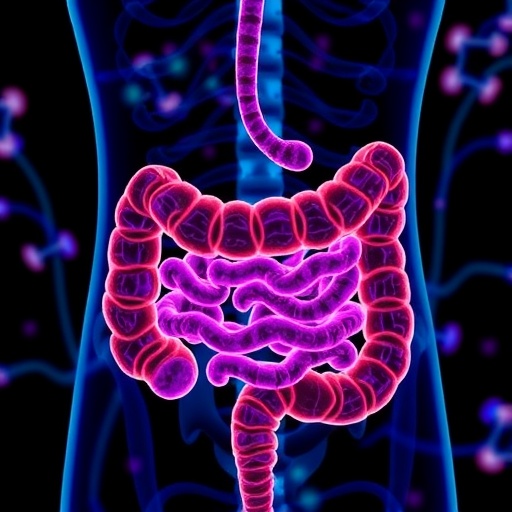
Recent advancements in the field of systems pharmacology have shed new light on the complex interplay between gut microbiota and various gastrointestinal diseases. In a groundbreaking study, researchers Oh, Park, and Kim et al. delve into the multifaceted metabolite landscape of gut microbiota, particularly focusing on prevalent conditions such as Crohn’s disease, irritable bowel syndrome (IBS), and ulcerative colitis. This comprehensive examination offers valuable insights that bridge microbiome research with pharmacological strategies, suggesting that the gut microbiome’s metabolic products may play a pivotal role in managing these chronic disorders.
The study presents a compelling argument for the potential of microbiome-targeted therapies by illustrating how metabolites produced by gut bacteria can influence host health. Metabolites, the byproducts of microbial metabolism, can interact with human cells, impacting inflammation, immune response, and even the effectiveness of pharmacological treatments. As the number of people suffering from gastrointestinal diseases continues to rise, understanding the role of gut microbiota has never been more critical.
One of the underlying themes of the research is the diversity of the gut microbiome and its metabolites. The researchers emphasize that the variation in microbial composition among individuals leads to a wide range of metabolic outputs, which may explain the differing responses to treatments seen in patients with Crohn’s disease and ulcerative colitis. This variability complicates the development of one-size-fits-all therapeutic approaches, highlighting the need for more personalized medicine strategies in treating these conditions.
Another key aspect examined in the study is the role of specific microbial metabolites, such as short-chain fatty acids (SCFAs). These compounds are produced during the fermentation of dietary fibers by gut bacteria and have been shown to possess anti-inflammatory properties. The researchers discuss how SCFAs could potentially mitigate the symptoms of Crohn’s disease and ulcerative colitis by modulating immune responses and restoring intestinal barrier function. This connection between diet, microbial metabolism, and disease underscores the importance of nutritional interventions as adjuncts to pharmacological treatment.
Moreover, the research highlights the significance of understanding how the gut microbiota influences drug metabolism. Certain metabolites can alter the pharmacokinetics and pharmacodynamics of medications used to treat gastrointestinal diseases. By investigating the metabolic pathways involving gut microbes, the researchers pave the way for the development of adjuvant therapies that enhance drug efficacy or reduce side effects. This approach could be revolutionary in improving the outcomes for patients suffering from these chronic conditions.
The implications of this research extend beyond just understanding disease mechanisms; they also touch upon preventive strategies. The findings suggest that dietary habits, lifestyle modifications, and probiotics might be employed to maintain a healthy gut microbiome and prevent the onset of gastrointestinal diseases. This proactive approach to health care could shift the focus from reactive treatment to preventive management, revolutionizing the landscape of gastroenterology.
Additionally, the study sheds light on the urgency for clinical trials that investigate microbiome-based interventions. As researchers continue to unveil the intricate relationships within the gut microbiota, the potential for innovative treatments becomes increasingly plausible. By harnessing the power of the microbiome, clinicians could offer patients more effective and personalized treatment options, moving away from standard therapies that may not work for every individual.
In conclusion, the research conducted by Oh and colleagues represents a significant leap forward in understanding the relationship between gut microbiota and gastrointestinal diseases. It opens up new avenues for exploration in microbiome sciences, pharmacology, and personalized medicine. As the field evolves, the integration of microbiome insights with traditional treatment approaches may well become a standard practice in managing Crohn’s disease, IBS, and ulcerative colitis. This study not only contributes to scientific knowledge but also holds promise for future therapeutic advancements.
Groundbreaking research in gut microbiota emphasizes the intricate relationship between our microbiome and overall health. As we uncover the metabolite landscape, young researchers are encouraged to explore this field, given its potential impact on understanding and treating various diseases. The study by Oh et al. serves as a compelling example, indicating that further exploration could lead to transformative solutions for patients suffering from chronic gastrointestinal issues. By pursuing this path, one may contribute to a brighter future in gastroenterology and beyond.
As the field of systems pharmacology continues to grow, the insights from this research may well reshape our understanding of disease management. There is a call to action for the scientific community to pay closer attention to the metabolic outputs of gut microbiota. This is essential not only for developing effective therapies but also for optimizing existing ones. Through collaboration among microbiologists, pharmacologists, and clinicians, we can foster a more unified approach to treating gastrointestinal diseases, enhancing patient care across the board.
The fusion of microbiome research with pharmacology offers an exciting frontier laden with possibilities. As we continue to investigate the metabolite landscape of the gut, we may discover new biomarkers related to disease states, enabling better diagnostics and treatment efficacy. The future of personalized medicine will undoubtedly involve customizing therapies based on a patient’s unique microbiome and its metabolic activities. As findings from studies like this one circulate through the scientific community, the hope is to see faster translation of these insights into clinical practice, improving the lives of those affected by chronic gastrointestinal diseases.
A bridge is forming between microbiome research and pharmacotherapy, one that has the potential to solve longstanding medical mysteries. With the groundwork laid by Oh, Park, and Kim et al., the future of gastrointestinal treatment may hinge upon the metabolites produced by our very own gut bacteria. As we seek to understand these relationships further, it becomes clear that addressing only the symptoms of diseases like Crohn’s or ulcerative colitis is not enough; we must also cultivate a healthy microbiome to pave the way for sustainable health improvements.
Subject of Research: The multifaceted metabolite landscape of gut microbiota related to Crohn’s disease, irritable bowel syndrome, and ulcerative colitis.
Article Title: The multifaceted metabolite landscape of gut microbiota: systems pharmacology insights into Crohn’s disease, irritable bowel disease, and ulcerative colitis.
Article References:
Oh, KK., Park, J.H., Kim, M.J. et al. The multifaceted metabolite landscape of gut microbiota: systems pharmacology insights into Crohn’s disease, irritable bowel disease, and ulcerative colitis.
Mol Divers (2026). https://doi.org/10.1007/s11030-025-11457-3
Image Credits: AI Generated
DOI: https://doi.org/10.1007/s11030-025-11457-3
Keywords: Gut microbiota, metabolite landscape, systems pharmacology, Crohn’s disease, irritable bowel syndrome, ulcerative colitis.


