

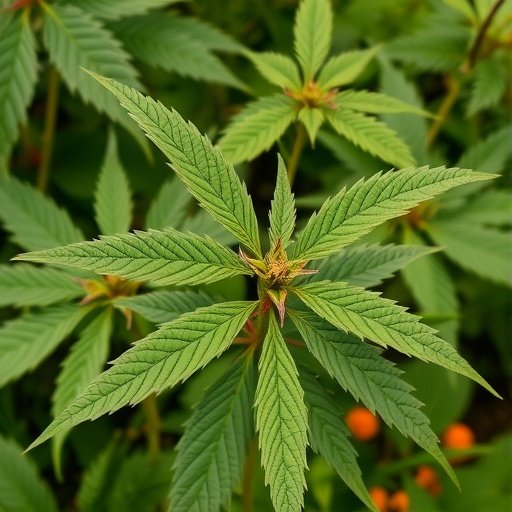
The Southern African cannabis sector has been gradually gaining momentum as the global perception of cannabis shifts and the legalization of cannabis use increases. Recent research conducted by a team led by Mhuru et al. provides critical insights into the diversity of key cannabinoids and the nutritional compounds found in cannabis seeds. This study is timely, considering the rising interest in cannabis for both medicinal and recreational purposes. Reported findings shed light on the various quantification methods applicable to these compounds, outlining their potential impacts on the burgeoning market in Southern Africa.
Cannabinoids are the active chemical constituents of cannabis, with THC and CBD being the most widely known. However, the cannabis plant produces numerous additional cannabinoids that could hold various therapeutic benefits. The intricacies of cannabinoid variation within different cannabis strains make it a fascinating subject of study. The research reveals that there is an astonishing diversity of cannabinoid profiles across various cannabis cultivars grown in Southern Africa. This indicates the potential for breeding programs aimed at enhancing particular traits, such as cannabinoid potency or specific health benefits.
In addition to cannabinoids, cannabis seeds are also a rich source of nutritional compounds including proteins, lipids, and essential amino acids. This research emphasizes the importance of these nutritional compounds, particularly given the increasing interest in plant-based diets and sustainable food sources. Utilizing cannabis seeds as a source of nutrition could contribute positively to food security in Southern Africa, an area often affected by food shortages and malnutrition. This multifaceted approach highlights how the cannabis plant can serve both medicinal and nutritional roles.
A careful examination of the quantification methods employed in the study reveals their complexities and the need for precision in analytical procedures. Various techniques such as High-Performance Liquid Chromatography (HPLC), Gas Chromatography (GC), and Mass Spectrometry (MS) are discussed in-depth in the article, illustrating how each method contributes to a better understanding of cannabinoid concentrations and profiles. These scientific methods are crucial for establishing reliable data that can inform both consumers and producers in the cannabis industry.
Moreover, the study provides a comprehensive analysis of the regulatory landscape surrounding cannabis in Southern Africa. With countries like South Africa leading the way, the legalization of cannabis not only opens up commercial avenues but also fosters scientific research and innovation. Understanding the legal framework plays an essential role in shaping the future of the industry. This research underscores the responsibilities that come with legalization, emphasizing the need for responsible breeding, production, and marketing practices to ensure the benefits of cannabis are fully harnessed.
One of the fascinating aspects of the study is its discussion on the potential health benefits of various cannabinoids, particularly their anti-inflammatory and analgesic properties. Cannabidiol (CBD), for example, has been widely acknowledged for its therapeutic applications in treating pain, epilepsy, and anxiety. By exploring the diversity of cannabinoids, the researchers offer possibilities for new treatment avenues, potentially leading to improved patient outcomes in Southern Africa and beyond.
Furthermore, the research touches upon the environmental considerations associated with cannabis cultivation. As interest in not only the health benefits but also sustainable agricultural practices increases, the findings highlight the need for environmentally conscious approaches in cannabis farming. Sustainable practices can lead to healthier plants and a more resilient ecosystem, thus providing a solid foundation for the future of the cannabis sector.
While the focus of the study is predominantly on the scientific and nutritional aspects of cannabis, it also opens the door for socio-economic discussions. The potential for cannabis cultivation to create jobs, stimulate local economies, and contribute to export markets is significant. As more individuals turn towards entrepreneurial ventures within the cannabis sector, there lies an opportunity to transform economies, particularly in regions that have historically faced economic hardships.
The collaborative nature of this research also deserves recognition. Multidisciplinary teams involving botanists, chemists, and nutritionists provide a richer understanding of cannabis and its derivatives. Future studies that adopt this integrative approach could lead to even more groundbreaking insights, contributing significantly to the evolving narrative of cannabis as a beneficial plant.
As the cannabis industry continues to expand, consumer education will play a pivotal role. The findings from Mhuru et al. highlight the necessity of informed decision-making for both consumers and producers when it comes to selecting cannabis strains, products, and methods of consumption. By disseminating this knowledge, stakeholders can achieve a balance between innovation, safety, and efficacy, thereby ensuring consumer trust and satisfaction.
In summary, the study by Mhuru and colleagues delves deep into the multiple dimensions of cannabis cultivation in Southern Africa, underscoring its potential as a valuable agricultural product. It highlights the diversification of cannabinoids and the nutritional benefits of cannabis seeds while outlining the analytical methodologies essential for their quantification. The implications of this research extend far beyond mere agricultural practice; they encompass health, economics, and environmental stewardship, paving the way for a well-rounded understanding of cannabis in the modern world.
As the Southern African cannabis sector continues to develop, future research will be vital in addressing emerging challenges and opportunities. The findings set forth by Mhuru et al. grace us with a roadmap for harnessing the full potential of cannabis, ensuring that its benefits can be realized sustainably and equitably for all.
Subject of Research: Diversity of key cannabinoids and seed nutritional compounds in the Southern African cannabis sector.
Article Title: Diversity of key cannabinoids, seed nutritional compounds and their quantification methods in the upcoming Southern African cannabis sector.
Article References:
Mhuru, E.W., Tsakali, E., Manjeru, P. et al. Diversity of key cannabinoids, seed nutritional compounds and their quantification methods in the upcoming Southern African cannabis sector. Discov. Plants 2, 344 (2025). https://doi.org/10.1007/s44372-025-00438-3
Image Credits: AI Generated
DOI: https://doi.org/10.1007/s44372-025-00438-3
Keywords: Cannabis, Cannabinoids, Nutritional compounds, Southern Africa, Quantification methods, HPLC, GC, MS, Legalization, Economic impact, Sustainable agriculture.


