


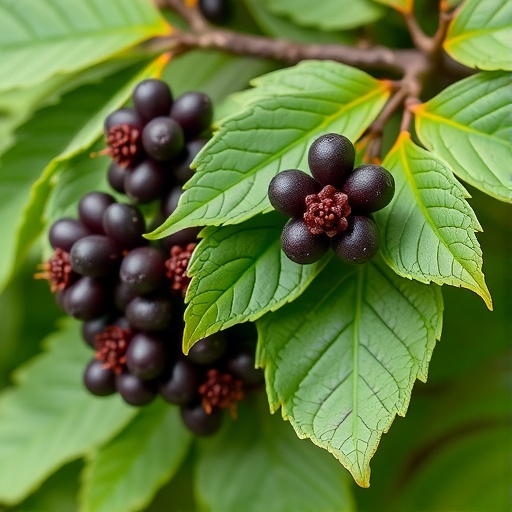
In recent years, the rich and diverse world of phytochemistry has gained significant attention, exploring the multitude of compounds found in plants and their potential applications in health and wellness. The spotlight has shifted towards Ceratonia siliqua, commonly known as carob, a plant that has been utilized for centuries due to its nutritional and medicinal properties. A recent study by Laaraj et al. delves deeply into the phytochemical characterization of wild Ceratonia siliqua leaves, unveiling a spectrum of biological activities that may have profound implications for the fields of medicine and health.
This groundbreaking research has indicated that Ceratonia siliqua leaves are not merely remnants of the past but are laden with a myriad of phytochemicals that possess potent biological activities. The study highlights the antioxidant properties of these leaves, showcasing their ability to combat oxidative stress—a major contributor to numerous chronic diseases, including cancer and heart disease. By neutralizing free radicals, the antioxidants found in these leaves can potentially play a pivotal role in preventing cell damage and promoting longevity.
Additionally, the antibacterial effects of Ceratonia siliqua leaves were examined, revealing a robust action against various pathogenic bacteria. This antimicrobial activity, attributed to the leaf’s phytochemical composition, positions Ceratonia siliqua as a promising candidate for natural antibacterial agents. With the rise of antibiotic resistance, the need for alternative treatments has never been more urgent, and this research may pave the way for developing new, plant-based medicines that can be employed in clinical settings.
Moreover, the study does not shy away from exploring the cytotoxic effects of Ceratonia siliqua leaves. The findings suggest that specific compounds within the leaves can selectively induce apoptosis in cancer cells, making them an attractive area of study for cancer therapeutics. The biocompatibility of these compounds, coupled with their ability to target tumor cells, could lead to innovative treatments that minimize harm to surrounding healthy tissues, a significant advancement in oncology.
Through meticulous examination of the phytochemical profile of Ceratonia siliqua leaves, the researchers identified flavonoids, tannins, and phenolic acids among its primary constituents. These compounds have been well-documented for their health benefits, reinforcing the notion that nature often provides us with solutions to some of humanity’s most pressing health challenges. The presence of these bioactive compounds underlines the importance of integrating traditional knowledge with modern science to harness the full potential of medicinal plants.
Further investigations in the study involved the bioavailability of the active compounds found within the leaves. Understanding how these compounds are absorbed, distributed, metabolized, and excreted in the human body is crucial for their potential application in therapeutics. The authors emphasized that future studies should aim to explore the pharmacokinetics of these phytochemicals to provide a comprehensive understanding of their health impacts.
In addition to the scientific findings, the paper serves as a clarion call to reevaluate our relationship with wild plants like Ceratonia siliqua. In a world dominated by synthetic medicines, there is a paradigm shift towards natural remedies— a trend that advocates for a return to nature as a source of healing. This research not only adds to the growing body of knowledge regarding plant-based compounds but also encourages sustainable practices and the importance of biodiversity in medicine.
The implications of this study could extend beyond human health, touching on agricultural benefits as well. Farmers and agricultural scientists may find the antimicrobial properties of Ceratonia siliqua leaves useful in developing eco-friendly pest management strategies. By employing natural plant compounds instead of chemical pesticides, we can protect not only our crops but also the delicate ecosystem that sustains them.
Ultimately, Laaraj et al.’s research adds a layer of hope in the quest for sustainable and effective health solutions. As scientists continue to unlock the secrets of traditional plants, the integration of ancient wisdom with contemporary scientific research may yield groundbreaking results that can enhance both human health and environmental sustainability.
Looking forward, the authors suggest a multi-disciplinary approach to further investigate the full scope of the benefits associated with Ceratonia siliqua. By collaborating with pharmacologists, toxicologists, and environmental scientists, future studies can broaden our understanding of how this remarkable plant can be used in various domains—from medicine to agriculture.
As we continue to unravel the complex relationship between phytochemicals and health, studies like this one are crucial. They remind us that our understanding of natural products is still in its infancy and that we have much more to learn. The wealth of possibilities lying within the humble Ceratonia siliqua not only provides a glimpse into potential future therapies but also reinforces a deeper appreciation for the natural world that may contribute to our overall well-being.
The relevance of such studies extends far beyond academia; it invites the public to become more educated about the potential of natural compounds and their role in health and wellness. The age-old wisdom of traditional medicine is being validated through modern science, paving the way for the revival of ancient practices in contemporary therapeutic settings. As these findings are disseminated, they can help reshape public perception about the role of plants in our lives.
To conclude, the work of Laaraj et al. represents a significant step forward in phytochemical research. It unveils the potential of Ceratonia siliqua leaves in promoting health through their rich bioactive compounds, fostering a renewed interest in the exploration of natural remedies, and reinforcing the importance of conservation and respect towards our natural ecosystems. This kind of integrative research may not only result in innovative therapeutic approaches but also catalyze a cultural shift towards embracing nature’s profound wisdom.
Cite Scienmag News
Denise Maddox. (December 18, 2025). Exploring Antioxidant and Antibacterial Properties of Wild Carob Leaves. Scienmag. https://scienmag.com/exploring-antioxidant-and-antibacterial-properties-of-wild-carob-leaves/
Denise Maddox. "Exploring Antioxidant and Antibacterial Properties of Wild Carob Leaves." Scienmag, 18 December 2025, https://scienmag.com/exploring-antioxidant-and-antibacterial-properties-of-wild-carob-leaves/. Accessed 5 September 2026.
Denise Maddox. "Exploring Antioxidant and Antibacterial Properties of Wild Carob Leaves." Scienmag. December 18, 2025. https://scienmag.com/exploring-antioxidant-and-antibacterial-properties-of-wild-carob-leaves/


