


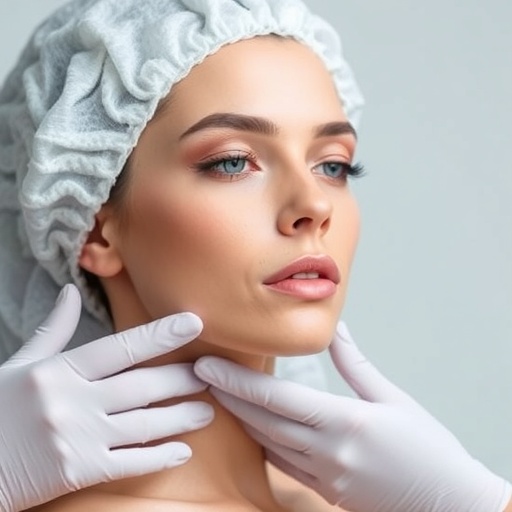
The rapidly expanding global market for cosmetic procedures has triggered urgent calls for tighter regulation and enhanced consumer protection to safeguard patient safety and curb the growing trend of cosmetic tourism. Experts publishing in The BMJ highlight that with cosmetic interventions projected to generate revenues exceeding $180 billion by 2033, the urgency for standardized oversight has never been greater.
Invasive cosmetic procedures, which require the insertion of instruments or equipment into the body—such as abdominoplasty (tummy tucks) and breast augmentation—have long been distinguished from their non-surgical counterparts, including Botox and dermal fillers. However, this line is growing increasingly blurred as non-surgical interventions advance in complexity and invasiveness, complicating their regulatory categorization and risk profiles.
While fatal outcomes remain rare, emerging evidence warns of a disturbing rise in adverse events linked particularly to cosmetic treatments performed abroad. These complications underscore the multifaceted risks inherent not only in surgical procedures but also in minimally invasive techniques that are often perceived as safer by patients.
Botulinum toxin injections, widely popular for their ability to temporarily reduce facial wrinkles, have been associated with a broad spectrum of side effects. These range from localized inflammation, anxiety, and dry eyes, to more severe consequences including visual disturbances and peripheral nerve damage, revealing the necessity for administration by trained professionals.
Complications following surgical procedures such as breast augmentation and abdominoplasty present a more overt clinical challenge. Surgeons report frequent occurrences of wound dehiscence, infections, and seromas—accumulations of fluid beneath the skin—that adversely impact both patient recovery and healthcare costs.
Financial analyses estimate that resultant expenditures imposed on healthcare systems like the NHS are substantial but likely underestimated due to a lack of comprehensive data collection. Critically, the absence of a centralized UK-wide reporting system for adverse events related to private cosmetic procedures further obfuscates the magnitude of harm and impairs efforts to improve safety standards.
Despite government proposals aimed at regulating unlicensed non-surgical cosmetic practices, progress remains sluggish. Significant regulatory loopholes persist, threatening patient welfare and undermining the credibility of cosmetic medicine as a whole. This inertia raises questions about policy prioritization in the face of increasing market demand and patient risk.
Several international models provide valuable blueprints for reform. Australia, for example, has adopted stringent measures encompassing mandatory training, certification, and monitoring of practitioners performing high-risk cosmetic interventions. Such frameworks seek to limit invasive procedures strictly to qualified healthcare professionals, ensuring both expertise and accountability.
The call for harmonized regulation across the four nations of the UK is emphasized, advocating for standardized qualifications, rigorous oversight, and unified guidelines that comprehensively address both surgical and non-surgical high-risk procedures. This strategy aims to eliminate inconsistencies that currently jeopardize patient safety.
An integrated set of guidelines on non-surgical cosmetic treatments is urgently needed. These should codify standards for practitioner training, patient assessment, informed consent, and follow-up care. Such protocols would embed best practices and promote transparency, thereby fostering greater patient confidence and minimizing procedural complications.
Beyond regulatory frameworks, broader public health interventions are crucial. Educational campaigns focusing on realistic expectations, procedural risks, and the importance of practitioner credentials must be amplified. Additionally, stricter advertising regulations and accredited practitioner registers could serve to shield consumers from misleading information and unsafe practices.
The growing phenomenon of cosmetic tourism—where patients travel abroad seeking cheaper or novel cosmetic treatments—poses additional challenges. Without adequate international regulatory alignment, patients exposed to substandard care abroad face heightened risks, while domestic health systems bear the burden of treating complications upon their return.
In conclusion, the boom in cosmetic procedures necessitates urgent multifaceted responses that encompass legal regulation, professional accreditation, patient education, and international cooperation. Only through cohesive and comprehensive strategies can the cosmetic industry safeguard patient well-being and stem the tide of preventable harms associated with this lucrative, yet risky, market.
Cite Scienmag News
Courtney Benton. (March 12, 2026). Experts Call for Stricter Regulation of Cosmetic Procedures to Minimize Harm. Scienmag. https://scienmag.com/experts-call-for-stricter-regulation-of-cosmetic-procedures-to-minimize-harm/
Courtney Benton. "Experts Call for Stricter Regulation of Cosmetic Procedures to Minimize Harm." Scienmag, 12 March 2026, https://scienmag.com/experts-call-for-stricter-regulation-of-cosmetic-procedures-to-minimize-harm/. Accessed 3 September 2026.
Courtney Benton. "Experts Call for Stricter Regulation of Cosmetic Procedures to Minimize Harm." Scienmag. March 12, 2026. https://scienmag.com/experts-call-for-stricter-regulation-of-cosmetic-procedures-to-minimize-harm/


