

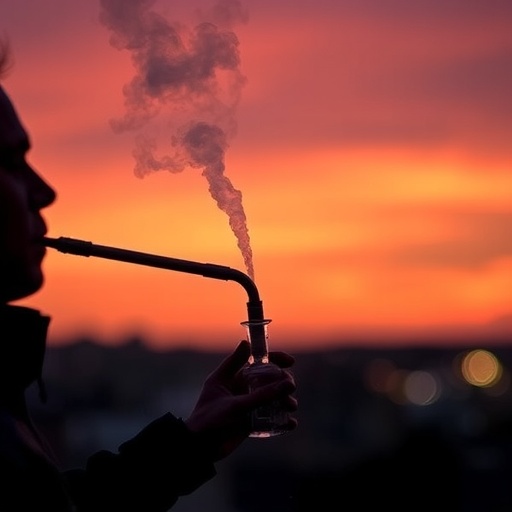
In recent years, waterpipe tobacco smoking—variously known as shisha, hookah, or narghile—has captivated a growing global audience, particularly among younger demographics. Originating in the Middle East during the late Middle Ages, this method involves heating tobacco using charcoal, after which the smoke is drawn through water for cooling and filtration before inhalation. While many perceive waterpipe use as a safer or more socially acceptable alternative to cigarette smoking, emerging evidence underscores a grave and often underestimated risk: acute carbon monoxide (CO) poisoning.
Carbon monoxide is a colorless, odorless gas produced primarily through the incomplete combustion of carbon-containing fuels. In the context of waterpipe smoking, the charcoal ignited to heat the tobacco is the chief CO source. Upon combustion, the charcoal releases CO into the smoke mixture that passes through the water and is subsequently inhaled. The water filtration, though often credited with reducing toxins, does not mitigate CO exposure. When inhaled, CO avidly binds to hemoglobin—forming carboxyhemoglobin—thereby dramatically reducing oxygen delivery to body tissues and precipitating hypoxic injury.
A comprehensive systematic review led by a research team in Tsukuba, Japan, delved into the global incidence of acute carbon monoxide poisoning specifically linked to waterpipe smoking. This review synthesized data gleaned from six extensive academic databases, focusing on case reports and case series documented worldwide. The analysis revealed a total of 68 cases dispersed across various user categories and contexts, painting a compelling portrait of the hidden dangers underlying this seemingly innocuous social practice.
Of the 68 documented instances, 41 involved individual active waterpipe users experiencing CO poisoning symptoms directly attributable to their smoking. Another 23 cases represented clustered outbreaks, where multiple individuals—occasionally up to a dozen—were simultaneously affected during indoor waterpipe sessions. These cluster events typically occurred in confined spaces lacking appropriate ventilation, exacerbating CO accumulation. Intriguingly, two cases cataloged involved nonusers exposed to secondhand smoke within such environments, and an additional two cases were reported among employees working in waterpipe cafés, highlighting occupational hazard dimensions.
The clinical presentation of acute carbon monoxide poisoning following waterpipe use is notably variable, ranging from mild to severe neurological and systemic manifestations. The most frequently observed symptom across reported cases was syncope, or transient loss of consciousness, occurring in just over half of those affected. This was closely followed by persistent headaches and lethargy, along with gastrointestinal disturbances such as nausea and vomiting. Less common but clinically significant symptoms included weakness, tremors, visual impairment, and seizures, reflecting the diverse neurological insult that CO can inflict.
Perhaps most alarmingly, the temporal pattern of symptom onset challenges common assumptions about risk related to waterpipe use. Approximately 25% of poisoning cases developed symptoms only after individuals had departed the smoking venue, indicating that delayed onset and progression of CO toxicity is a clinical reality. Moreover, one-fifth of cases occurred after less than one hour of waterpipe exposure, refuting the misconception that only prolonged sessions pose risk. Even outdoor usage, historically regarded as safer, accounted for about 20% of poisoning instances, underscoring that open-air environments do not guarantee protection against CO exposure.
Beyond acute toxicity, the review uncovered 13 cases of polycythemia—an abnormal increase in red blood cells and hemoglobin concentration—as a chronic sequela stemming from recurrent CO inhalation. Polycythemia represents the body’s compensatory response to sustained hypoxia, triggered by chronic CO-mediated impairment of oxygen delivery. Most affected individuals in this category were daily waterpipe users, illustrating the insidious cumulative damage wrought by habitual exposure. This finding carries important implications for cardiovascular health, given that polycythemia can contribute to increased blood viscosity and elevated risks of thrombosis.
The Tsukuba study’s revelations emphasize a critical public health concern often overshadowed by the popularity and perceived social safety of waterpipe smoking. The occurrence of severe CO poisoning incidents in environments regarded as “low-risk” — including brief sessions, outdoor gatherings, and secondhand exposure in indoor spaces — dismantles narratives that minimize potential harms. This emergent epidemiological data underscores the urgency of disseminating targeted awareness campaigns directed at users, employees, and venue operators.
Practical interventions must address the environmental and behavioral dimensions that govern CO exposure. Indoors, particularly in commercial waterpipe establishments, the installation of functional carbon monoxide monitors is indispensable. Such devices provide real-time alerts enabling swift remediation of unsafe conditions. Alongside monitoring, the design and management of appropriate ventilation systems capable of expelling combustion gases and replenishing fresh air are critical. Failure to implement these engineering controls not only endangers patrons but also exposes employees to preventable occupational hazards.
Furthermore, the data implores regulatory oversight that incorporates safety standards and education tailored to waterpipe use. Public health agencies should collaborate with community leaders to craft outreach programs illuminating the risks of CO poisoning and the clinical signs necessitating immediate medical attention. The recognition of early symptoms such as headache, dizziness, and nausea as potential CO toxicity manifestations can prompt timely intervention, reducing morbidity and preventing fatalities.
From a clinical perspective, emergency medical personnel must maintain heightened vigilance for CO poisoning in patients presenting with neurological or systemic symptoms following waterpipe usage. Given the variable latency of symptom emergence, patient history probes should include recent waterpipe activity, particularly when presenting complaints are nonspecific. Pulse CO-oximetry and blood carboxyhemoglobin measurements remain essential diagnostic tools, guiding therapeutic strategies such as oxygen administration or hyperbaric oxygen therapy.
The dramatic clustering of poisoning events in enclosed venues serves as a sobering reminder of the deadly consequences of neglecting indoor air quality in recreational spaces. Beyond immediate medical emergencies, chronic exposure risks such as polycythemia highlight a spectrum of waterpipe-associated morbidities that require longitudinal attention. As the global prevalence of waterpipe smoking continues to rise, especially among adolescents and young adults, the imperatives for intensified research, preventive policy implementation, and public education become increasingly pressing.
In capturing a nuanced portrait of waterpipe smoking and its unseen perils, this recent review constitutes a pivotal advance in environmental health knowledge. It harnesses artificial intelligence to weave disparate case reports into a coherent narrative that exposes the multidimensional hazards of carbon monoxide toxicity. The findings call for an active reframing of waterpipe smoking from a benign cultural practice to a recognized public health threat demanding collaborative action across sectors.
Ultimately, safeguarding individuals from carbon monoxide poisoning in the context of waterpipe smoking necessitates integrating scientific insights with practical health interventions. Through evidence-based guidelines, technology integration, informed public discourse, and vigilant clinical care, it is possible to mitigate the risks posed by this hazardous tradition. As this study illuminates the hidden dangers lurking behind the smoke, the challenge now lies in translating knowledge into effective prevention and protection.
Subject of Research: Carbon monoxide poisoning and polycythemia associated with waterpipe tobacco smoking
Article Title: Behavioral and Environmental Factors of Carbon Monoxide Poisoning and Polycythemia due to Waterpipe Smoking: An Artificial Intelligence-Assisted Systematic Review of Case Reports
News Publication Date: February 20, 2026
Web References:
https://doi.org/10.31662/jmaj.2025-0208
Keywords: Carbon monoxide poisoning, waterpipe smoking, hookah, shisha, polycythemia, environmental health, public health, emergency medicine, respiratory toxins, indoor air quality


