

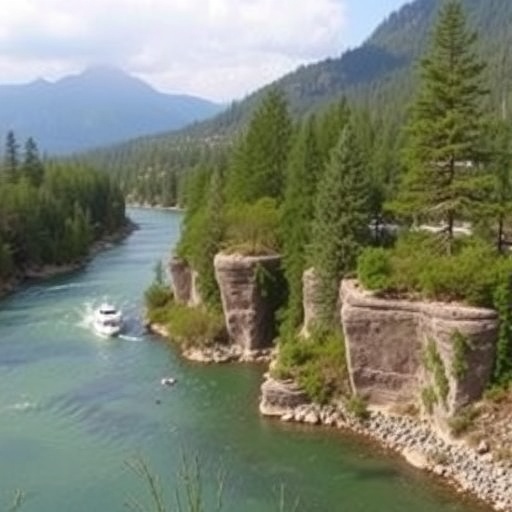
In recent years, the burgeoning climate crisis has catalyzed a plethora of environmental studies aimed at identifying the impacts of extreme weather phenomena on local ecosystems. Among these studies is an essential analysis conducted by Kakavas, Faraslis, Awad, and their colleagues, which meticulously examines the ramifications of flooding on the Pineios River Basin in Thessaly, Greece. The research, titled “Assessment of water pollution and environmental impacts in the Pineios river basin before and after extreme flood events in Thessaly, Greece,” delves deep into the complexities of water pollution exacerbated by flooding, revealing critical insights into the state of the environment during and after such catastrophic events.
The Pineios River, the longest river in Thessaly, Greece, is a vital watercourse that supports agriculture, biodiversity, and local communities. However, its health is increasingly threatened by climatic shifts and the escalation of extreme weather events. The researchers acknowledge that understanding the impact of these floods on water quality is essential for developing appropriate mitigation strategies and improving community resilience. The study’s findings are particularly crucial as they highlight the need for proactive environmental monitoring and management practices to safeguard this integral waterway.
Utilizing a combination of field studies and laboratory analyses, the team collected samples from various points along the Pineios River before and after major flooding events. Their comprehensive methodology allowed them to assess the levels of pollutants present in the water, including heavy metals, nutrients, and pathogens, which are suspected of rising sharply during flooding incidents. This rigorous approach ensured that the data collected would provide a factual basis for understanding the dynamic nature of water quality in response to extreme weather.
Among the findings reported, the research indicated a significant increase in chemical pollutants in the river’s waters post-flooding. The analysis revealed elevated concentrations of nitrates and phosphates, likely originating from agricultural runoff, which intensified amidst flooding conditions. These nutrient loads can lead to detrimental effects on aquatic ecosystems, including algal blooms that deplete oxygen levels and disrupt the natural habitat. The researchers underline the importance of implementing better agricultural practices in the surrounding areas to mitigate this pollution source.
Moreover, heavy metals such as lead, cadmium, and mercury were scrutinized as part of the study, as they pose severe risks to both human health and aquatic life. The floodwaters, which have been in contact with contaminated soils and industrial areas, facilitated the re-suspension of these toxic substances, leading them to infiltrate the river’s ecosystem. The results of such findings emphasize an urgent need for regulatory frameworks capable of addressing industrial discharges and soil remediation in flood-prone regions.
The environmental impact of flooding extends beyond mere contamination of water; it also disrupts the livelihood of communities dependent on the river. Fishermen and farmers are among the first to feel the repercussions, as diminished water quality leads to diminished fish stocks and reduced agricultural viability. This research shines a light on the socio-economic implications of flooding, underscoring how environmental degradation can exacerbate existing vulnerabilities in local populations. It creates a cycle of hardship that calls for an integrative approach to environmental management and community support.
In addition to the immediate effects of flooding, the long-term consequences for biodiversity in the Pineios River Basin cannot be overlooked. The researchers noted a decline in certain fish populations correlating with flooding events, attributed to both pollution and habitat destruction. Ecosystems, particularly freshwater ones, are incredibly sensitive to changes in their environment, making them susceptible to the cascading effects of pollution and habitat loss. Preserving biodiversity in such vulnerable settings is paramount, necessitating concerted conservation efforts that can adapt to changing flood patterns.
The study further emphasizes the critical role of community involvement in environmental stewardship. The researchers advocate for greater public engagement in monitoring water quality and supporting local conservation initiatives. By fostering a culture of environmental responsibility and awareness, communities can play a vital role in protecting their natural resources. This participatory approach ensures that the voices of local stakeholders are encompassed in decision-making processes, leading to more effective and inclusive conservation strategies.
In conclusion, the research by Kakavas et al. serves as a wake-up call about the imminent threats posed by climate change and extreme weather to vital water resources like the Pineios River. The increased water pollution and environmental impacts documented in this study underline the urgency for comprehensive environmental management legislation that integrates scientific research with public policy. Without such measures, the future health of the Pineios River Basin, as well as the well-being of its dependent communities, remains precarious.
In synthesizing these critical findings, we are reminded of the interconnectedness of environmental systems, human health, and socio-economic stability. Addressing these challenges is not only an ecological imperative but a moral one—ensuring clean water access and a sustainable environment for future generations. The insights gleaned from this investigation into the Pineios River should serve as a crucial resource for policymakers, conservationists, and local communities alike as they navigate the complexities brought about by a changing climate.
By foregrounding community engagement, scientific inquiry, and policy adaptation, the research provides a blueprint for addressing water pollution in contexts influenced by the unpredictability of extreme weather. It encourages a holistic understanding of environmental health that transcends disciplinary boundaries, marrying ecological science with public health and socio-economic considerations.
Ultimately, the knowledge derived from this pivotal study enriches our understanding of flood dynamics and their multifaceted implications, fostering a collective commitment toward safeguarding vital water resources in the face of climate uncertainty.
Subject of Research: Water pollution and environmental impacts in the Pineios River Basin during extreme flood events.
Article Title: Assessment of water pollution and environmental impacts in the Pineios river basin before and after extreme flood events in Thessaly, Greece.
Article References: Kakavas, K., Faraslis, I., Awad, R. et al. Assessment of water pollution and environmental impacts in the Pineios river basin before and after extreme flood events in Thessaly, Greece. Environ Sci Pollut Res (2025). https://doi.org/10.1007/s11356-025-37219-0
Image Credits: AI Generated
DOI: https://doi.org/10.1007/s11356-025-37219-0
Keywords: Water pollution, environmental impact, extreme weather, flooding, Pineios River, Thessaly, Greece.


