


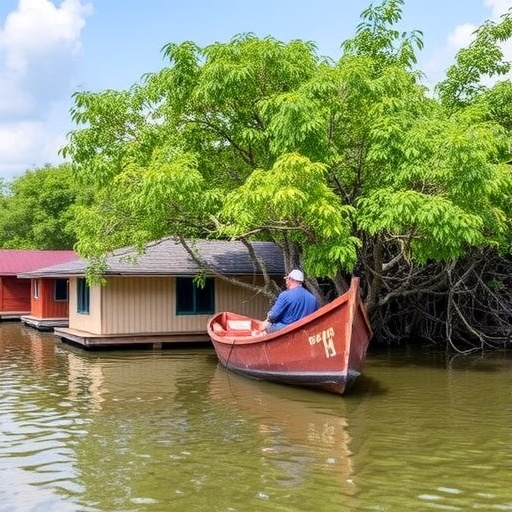
In an era of rapid industrialization and environmental awareness, understanding the extent of heavy metal contamination in natural ecosystems is more critical than ever. Recent research conducted in the Klang Mangrove area of Pulau Indah, Malaysia, has spotlighted the alarming levels of heavy metal presence in sediment samples. This not only poses immediate ecological risks but also raises concerns about the long-term sustainability of local communities reliant on these mangrove ecosystems. The findings revealed a troubling intersection of environmental degradation and public health, urging stakeholders to take decisive actions towards remediation and sustainable practices.
Mangroves are often referred to as the lungs of coastal ecosystems. They play a vital role in maintaining ecological balance by providing habitat for diverse species, protecting coastlines from erosion, and serving as natural filters for pollutants. However, the presence of heavy metals such as lead, cadmium, and mercury in sediment samples from Klang’s mangroves signifies a pressing issue. These metals can accumulate in the food chain, posing severe risks to wildlife and humans alike. The research team, comprising Rahman, Zuki, and Abdullah, meticulously assessed the sediment quality, focusing on the concentrations of these hazardous metals.
One of the core objectives of the study was to evaluate the ecological risks associated with heavy metal contamination in the Klang Mangrove sediments. The researchers employed a variety of sampling methodologies to collect sediment samples from various locations within the mangrove ecosystem. Through rigorous laboratory analyses, they measured the concentrations of heavy metals, comparing these levels to established environmental quality guidelines. The findings revealed not only concerning levels of contamination but also highlighted geographical areas particularly afflicted by pollution, underscoring the necessity of targeted interventions.
The ecological consequences of heavy metal contamination can be dire. As metals persist in the environment, they can adversely affect biodiversity, reproductive rates of aquatic organisms, and overall ecosystem functionality. Mangrove areas serve as critical nurseries for many fish species, and contamination can hinder their development, leading to declines in fish populations that local communities rely on for sustenance and economic activities. This presents a dual challenge—addressing the ecological health of these mangroves while also safeguarding the livelihoods of those dependent on them.
The study incorporated sophisticated assessment techniques to evaluate the ecological risk levels associated with the heavy metal concentrations found in the sediments. Using bioaccumulation factors and comparing them against toxicity values, the researchers were able to estimate the risk posed to local organisms by sediment-bound pollutants. This quantitative approach not only highlights the immediate dangers but serves as an alarming reminder that unmanaged pollution can have long-lasting implications for environmental health and community resilience.
One of the most pressing concerns raised by the study’s findings is the potential impact on public health. Heavy metals are known to be neurotoxic and can cause various health problems, particularly in vulnerable populations such as children and the elderly. The consumption of contaminated fish and other marine resources poses a direct risk to human health, necessitating a comprehensive risk communication strategy to educate local communities about the dangers posed by their environment. Effective communication is key to engaging citizens in proactive measures that can mitigate these risks.
Moreover, the research indicates that industrial activities in the region, including shipping operations and wastewater discharge, are significant contributors to the contamination observed in the sediments. This points to the urgent need for stricter regulatory frameworks and better enforcement of existing environmental protection laws. Collaborating with government agencies and local industries to implement sustainable practices will be crucial in addressing the sources of heavy metal contamination.
In light of these findings, sustainable development becomes an imperative concern for stakeholders in the Klang region. It calls for a multifaceted approach that not only addresses current contamination levels but also seeks to restore the health of the mangrove ecosystems. Restoration efforts could include reforestation initiatives, stricter pollution controls, and community engagement programs designed to promote sustainable fishing practices. These actions must be integrated into broader environmental management plans that take into account both ecological integrity and the needs of local communities.
To foster effective change, establishing a participatory framework involving local communities, non-governmental organizations, and governmental bodies is essential. This collaborative approach can leverage local knowledge and foster a shared sense of responsibility for the health of the mangrove ecosystems. Grassroots movements play a pivotal role in advocating for cleaner environments, emphasizing the importance of community-driven initiatives in driving sustainable practices.
In conclusion, the assessment of heavy metal contamination in Klang Mangrove sediments serves as a crucial wake-up call. It underscores the intricate relationship between environmental health and human well-being, urging immediate action from various stakeholders. The findings call for a comprehensive strategy that not only addresses existing contamination but also lays the groundwork for sustainable development in Pulau Indah, ensuring that vital mangrove ecosystems can thrive for generations to come. As we move forward, it becomes increasingly important to prioritize ecological sustainability, regulatory compliance, and community welfare in our collective efforts to restore and protect these essential habitats.
The stakes are high, yet the path towards remediation and sustainable management is clear. By embracing these principles, we can work towards a future where both nature and communities flourish in balance, paving the way for a healthier, more sustainable world.
Rahman, A., Zuki, F.M., Abdullah, R. et al. Assessment of heavy metal contamination and ecological risk in the Klang Mangrove sediments: implications for sustainable development in Pulau Indah, Malaysia.
Environ Monit Assess 197, 1035 (2025). https://doi.org/10.1007/s10661-025-14413-8
Cite Scienmag News
Violet Maxwell. (August 31, 2025). Evaluating Heavy Metal Risks in Klang Mangrove Sediments. Scienmag. https://scienmag.com/evaluating-heavy-metal-risks-in-klang-mangrove-sediments/
Violet Maxwell. "Evaluating Heavy Metal Risks in Klang Mangrove Sediments." Scienmag, 31 August 2025, https://scienmag.com/evaluating-heavy-metal-risks-in-klang-mangrove-sediments/. Accessed 6 September 2026.
Violet Maxwell. "Evaluating Heavy Metal Risks in Klang Mangrove Sediments." Scienmag. August 31, 2025. https://scienmag.com/evaluating-heavy-metal-risks-in-klang-mangrove-sediments/


