


In the rapidly evolving field of neonatal pharmacology, recent insights into the use of ethanol as an excipient in common medications have sparked significant scientific discussion. The study conducted by Zhou, K.Q., Gunn, E.R., Millward, L., and colleagues, published in Pediatric Research in 2025, meticulously examines the implications of ethanol exposure in vulnerable newborn populations. This research confronts longstanding assumptions about safety margins and provides a technical appraisal of ethanol’s pharmacokinetic and pharmacodynamic impacts when used as a solvent or stabilizer in neonatal formulations. As clinicians and researchers grapple with the balance between therapeutic efficacy and potential toxicity, this work shines a critical light on an often-overlooked component of drug preparations.
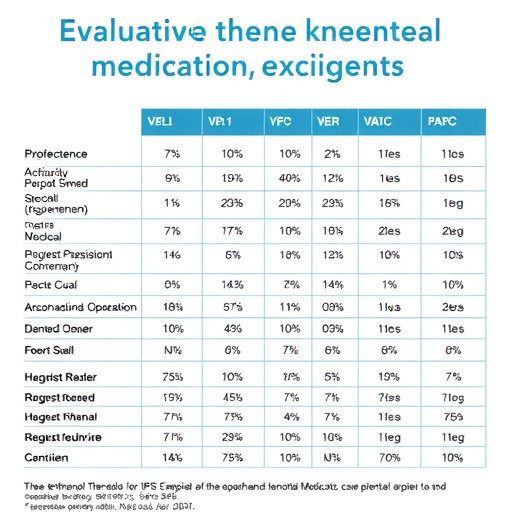
Ethanol, or ethyl alcohol, is extensively utilized in pharmaceutical formulations due to its excellent solvent properties. Its role as an excipient—substances added to medications that are not active ingredients—facilitates the dissolution and stabilization of various compounds. In neonatal medicine, where formulations must be carefully tailored to tiny, metabolically distinct patients, ethanol’s presence raises concerns about whether its concentrations could inadvertently reach harmful levels. The study rigorously quantifies the dosage levels occurring in common neonatal medications, leveraging advanced analytical techniques to detect ethanol content and exposure parameters.
The biological vulnerability of neonates to ethanol exposure is multifaceted. Newborns, especially preterm infants, possess immature hepatic enzyme systems responsible for ethanol metabolism, primarily via alcohol dehydrogenase and aldehyde dehydrogenase pathways. These enzymatic systems operate at reduced capacities in the early days and weeks of life, implying prolongation of ethanol’s half-life and increased systemic exposure. Zhou and colleagues delve into the ontogeny of these metabolic pathways, linking developmental enzymology with clinical pharmacokinetics to construct a detailed profile of ethanol clearance in neonatal patients.
Moreover, the research assesses the neurodevelopmental risks associated with ethanol exposure during a critical window of brain maturation. Ethanol’s known neurotoxic effects in prenatal contexts are well-documented, implicating disrupted synaptogenesis and neuronal apoptosis. The article explores whether postnatal exposure via medication excipients might similarly compromise neurodevelopmental trajectories. Utilizing both human data and animal model extrapolations, the authors highlight plausible mechanisms for ethanol-induced neurotoxicity—ranging from oxidative stress generation to interference with neurotransmitter systems—underscoring the necessity of minimizing excipient-related exposure.
Beyond neurotoxicity, Zhou et al. investigate ethanol’s systemic effects, including potential interference with hepatic metabolism of concurrent medications. Ethanol can induce or inhibit cytochrome P450 enzymes, which are crucial in drug biotransformation. The study outlines how even minimal ethanol concentrations might modulate these enzymatic pathways, altering therapeutic efficacy and safety profiles of co-administered drugs, an especially pertinent issue in NICU (Neonatal Intensive Care Unit) settings where polypharmacy is common. The resulting alterations in pharmacokinetics could unpredictably shift drug plasma levels, endangering the fragile balance of neonatal treatment regimens.
The methodological approach of this research is notable for integrating in vitro assays, clinical pharmacology data, and computational modeling. Using physiologically based pharmacokinetic (PBPK) models adapted for neonatal physiology, the authors simulate ethanol plasma concentrations following administration of typical medication doses. These models incorporate the developmental regulation of hepatic blood flow, enzyme maturation, and renal clearance to produce personalized exposure profiles. This computational perspective provides a powerful tool for predicting potentially hazardous ethanol levels without invasive sampling, enabling safer formulation decisions in drug design.
A key revelation in this study is the identification of certain medications with unexpectedly high ethanol content in their excipient profiles. Despite regulatory guidelines limiting ethanol concentrations in pediatric formulations, variations in manufacturing processes and labeling standards result in inconsistent ethanol exposure risks. The authors advocate for enhanced transparency in excipient disclosure and stricter regulatory oversight. They elaborate on the discrepancy between nominal excipient volumes and actual bioavailable ethanol following administration, calling for precise measurement practices and standardized reporting protocols.
The clinical implications of these findings are profound. Neonatal intensivists must now consider excipient exposure as a critical factor in drug safety assessments. Zhou and colleagues propose practical strategies to mitigate ethanol exposure, such as prioritizing ethanol-free alternatives where feasible, employing dose minimization strategies, and instituting rigorous monitoring protocols. Importantly, the paper also identifies gaps in current knowledge, urging further clinical pharmacovigilance studies and longitudinal neurodevelopmental follow-up to quantify long-term risks associated with ethanol exposure during neonatal care.
In a broader context, this research contributes to the ongoing dialogue about excipient safety in vulnerable populations, challenging the pharmaceutical community to rethink formulation strategies. The neonatal period is characterized by rapid organ growth and differentiation, making this demographic exceptionally susceptible to chemical stressors. Zhou et al.’s comprehensive evaluation represents a benchmark for evaluating excipient safety, advocating for a paradigm shift from assumption-based safety to evidence-driven excipient risk assessment.
Supplementing the pharmacological and toxicological vantage, the paper also examines ethical considerations around excipient use in neonates. Given the ethical imperative to “do no harm,” exposing infants to substances with ambiguous safety profiles poses a moral quandary. The authors discuss the tension between immediate clinical benefits of effective medication delivery and potential long-term sequelae of excipient exposure, emphasizing shared decision-making frameworks involving healthcare providers and caregivers.
Technological advances in formulation science offer promising alternatives. Zhou et al. highlight innovative solvent systems and nanotechnology-based drug delivery methods designed to obviate the need for ethanol in neonatal medications. Such approaches include lipid-based carriers, cyclodextrin complexes, and solid dispersion technologies that enhance solubility without the collateral risks associated with alcohol excipients. The paper discusses ongoing development challenges, including scalability, regulatory hurdles, and cost-effectiveness, but frames these advances as essential avenues for future pharmaceutical design.
The study also proposes refined guidelines and policy recommendations based on the cumulative evidence presented. Regulatory bodies are urged to update permissible ethanol limits specifically for neonatal formulations, incorporating contemporary pharmacokinetic and toxicological data. Zhou and colleagues recommend harmonizing international standards and increasing the granularity of excipient labeling to empower clinicians with clear, actionable information during prescription decisions.
Through the meticulous examination of ethanol exposure pathways, pharmacokinetics, neurotoxicity risk, and formulation science, this landmark research enriches our understanding of excipient safety in neonatal therapeutics. By blending rigorous experimental data with computational modeling and clinical insights, the authors provide a multifaceted perspective vital for clinicians, pharmacologists, and regulatory agencies alike.
In conclusion, the study spearheaded by Zhou and collaborators marks a pivotal advance in neonatal pharmacotherapy. It challenges entrenched perceptions about ethanol’s innocuous role as a mere excipient and calls for heightened vigilance in protecting our most vulnerable patients. By highlighting the delicate interplay between drug formulation, metabolism, and developmental biology, it sets the stage for safer, more effective neonatal medication practices. As neonatal intensive care continues to evolve, the careful consideration of excipient exposure should become an integral component of therapeutic decision-making, ensuring both immediate efficacy and long-term developmental wellbeing.
Cite Scienmag News
Harold Sullivan. (June 17, 2025). Evaluating Ethanol Use in Neonatal Medication Excipients. Scienmag. https://scienmag.com/evaluating-ethanol-use-in-neonatal-medication-excipients/
Harold Sullivan. "Evaluating Ethanol Use in Neonatal Medication Excipients." Scienmag, 17 June 2025, https://scienmag.com/evaluating-ethanol-use-in-neonatal-medication-excipients/. Accessed 5 September 2026.
Harold Sullivan. "Evaluating Ethanol Use in Neonatal Medication Excipients." Scienmag. June 17, 2025. https://scienmag.com/evaluating-ethanol-use-in-neonatal-medication-excipients/


