


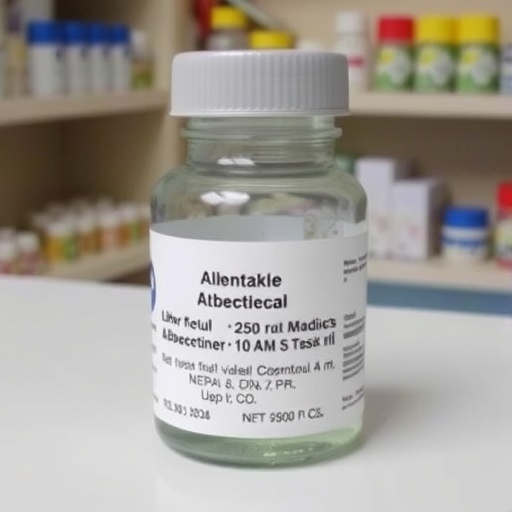
In the intricate landscape of veterinary pharmaceuticals, the efficacy and quality of the medications that are dispensed to our animal companions wield significant impact. One noteworthy study has emerged from the heart of Nepal, revealing critical insights into the quality of albendazole formulations. As a broad-spectrum anthelmintic drug, albendazole is crucial for managing a variety of parasitic infections that afflict livestock and companion animals alike. The recent investigation highlights not only the importance of ensuring the integrity of such medications but also the broader implications for veterinary practices and animal health across Nepal.
The researchers, Dhakal, Acharya, and Rana, conducted a robust assessment of the albendazole formulations available in veterinary pharmacies throughout Nepal. This investigation shines a spotlight on the prevailing quality of veterinary medicines, particularly those that are used for treating intestinal worms and other parasitic conditions that pose serious threats to agriculture and pet ownership. The study meticulously addresses the various factors that can influence drug efficacy, including formulation consistency, active ingredient concentration, and the presence of impurities that could compromise the therapeutic effects.
Albendazole’s mechanism of action revolves around its ability to inhibit microtubule formation in parasites, ultimately leading to the organism’s death. However, if formulations are substandard, it raises the risk of ineffective treatment outcomes, which could lead to increased mortality rates in livestock and diminished health in pets. The ramifications of such subpar drugs extend beyond individual animals to families and communities that depend on these animals for their livelihood, thus posing an economic risk that warrants thorough examination.
One of the critical components of this research involves the selection process concerning which albendazole formulations were tested. The authors took a comprehensive approach, surveying a range of pharmacies within various regions and urban centers in Nepal. This geographic diversity ensures that the findings from their analysis reflect a broader spectrum of the market, making the results more substantial and actionable.
To ascertain the quality of these formulations, the research team employed standardized methodologies that are widely recognized in pharmaceutical science. This included high-performance liquid chromatography (HPLC) techniques to accurately measure the concentration of active ingredients in the albendazole samples taken from pharmacy shelves. Such precision is imperative, as it serves as both a benchmark for quality assurance and a means to identify which formulations consistently meet or fail to meet regulatory standards.
The results of the analysis revealed a concerning trend—an alarming proportion of the albendazole formulations tested fell short of acceptable quality standards. Many formulations demonstrated insufficient concentrations of the active ingredient, while others exhibited various impurities that could compromise efficacy. This variability raises pertinent questions about regulatory oversight in the veterinary pharmaceutical sector and calls for the implementation of stricter quality control measures to protect animal health.
Moreover, this striking discovery invites a larger conversation about the systemic issues plaguing the access and distribution of veterinary medicines in Nepal. Many rural areas still struggle with access to quality medications, often relying on locally available versions that might not undergo rigorous testing. As a result, the disparity in drug quality could exacerbate public health and animal welfare issues, threatening both food security and economic stability in agricultural communities.
The implications of these findings serve as a clarion call for veterinary practitioners, policymakers, and pharmaceutical manufacturers. It underscores the necessity for a cohesive strategy that aligns stakeholders to enhance the quality of veterinary drugs. Educational initiatives could empower practitioners to better discern the quality of the medications they prescribe, while also advocating for consumer awareness regarding the importance of sourcing medications from reputable suppliers.
Furthermore, this study outlines the need for enhanced regulatory frameworks that specifically address the production and dissemination of veterinary pharmaceuticals in developing regions. The presence of robust manufacturing guidelines, coupled with regular inspections and monitoring processes, could dramatically reduce the prevalence of substandard drugs in the market. It is imperative that all stakeholders engage in an open dialogue about best practices to safeguard animal health.
As a way forward, fostering collaboration between veterinary professionals, government entities, and pharmaceutical companies could yield significant improvements in the quality assurance processes pertaining to veterinary pharmaceuticals. Such partnerships can facilitate research into affordable, high-quality formulations while ensuring that veterinary practices can confidently administer the best possible treatments.
In conclusion, the findings of Dhakal, Acharya, and Rana present a critical insight into the landscape of veterinary pharmaceuticals in Nepal, emphasizing the urgent need for reforms in quality control measures and regulations. It is a poignant reminder that the health of our animals directly correlates to our responsibility in ensuring the integrity of the medications we provide. This study not only adds to the current knowledge base but also challenges us to take actionable steps toward securing better healthcare outcomes for our animal populations.
As the study progresses towards publication in the esteemed BMC Pharmacology and Toxicology journal, it is hoped that it ignites a movement towards improved standards in veterinary pharmacology around the globe, particularly in regions that face similar challenges. The call to action is clear: to protect our planet’s health, we must first protect the health of our animals—a commitment that begins with ensuring access to effective and safe medications.
Dhakal, S., Acharya, B., Rana, S. et al. Quality analysis of albendazole formulations available in veterinary pharmacies of Nepal.
BMC Pharmacol Toxicol 26, 163 (2025). https://doi.org/10.1186/s40360-025-01006-x
Cite Scienmag News
William Thompson. (October 14, 2025). Evaluating Albendazole Quality in Nepal’s Veterinary Pharmacies. Scienmag. https://scienmag.com/evaluating-albendazole-quality-in-nepals-veterinary-pharmacies/
William Thompson. "Evaluating Albendazole Quality in Nepal’s Veterinary Pharmacies." Scienmag, 14 October 2025, https://scienmag.com/evaluating-albendazole-quality-in-nepals-veterinary-pharmacies/. Accessed 5 September 2026.
William Thompson. "Evaluating Albendazole Quality in Nepal’s Veterinary Pharmacies." Scienmag. October 14, 2025. https://scienmag.com/evaluating-albendazole-quality-in-nepals-veterinary-pharmacies/


