


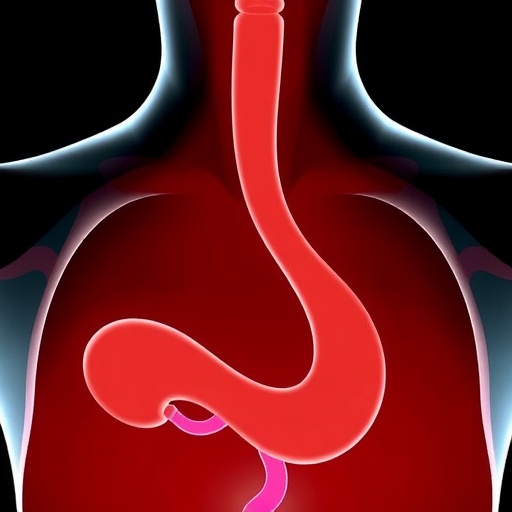
In a groundbreaking study published in BMC Cancer, researchers have unveiled compelling evidence supporting endoscopic submucosal dissection (ESD) as a safe and effective alternative to conventional surgical treatment for early gastric cancer (EGC) in patients under 45 years of age. This discovery promises to transform the therapeutic landscape for young EGC patients, prioritizing both survival outcomes and enhanced quality of life post-treatment.
Gastric cancer remains a formidable global health challenge. While early detection enables curative interventions, traditional surgical approaches, often involving gastrectomy, carry significant risks, including postoperative complications and long-term alterations in nutritional status. Young patients, in particular, face challenges that extend beyond survival, encompassing psychosocial factors and quality of life, which are critical considerations in treatment selection.
Endoscopic submucosal dissection, a minimally invasive endoscopic technique, allows for en bloc resection of early-stage tumors confined to the mucosa or superficial submucosa without lymph node metastasis. Its usage has been well studied in older patient cohorts, but until now, comprehensive data about its efficacy and safety in younger demographics were lacking.
This extensive multicenter retrospective analysis, encompassing patient data from January 2015 to December 2022, sheds light on the comparative outcomes of ESD versus traditional surgical approaches in patients 45 years or younger. The study scrutinized vital metrics such as overall survival (OS), disease-free survival (DFS), and the nuanced quality of life indices that are particularly consequential in a younger cohort.
Among 154 young patients included in the study, a subgroup of 41 underwent ESD while 113 received surgical treatment. Remarkably, the ESD cohort demonstrated an OS rate of 97.6% and a DFS rate of 97.6%, aligning closely with the surgery group’s OS and DFS rates of 99.1%. Statistical analysis confirmed that these differences were insignificant, effectively validating ESD’s oncologic safety and efficacy equivalence.
Further extending their inquiry, the investigators evaluated ESD outcomes across a larger cohort of 833 patients segmented into three age groups: ≤45 years, 46–65 years, and >65 years. The data revealed consistently high efficacy of ESD regardless of age, with DFS rates showing no statistical disparity, reinforcing the procedure’s reliability as a standard-of-care treatment for EGC.
One of the pivotal facets of this study was the comprehensive assessment of post-treatment quality of life. The authors observed that patients treated with ESD experienced significantly fewer gastrointestinal side effects such as nausea and diarrhea compared to their surgical counterparts. This finding is particularly consequential, as postoperative complications can severely impair daily functioning and recovery trajectories, especially for younger individuals with active lifestyles.
Additionally, the study highlighted that ESD patients maintained stable body weight and body mass index (BMI) following treatment, contrasting with surgery patients who suffered notable reductions in these parameters. Preservation of nutritional status is a critical metric, as weight loss and malnutrition can lead to diminished physical resilience and lowered immunity, potentially jeopardizing long-term outcomes.
The reduced morbidity associated with ESD usage aligns with the procedure’s minimally invasive nature, which avoids the extensive tissue disruption characteristic of traditional surgery. This advantage not only expedites recovery but also supports sustained physiological well-being—a consideration of heightened importance for younger patient populations with extended life expectancy.
Therapeutic decision-making in early gastric cancer traditionally prioritizes oncologic control, sometimes at the expense of the patient’s quality of life, especially when more invasive techniques are employed. This study challenges that paradigm by presenting robust evidence that ESD can offer an optimal balance, achieving both curative potential and superior life quality post-intervention.
Moreover, the implications of this research extend beyond individual patient outcomes. Adoption of ESD as a preferred approach in suitable young patients could yield systemic healthcare benefits, including reduced hospital stays, decreased healthcare expenditures, and minimized burden on surgical resources.
While the study’s retrospective design warrants cautious interpretation, its multicenter nature and comprehensive dataset provide a compelling foundation for future prospective randomized trials. These trials will be instrumental in further validating ESD’s role and refining patient selection criteria to maximize benefit.
Furthermore, advancements in endoscopic technology and operator expertise will likely enhance the safety profile and accessibility of ESD, potentially expanding its indication spectrum. Integration with emerging diagnostic modalities such as enhanced imaging and molecular profiling might further optimize personalized treatment strategies.
In clinical practice, these findings advocate for multidisciplinary evaluation of young EGC patients, incorporating gastroenterologists, surgical oncologists, pathologists, and nutritionists, to tailor treatment plans that amalgamate oncologic efficacy with holistic patient-centered care.
The study underlines a paradigm shift in managing early gastric cancer among young patients, highlighting ESD as a transformative approach that not only preserves life but also restores and maintains the quality of that life in the aftermath of treatment.
As the medical community continues to prioritize survivorship and long-term well-being, interventions like ESD exemplify the future of cancer care where innovation, precision, and empathy intersect to optimize patient outcomes.
In summary, this pivotal research elevates endoscopic submucosal dissection from a minimally invasive option to a frontline therapeutic strategy in young patients with early gastric cancer, promising a new era where curative success coexists with enhanced post-treatment quality of life.
Cite Scienmag News
Nathaniel Bowman. (November 22, 2025). ESD vs. Surgery: Young Gastric Cancer Options. Scienmag. https://scienmag.com/esd-vs-surgery-young-gastric-cancer-options/
Nathaniel Bowman. "ESD vs. Surgery: Young Gastric Cancer Options." Scienmag, 22 November 2025, https://scienmag.com/esd-vs-surgery-young-gastric-cancer-options/. Accessed 6 September 2026.
Nathaniel Bowman. "ESD vs. Surgery: Young Gastric Cancer Options." Scienmag. November 22, 2025. https://scienmag.com/esd-vs-surgery-young-gastric-cancer-options/


