

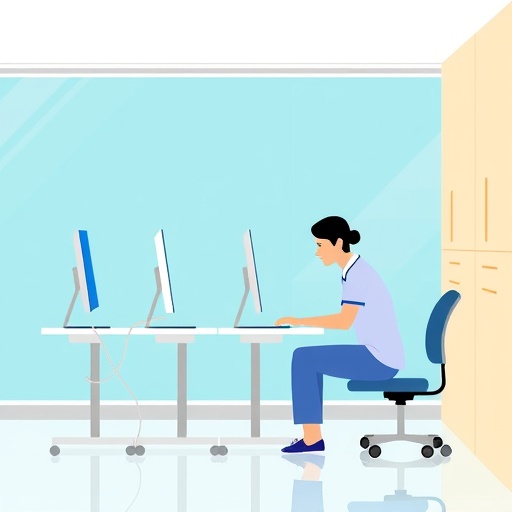
In the rapidly evolving field of healthcare, the safety and well-being of practitioners play a critical role in the quality of patient care delivered in hospitals. A compelling study, led by researchers including A. Tabrizi and A. Babazadeh Choobtarash, explored a pivotal component of this concern: the ergonomic conditions of nursing workstations. This research highlights how the physical environment in which nurses operate can significantly influence their risk of developing musculoskeletal disorders (MSDs). The case study was conducted within the hospitals affiliated with Shahid Beheshti University of Medical Sciences, illuminating a subject of paramount importance in an era when healthcare demands are continually increasing.
At the core of this investigation was the recognition that nurses are vital to the healthcare system, often bearing the brunt of physical labor. The nature of their work includes various physically demanding tasks, such as lifting patients, prolonged periods of standing, and intensive computer work. These activities contribute to a high incidence of musculoskeletal disorders, which can compromise not only the health of the nurses themselves but also the overall efficiency and safety of patient care. Hence, assessing the ergonomic conditions of their workstations emerges as a necessary step in safeguarding both nurses and patients.
The methodology employed by the research team was thorough, involving detailed evaluations of the workstation setups in the selected hospitals. Observations were meticulously recorded and analyzed to determine how various ergonomic factors aligned or misaligned with the optimal standards for nursing workstations. The study noted that many existing setups were subpar, lacking essential ergonomic features such as adjustable desks, supportive seating, and tools to minimize strain during patient handling. Consequently, these inadequate conditions led to higher reported instances of discomfort and painful conditions among nursing staff.
Findings from the study revealed a clear link between poor ergonomic conditions and the prevalence of MSDs among nurses. For instance, it was observed that nurses working in settings lacking ergonomic design principles reported higher levels of back pain, neck strain, and wrist issues. These problems translated not only into physical impairment but also increased absenteeism and a decline in job satisfaction. The ramifications of such outcomes extend beyond the individual, as the well-being of nursing personnel is directly correlated with patient outcomes, thus underscoring the pressing need for hospitals to reevaluate their current practices.
Furthermore, the researchers pointed out that ergonomic interventions would not only benefit nurses but also improve the overall performance and satisfaction of healthcare teams. By investing in ergonomic assessments and subsequent adjustments to nursing workstations, hospitals could see a decrease in the frequency of injury claims and expenses related to worker compensation. Moreover, enhancing the working conditions for nurses could lead to a more motivated workforce, producing higher-quality care and improving patient experiences.
As the discussion within the healthcare community continues to grow around the importance of ergonomics, this study stands out for its empirical backing and clear recommendations for action. It sends a robust message that administrative stakeholders must prioritize the physical environments of nursing workstations to adequately support their staff. This investment is not merely an operational expense; rather, it is a strategic initiative that echoes through to improved patient safety, satisfaction, and outcomes.
In light of the dynamic nature of healthcare work, this research shines a light on the critical need for ongoing assessment and improvement of work conditions in hospitals. The identification of ergonomic risk factors provides a platform upon which further investigations can be built. Future research efforts could focus on longitudinal studies that track the effectiveness of ergonomic interventions over time, ensuring a sustainable approach to workforce well-being.
Another critical aspect raised in this research is the potential for interdisciplinary collaboration. The integration of occupational health professionals, ergonomists, and healthcare administrators could forge a pathway towards the development of comprehensive ergonomic programs tailored to nursing environments. By fostering such partnerships, healthcare institutions can effectively address the complex interplay between worker health and patient care.
The study by Tabrizi and colleagues also serves to inspire a broader conversation about occupational health in nursing. It has the potential to galvanize policy changes and encourage healthcare organizations to adopt evidence-based practices in ergonomics. As more studies reveal the fine balance between job satisfaction, physical health, and quality patient care, stakeholders will be compelled to act.
In conclusion, the insights garnered from this research underscore a significant yet often overlooked aspect of the nursing profession: the ergonomic conditions of workstations. As healthcare demands continue to evolve, addressing these factors with urgency and rigor will yield considerable benefits across the spectrum. It is essential for healthcare leaders to recognize that the well-being of their nursing staff is synonymous with the well-being of the patients they serve.
Moving forward, this evidence calls for a collective effort to prioritize ergonomic design and implementation within healthcare environments, ensuring that nurses are equipped with not only the tools they need for success but also a workspace that supports their overall health and job performance.
Ultimately, the findings pave the way for greater awareness and advocacy in the nursing community, empowering professionals to engage actively in discussions about their working conditions and demand the necessary changes. By championing ergonomic reforms, the healthcare sector can cultivate a more resilient nursing workforce, one that is capable of delivering care with both excellence and compassion.
Subject of Research: Ergonomic conditions of nursing workstations and their association with musculoskeletal disorders among nurses.
Article Title: Investigation of the association between ergonomic conditions of nursing workstations and the risk of musculoskeletal disorders among nurses: a case study in selected hospitals of Shahid Beheshti University of medical sciences.
Article References:
Tabrizi, A., Babazadeh Choobtarash, A., Darzi, M. et al. Investigation of the association between ergonomic conditions of nursing workstations and the risk of musculoskeletal disorders among nurses: a case study in selected hospitals of Shahid Beheshti University of medical sciences.
BMC Nurs (2025). https://doi.org/10.1186/s12912-025-04135-0
Image Credits: AI Generated
DOI:
Keywords: Ergonomics, nursing workstations, musculoskeletal disorders, healthcare, nurse well-being.


