

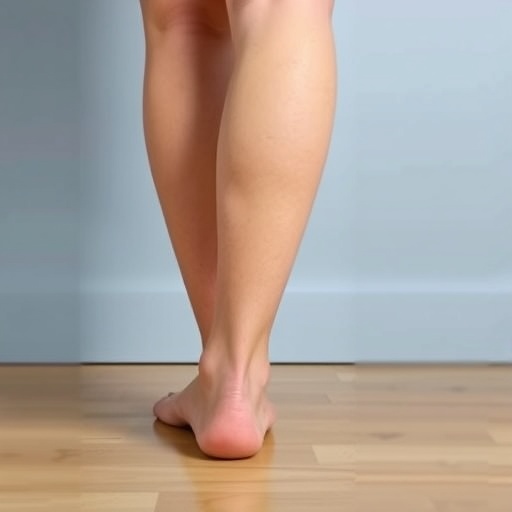
Recent research published in the esteemed journal BMC Nursing presents a significant leap in our understanding of holistic approaches to wound care, particularly venous ulcers. This groundbreaking study, led by researchers Herraiz-Ahijado et al., investigates the crucial role of physical activity as an adjuvant treatment alongside conventional therapies in promoting the healing of venous ulcers among patients in primary care settings. The researchers employed a rigorous randomized controlled trial (RCT) design to ensure the credibility of their findings.
Venous ulcers, a persistent societal ailment, affect millions worldwide, often resulting in severe morbidity and impacts on patients’ quality of life. They are primarily caused by venous insufficiency, leading to blood pooling and subsequently ulcer formation due to prolonged pressure and lack of oxygen in the tissues. Traditional treatments have focused on wound care, compression bandaging, and medication, but despite such interventions, the healing rates remain dishearteningly low. This scenario underscores the urgent need for innovative strategies that combine physical, social, and psychological aspects of health.
The study’s methodology was meticulously designed to quantify the impact of physical activity on wound healing. Participants were randomly assigned to either a control group, which received standard care, or an intervention group, which incorporated structured physical activity sessions into their care regimen. This controlled environment not only guarantees the reliability of collected data but also limits external variables that could potentially skew the outcome.
The physical activity regimen included tailored, moderate-intensity exercises designed to improve circulation, enhance mobility, and encourage overall physical wellness. Each session was led by trained physiotherapists who ensured adherence to safety protocols while promoting an empowering environment. By focusing directly on the pump mechanisms of the legs, the researchers aimed to ameliorate the underlying issue causing venous stasis, thus creating conducive conditions for ulcer healing.
At the conclusion of the study period, preliminary results were remarkable. The intervention group demonstrated a significantly enhanced rate of ulcer healing when compared to their counterparts in the control group. Statistical analyses revealed that regular physical activity contributed not only to a reduction in ulcer size but also to an overall improvement in patients’ mobility and mental well-being. These outcomes suggest a multi-faceted benefit of integrating physical activity into standard care practices for individuals suffering from venous ulcers.
The researchers also conducted qualitative interviews with participants to better understand their perspectives on the physical activity intervention. Many expressed feelings of empowerment and increased motivation that stemmed from their engagement in the structured exercise program. Patients reported a newfound sense of agency over their health, combatting the feelings of frustration and helplessness frequently associated with chronic wound management. This psychological boost is vital, as mental health plays a crucial role in physical recovery.
Additionally, the study highlighted the importance of community support. Participants engaged in physical activity classes reported bonding with peers who shared similar health challenges. This created a supportive network that encouraged accountability and fostered a sense of belonging. The researchers emphasized that the social components of the intervention were integral to its success, as camaraderie often leads to sustained participation in health-promoting activities.
Furthermore, the implications of this research extend beyond just individual patient care. By demonstrating the feasibility and efficacy of physical activity as an adjunct to standard treatments for venous ulcers, this study paves the way for healthcare policies that advocate for integrated care strategies in primary healthcare settings. Such policies could encourage healthcare practitioners to adopt a more holistic treatment approach, incorporating physical activity into routine care for chronic wounds.
However, the findings come with some limitations. The study’s sample size, while adequate for preliminary findings, calls for further research on larger and more diverse populations to affirm the generalizability of the results. Additionally, the long-term effects of sustained physical activity beyond the treatment period remain to be evaluated. Future studies should investigate these dimensions to solidify the understanding of how physical activity could serve as a sustainable intervention in managing chronic health conditions.
In conclusion, the compelling evidence presented by Herraiz-Ahijado and colleagues suggests that incorporating physical activity into the treatment plan for venous ulcers not only enhances healing outcomes but also enriches patients’ lives. This innovative approach challenges the conventional paradigm of wound care and beckons healthcare professionals to rethink strategies that prioritize physical, emotional, and social well-being.
The hope is that this research will ignite further dialogue in the medical community, ultimately leading to a paradigm shift in how chronic wounds like venous ulcers are approached. The interconnectedness of physical health and emotional well-being emphasizes a crucial lesson: healing is not merely a physical process, but rather a comprehensive journey that includes the mind and spirit, ushering in a future where patients are seen as whole individuals rather than mere cases.
As our understanding of health evolves, it is imperative that we embrace new avenues of treatment that align with this holistic perspective. The findings of this significant study should serve as a call to action for healthcare providers to embrace physical activity as more than just an adjunct modality but as a vital component of recovery protocols for venous ulcers and possibly for other chronic conditions.
Subject of Research: The impact of physical activity as an adjuvant treatment in the healing of venous ulcers.
Article Title: Impact of physical activity as an adjuvant treatment in the healing of venous ulcers in primary care: active legs RCT.
Article References: Herraiz-Ahijado, B., Folguera-Álvarez, C., Rodríguez-Barrientos, R. et al. Impact of physical activity as an adjuvant treatment in the healing of venous ulcers in primary care: active legs RCT. BMC Nurs (2025). https://doi.org/10.1186/s12912-025-04189-0
Image Credits: AI Generated
DOI:
Keywords: venous ulcers, physical activity, healing, adjuvant treatment, randomized controlled trial.


