


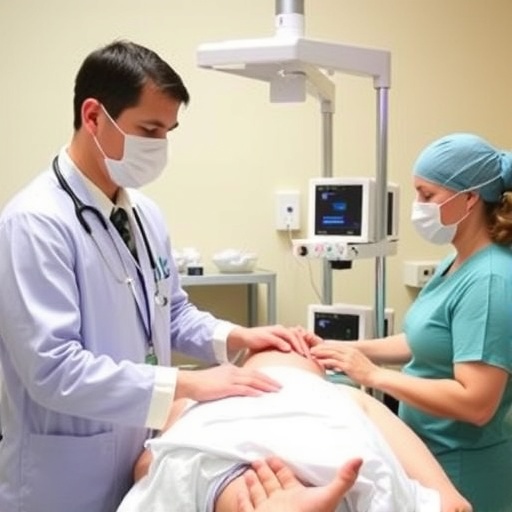
In the evolving landscape of medical education, the integration of simulation-based learning continues to gain traction as a crucial pedagogical tool. This methodology is particularly vital in the training of physician assistants (PAs), who play pivotal roles in patient care across various specialties. A recent study published in BMC Medical Education by Griffin, Daher, and Bohensky sheds light on the incorporation of obstetrical simulation within the didactic curriculum for PAs. This innovative approach not only enhances learning outcomes but also addresses the multifaceted challenges faced by healthcare professionals in obstetric care.
The significance of obstetric simulation lies in its ability to replicate real-life scenarios that healthcare professionals may encounter in an obstetric setting. By creating a safe and controlled environment for students to practice, this methodology allows for hands-on experience that is crucial for developing clinical competencies. Simulations can range from straightforward procedures to complex delivery scenarios, enabling students to navigate both routine and emergency situations with greater confidence and skill.
One of the primary advantages of utilizing obstetrical simulation is the immediate feedback it provides. In traditional learning settings, students may be exposed to theoretical concepts without the opportunity to apply them practically. In contrast, simulation-based education allows for real-time assessment and constructive critique from educators. This iterative process of learning fosters greater retention of knowledge and hones the decision-making abilities necessary in high-stakes clinical environments.
The study by Griffin and colleagues outlines a comprehensive framework for incorporating such simulations into the PA curriculum. This framework encompasses various elements, including predefined learning objectives, assessment methods, and facilitator training. By establishing clear goals, educators can tailor the simulation experiences to meet the specific needs of their students, thereby enhancing the educational value. Assessment methods can include both formative and summative evaluations to gauge student performance and readiness for practical application in clinical settings.
Furthermore, the interdisciplinary nature of obstetrics necessitates collaboration among healthcare providers. Simulation training can foster teamwork and communication skills among students from different medical disciplines. By engaging in collaborative simulations, PAs can learn to function effectively within a multidisciplinary team, an essential skill in modern healthcare. This integration can lead to improved patient outcomes as team dynamics are refined and interprofessional communication strengthens.
The implementation of obstetrical simulations also addresses key areas identified in the literature as needing improvement in PA education. For instance, many PA programs have been criticized for lacking adequate exposure to obstetric and gynecological training. By embedding simulation practices, programs can ensure that students gain essential experience in providing care for pregnant individuals, who often present with unique medical and emotional needs. This proactive approach can ultimately lead to more competent and compassionate care providers.
Equally important is the perspective of students engaged in this curriculum. The study captures the students’ sentiments, indicating that they feel more prepared for real-world clinical scenarios after participating in simulation-based training. Their self-assessment revealed increased confidence levels and a greater understanding of obstetrical procedures, which are paramount for successful practice post-graduation.
In addition, the findings of the research provide evidence that simulation can significantly reduce the anxiety often associated with clinical encounters in obstetrics. By immersing students in simulated environments, they can experience the pressures linked with real-life situations without the consequences of actual clinical errors. This form of experiential learning cultivates resilience and adaptability, qualities that are crucial for healthcare providers in today’s fast-paced medical world.
Moreover, the use of advanced technologies in simulations, such as high-fidelity manikins and virtual reality, adds another layer of depth to the learning experience. These technologies can replicate physiological responses, allowing students to engage with scenarios that closely mimic real obstetric events. The realistic nature of these simulations prepares students not only technically but also enhances their emotional intelligence and empathy towards patients, fostering a holistic approach to care.
While the benefits of obstetrical simulation in PA education are clear, challenges remain in its widespread adoption. Institutions may face limitations such as inadequate resources, faculty trained in simulation techniques, or resistance to change from traditional teaching methods. Overcoming these barriers requires a concerted effort from educational leaders and policymakers. By advocating for investment in simulation technologies and training, the potential for transformative change in medical education can be realized.
The implications of this study extend beyond just PA training programs; they provide a blueprint for other healthcare disciplines to enhance their curricula through simulation-based techniques. The observed benefits in student preparedness and confidence could be mirrored across various fields, indicating a potential shift in how future healthcare professionals are trained. As medical education continues to advance, embracing simulation as a core component will be essential for ensuring that all healthcare providers are equipped to meet the demands of their roles.
In conclusion, the incorporation of obstetrical simulation into the physician assistant didactic curriculum represents a significant step forward in medical education. By prioritizing hands-on, experiential learning, educational institutions can better prepare students for the complexities of clinical practice in obstetrics. This research underscores the necessity for ongoing innovation in teaching methodologies as the landscape of healthcare continues to evolve. Ultimately, the goal remains the same: to enhance patient care through improved education and training for future healthcare providers.
Cite Scienmag News
Courtney Benton. (January 2, 2026). Enhancing PA Education with Obstetrical Simulations. Scienmag. https://scienmag.com/enhancing-pa-education-with-obstetrical-simulations/
Courtney Benton. "Enhancing PA Education with Obstetrical Simulations." Scienmag, 2 January 2026, https://scienmag.com/enhancing-pa-education-with-obstetrical-simulations/. Accessed 3 September 2026.
Courtney Benton. "Enhancing PA Education with Obstetrical Simulations." Scienmag. January 2, 2026. https://scienmag.com/enhancing-pa-education-with-obstetrical-simulations/


