


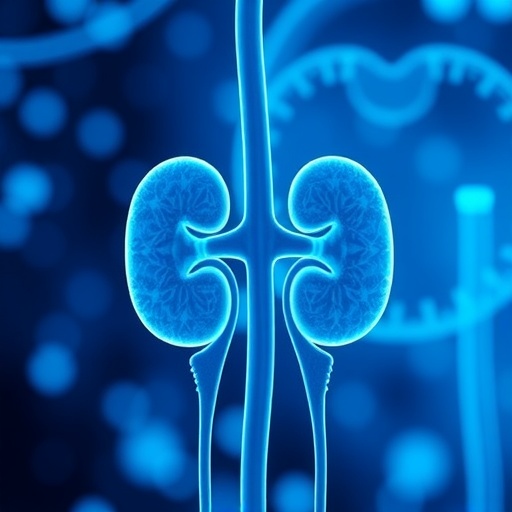
In a groundbreaking study set to redefine approaches in the field of kidney transplantation, researchers, including noted experts A.A. Memon, K.L. Lentine, and Y. Caliskan, delve into the complex interplay between complement-mediated kidney diseases and the nuances of living donor transplantation. Emerging from the research published in Current Transplantation Reports, the authors highlight innovative strategies crafted to enhance patient outcomes. The year 2025 marks a pivotal moment in transplant medicine, as the findings presented offer fresh insights into a multitude of factors shaping the success of these critical procedures.
A deep understanding of complement-mediated kidney diseases is vital in broadening the horizons of living donor kidney transplantation. The complement system, a part of the innate immune response, plays a dual role in kidney health and disease. It acts as a protective mechanism against pathogens, yet its dysregulation may contribute to kidney injury and dysfunction. Researchers elucidate how the complement system can become activated during various pathological processes, further complicating the landscape of kidney transplantation when living donors are involved.
Memon and his colleagues provide a comprehensive overview of existing treatment modalities and highlight a significant gap in modern therapeutic strategies aimed at combating complement-mediated complications in kidney transplant settings. The article emphasizes that tailored approaches, which focus on individual patient profiles, could potentially mitigate the risk posed by complement-related complications. By analyzing patient data and treatment responses, the researchers are forging a path toward precision medicine within this highly specialized field.
The urgency to refine transplant methodologies derives from the increasing prevalence of kidney diseases globally. The need for effective living donor transplantation methods is escalating as the number of individuals suffering from renal failure continues to rise. As statistics reveal alarming trends in chronic kidney disease, the implications of complement system activation are becoming more evident. However, the authors assert that a move toward individualized treatment plans could markedly improve patient outcomes and overall transplant efficacy.
Transitioning to the clinical implications of their findings, the authors underscore the need for an interdisciplinary approach in managing patients with complement-mediated kidney disease. It involves the collaboration of nephrologists, transplant surgeons, immunologists, and other healthcare professionals dedicated to optimizing transplant outcomes. By incorporating various medical disciplines, clinicians can create more holistic treatment plans that address both preoperative and postoperative care requirements for patients.
Another focal point of Memon et al.’s research is the inclusion of advanced biomarker assessments in pre-transplant evaluations. By integrating cutting-edge diagnostic tools, medical professionals could identify patients at greater risk of complement activation, allowing for preemptive interventions that may significantly improve outcomes. This paradigm shift—with a strong emphasis on early identification—could substantially alter how kidney transplant eligibility is determined, ultimately saving lives.
Moreover, Memon and his team delve into the role of adjuvant therapies that inhibit complement activation. Currently available therapies targeting different stages of the complement cascade provide an exciting avenue for future research. These agents, if utilized appropriately within the transplant protocol, may effectively curtail the negative repercussions of complement-mediated diseases in susceptible patients. The potential to integrate these treatments could expand the therapeutic arsenal available to transplant surgeons looking to enhance graft survival and improve overall patient quality of life.
In addition, the research highlights the importance of post-transplant monitoring for early indicators of complement-related complications. Adopting routine assessments and employing targeted interventions at the first sign of complement system activation or dysfunction will be crucial in preserving graft function. Continuous follow-up using innovative diagnostic methodologies can be instrumental in detecting adverse events early on, thus allowing for prompt, effective management strategies tailored to the patient’s unique condition.
Importantly, the authors reflect on the ethical considerations surrounding living donor transplantation, especially in the context of complement-mediated diseases. The potential for adverse effects on living donors due to their kidney donation raises questions about the consent process and risk transparency. The findings presented in this study advocate for developing comprehensive frameworks that ensure both donors and recipients are well-informed and adequately supported throughout the transplantation journey.
Furthermore, Memon and his colleagues provide insights into the necessity for larger-scale studies to validate their findings in diverse populations. The nuances of complement-mediated kidney diseases may exhibit variability across different demographics, and it’s imperative to establish a robust evidence base that robustly addresses
Cite Scienmag News
Ophelia Keating. (August 31, 2025). Enhancing Kidney Transplant Outcomes through Complement Insights. Scienmag. https://scienmag.com/enhancing-kidney-transplant-outcomes-through-complement-insights/
Ophelia Keating. "Enhancing Kidney Transplant Outcomes through Complement Insights." Scienmag, 31 August 2025, https://scienmag.com/enhancing-kidney-transplant-outcomes-through-complement-insights/. Accessed 4 September 2026.
Ophelia Keating. "Enhancing Kidney Transplant Outcomes through Complement Insights." Scienmag. August 31, 2025. https://scienmag.com/enhancing-kidney-transplant-outcomes-through-complement-insights/


