


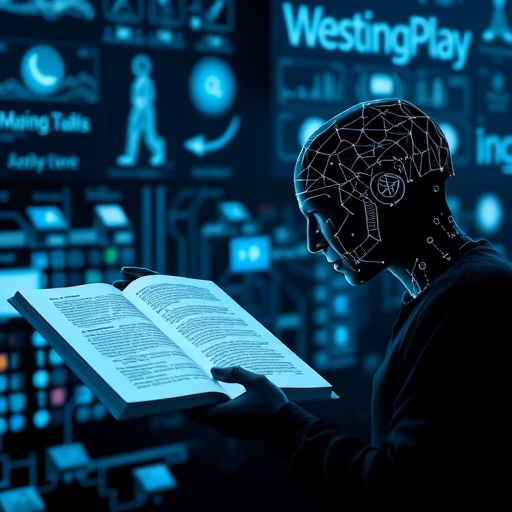
The landscape of language education is undergoing a remarkable transformation in the era of artificial intelligence and data-driven pedagogy. A recently published study has illuminated significant insights into students’ attitudes, challenges, and needs regarding English reading comprehension. This research, positioned at the nexus of linguistics and educational technology, aims to establish foundational pillars for an AI-integrated, corpus-based approach to language teaching. The implications of these findings may well redefine language pedagogy in compelling ways, revolutionizing how students acquire reading skills in English.
The researchers, Oktavianti, Budiwati, and Prayudha, along with their team, delve deep into understanding the various factors that influence English reading comprehension among students. As English continues to dominate as a lingua franca in global communication, proficient reading skills in the language have become essential for academic success and future career opportunities. The study’s exploration into students’ attitudes toward reading English not only underscores their emotional and cognitive engagement but also highlights the complexities of their learning journeys.
One of the pivotal discoveries of the study is how students perceive challenges in reading comprehension. Many express feelings of anxiety and frustration when confronted with complex texts, often leading to disengagement. This apprehension is exacerbated by the rapid pacing of curricular demands and the overwhelming volume of information that students are expected to digest. The research captures the nuanced ways in which such challenges manifest, painting a vivid picture of the modern learner’s plight in an increasingly competitive environment.
An additional layer explored by the researchers is the multifaceted nature of students’ needs when it comes to reading in English. Beyond the mere acquisition of vocabulary and grammatical structures, students emphasize the necessity for instructional support tailored to their unique contexts. Notably, learners seek assistance not only to decipher texts but also to develop critical thinking skills and foster a deeper understanding. These insights prompt a reevaluation of conventional teaching methods that may inadvertently overlook the diverse needs of learners from various backgrounds.
The research team advocates for the integration of AI technologies into language pedagogy as a potential solution to address these challenges effectively. AI tools can offer personalized learning pathways, allowing students to engage with texts that align with their interests and proficiency levels. By leveraging sophisticated algorithms, educators can create dynamic reading comprehension experiences that adapt to individual learners’ pacing and preferences, thereby enhancing engagement and motivation.
Furthermore, the corpus-based approach championed in the study underscores the power of data in language learning. By analyzing large collections of authentic texts, educators can better understand the language usage patterns characteristic of different genres and contexts. This knowledge can inform the design of instructional materials that resonate more closely with learners’ actual experiences, fostering a richer engagement with the language.
Importantly, the implications of the research extend beyond the classroom. As students develop their reading skills, they also cultivate critical digital literacy competencies—an essential component of 21st-century education. The ability to navigate online resources, evaluate credibility, and synthesize information becomes an integrated part of their learning process, preparing them for real-world challenges. This holistic approach to reading comprehension not only enhances language skills but also empowers students with the toolkit necessary for informed citizenship.
Peer interactions are another key element highlighted in the study. Collaborative learning environments where students can discuss texts and share perspectives facilitate deeper understandings and stimulate interest. The role of interaction cannot be understated in a language-learning context, as it fosters a sense of community and support among learners, allowing them to confront challenges together. The researchers advocate for pedagogical strategies that promote cooperative learning, reinforcing the idea that social elements are crucial to academic success.
Critically, the study emphasizes the importance of teacher preparation in this new landscape. Educators must be equipped not only with the technical know-how to implement AI tools but also with the pedagogical skills to create inclusive, supportive learning environments. Professional development programs must focus on integrating technology in meaningful ways that prioritize students’ emotional and cognitive needs. This paradigm shift calls for a reevaluation of teacher training methodologies, ensuring they keep pace with the advancements in educational technology.
As this research prepares to pave the way for future studies, its implications for policy reform within educational systems are profound. Policymakers must consider the insights revealed in this study when allocating resources and designing curricula that adequately support both educators and learners. Investments in technology infrastructure, professional development for teachers, and access to quality educational materials are critical to fostering an environment where students can thrive in their reading pursuits.
In summary, the findings from Oktavianti, Budiwati, and Prayudha’s research present a compelling narrative regarding the challenges and aspirations of English language learners in reading comprehension. The study not only adds to the existing body of literature but also propels the conversation forward regarding the role of technology in language education. An AI-integrated, corpus-based pedagogy represents a paradigm shift toward a more responsive and inclusive educational framework—one that seeks to empower students in their journey toward mastering English reading comprehension.
As the field of education continues to evolve, the insights gleaned from this research provide a beacon of hope for reimagining how we approach language learning. By harnessing the potential of AI and leveraging rich data insights, educators stand on the brink of a new era—one where every learner can find their voice and succeed in the globalized world.
Cite Scienmag News
Courtney Benton. (January 13, 2026). Enhancing English Reading Comprehension with AI Insights. Scienmag. https://scienmag.com/enhancing-english-reading-comprehension-with-ai-insights/
Courtney Benton. "Enhancing English Reading Comprehension with AI Insights." Scienmag, 13 January 2026, https://scienmag.com/enhancing-english-reading-comprehension-with-ai-insights/. Accessed 6 September 2026.
Courtney Benton. "Enhancing English Reading Comprehension with AI Insights." Scienmag. January 13, 2026. https://scienmag.com/enhancing-english-reading-comprehension-with-ai-insights/


