


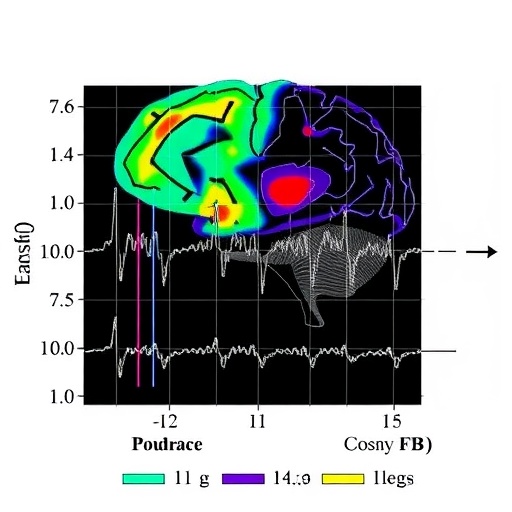
Recent advancements in machine learning and neurotechnology have emerged as powerful tools in a variety of fields, including second language acquisition (SLA) research. A particularly exciting study led by Aldhaheri, Kulkarni, and Al-Zidi investigates the optimization of machine learning models with a focus on multi-feature selection specifically for analyzing electroencephalography (EEG) data. This groundbreaking work, cited in Discov Artif Intell, sheds light on how EEG data can provide insights into the cognitive processes involved in learning a new language, potentially transforming the pedagogical landscape.
The application of EEG technology in SLA research is a step toward understanding how our brains engage with new linguistic inputs. By employing this method, researchers can monitor brain activity in real-time as participants engage in various language tasks. The analysis of this data offers a unique window into the cognitive processes at play, revealing how different brain regions interact when learning foreign languages. Such insights are invaluable for developing more effective language learning strategies and tools.
Optimizing machine learning models necessitates a careful consideration of which features to include in the analysis. The team behind this research utilized multi-feature selection techniques to determine the most relevant EEG features that correlate with successful language acquisition. This approach not only enhances the accuracy of the models but also ensures that the computational resources are utilized efficiently, a critical aspect in today’s data-driven environment.
Through meticulous experimentation, the researchers demonstrated that certain EEG patterns were stronger indicators of successful SLA than others. For instance, they discovered that specific waveforms associated with cognitive load and attentional processes significantly impacted language learning outcomes. This revelation underscores the complexity of the brain’s response to language acquisition stimuli and suggests that tailoring learning experiences to these cognitive responses could lead to improved educational practices.
In their methodology, the researchers employed state-of-the-art machine learning algorithms to analyze the EEG data collected from participants engaged in second language tasks. By comparing various models, they determined which algorithms provided the best predictive accuracy when applied to the EEG features they had selected. This optimization process is crucial for developing robust models that can be reliably used in both research and practical applications in educational settings.
The implications of this study extend beyond the academic domain into the practical realm of language education. By leveraging insights gleaned from EEG analysis, educators can adapt their teaching methodologies to better align with the neurological realities of how students learn new languages. For instance, by recognizing when a student is experiencing cognitive overload through EEG indicators, a teacher could adjust the pace or difficulty of language instruction accordingly.
Moreover, the researchers propose that their findings could pave the way for the development of targeted language intervention programs. Such programs could be tailored to the needs of individual learners based on their unique EEG responses, creating a more personalized approach to second language education. This could be particularly beneficial in diverse classroom settings, where students may have varying levels of language proficiency and cognitive processing abilities.
Additionally, the study contributes to the growing field of neuroeducation, which seeks to bridge neuroscience and education. It emphasizes the importance of understanding the neural mechanisms underlying learning and how they can be utilized to enhance educational outcomes. As the field continues to evolve, it is likely that more interdisciplinary collaborations, such as those between neuroscientists and educators, will emerge, fostering innovative solutions for age-old teaching challenges.
Despite the exciting possibilities that this research presents, it also raises questions about the ethical implications of utilizing neurological data in teaching and learning environments. As educators become increasingly equipped with the tools to monitor and respond to students’ cognitive states, it is essential to consider how this data is used and managed. Transparency, consent, and safeguarding student privacy will be paramount in developing practices that respect the rights of learners while enhancing their educational experiences.
In conclusion, the work of Aldhaheri, Kulkarni, and Al-Zidi signifies a notable step forward in understanding how machine learning can optimize EEG analysis for second language acquisition. Their research not only sheds light on the cognitive intricacies involved in language learning but also offers a framework for further exploration into neuroeducation. As the field continues to grow, the potential for machine learning and neuroscience to revolutionize language education appears promising, paving the way for more effective and personalized learning experiences.
In summary, the intersection of machine learning and neuroscience holds immense potential for enhancing second language acquisition research. By optimizing models through multi-feature selection and employing EEG analysis, researchers can uncover the cognitive dynamics of language learning, inform pedagogical practices, and ultimately empower learners on their language acquisition journeys.
Cite Scienmag News
Cassandra Pierce. (January 7, 2026). Enhancing EEG Analysis in Language Learning through Feature Selection. Scienmag. https://scienmag.com/enhancing-eeg-analysis-in-language-learning-through-feature-selection/
Cassandra Pierce. "Enhancing EEG Analysis in Language Learning through Feature Selection." Scienmag, 7 January 2026, https://scienmag.com/enhancing-eeg-analysis-in-language-learning-through-feature-selection/. Accessed 4 September 2026.
Cassandra Pierce. "Enhancing EEG Analysis in Language Learning through Feature Selection." Scienmag. January 7, 2026. https://scienmag.com/enhancing-eeg-analysis-in-language-learning-through-feature-selection/


