

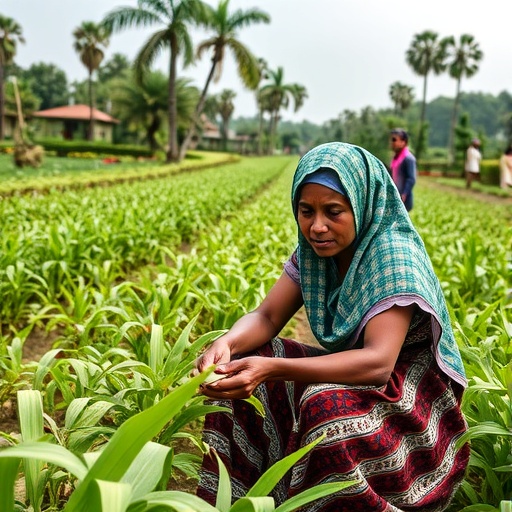
In recent years, the roles of women in agriculture, particularly in rural regions, have received significant attention as a pivotal element in achieving sustainable development goals (SDGs) by 2030. The contribution of women to agricultural productivity is often overlooked, yet it forms the bedrock of food security, community resilience, and socio-economic stability. The intersection of gender equity and sustainable livelihoods represents a critical frontier in agricultural research and practice. This narrative aims to shed light on the transformative potential of women-led agricultural initiatives and how they can catalyze the intended zero hunger and poverty reduction targets associated with the United Nations’ SDGs.
Agriculture is undeniably the backbone of many rural economies, particularly in developing countries. Evidence shows that women play a substantial role not only as cultivators but also as guardians of agricultural biodiversity. Through their unique knowledge systems and traditional practices, women contribute to sustainable agricultural methodologies that enhance productivity without compromising the ecological balance. They are often the custodians of local seeds and agricultural traditions. This knowledge is vital, as it helps communities adapt to climate changes and promotes sustainable practices that can enhance food security.
Gender-specific barriers still hinder women’s full participation in agricultural endeavors. Women generally have limited access to land, credit, extension services, and markets compared to their male counterparts. This disparity impedes their ability to invest in high-yielding crop varieties or sustainable farming techniques and to take on leadership roles within agricultural cooperatives or community organizations. Addressing these barriers is essential for transitioning towards more equitable agricultural systems that empower women.
Technology plays a pivotal role in bridging the gender gap in agriculture. The advent of mobile technology and digital platforms has opened up new pathways for women entrepreneurs in rural areas. Access to information regarding weather patterns, market rates, and sustainable farming practices via mobile devices can enhance their decision-making skills and increase agricultural productivity. Moreover, digital platforms can connect women producers with larger markets, enabling them to sell their products directly and increase their incomes. Such initiatives provide a tangible blueprint for a more inclusive agricultural economy, emphasizing that equal access to technology can significantly uplift rural women’s livelihoods.
Education is another crucial component in strengthening women’s roles in agriculture. Training programs tailored to female farmers can empower them with the skills needed to adopt modern agricultural practices. Agronomy, pest management, and sustainable farming methods can significantly increase yields and promote environmental stewardship. Furthermore, education promotes self-confidence, enabling women to negotiate better terms in their farming operations and seek leadership roles within community settings.
Moreover, women-headed agricultural organizations are becoming increasingly common. These organizations serve as powerful platforms for advocacy, skill development, and resource sharing. They offer grouped access to funding, technical assistance, and training, creating a solid network for women farmers. By leveraging these platforms, women can amplify their voices and demand necessary policy changes that recognize their contributions and address their unique challenges within agricultural sectors.
Sustainable agricultural practices led by women can also amplify social cohesion in rural communities. Women often act as community builders, sharing knowledge and resources and fostering a collaborative spirit. Their vital role in nurturing networks leads to communal learning environments where sustainable practices can flourish. This transition towards community-led agricultural methodologies can yield impactful results in promoting food sovereignty, reinforcing local economies, and enhancing biodiversity.
Additionally, reproductive health rights and gender equity in reproductive responsibilities directly influence women’s participation in agriculture. Societal expectations often place disproportionate caregiving burdens on women, reducing their time and capacity to engage in farming activities. Recognizing the critical interplay between reproductive rights and economic activity is essential for achieving a sustainable agricultural workforce led by women. Enabling policies that provide equitable support systems, such as childcare facilities and flexible working arrangements, can positively impact women’s economic engagement in agriculture.
Furthermore, the acknowledgment of indigenous knowledge systems and sustainable practices among women cannot be overstated. Women’s contributions to environmental conservation, knowledge transmission, and sustainable farming practices are deeply rooted in their cultural heritage. Governments and organizations must recognize and integrate this knowledge into agricultural policies and programs. This approach not only respects women’s roles in these societies but also reinforces the validity of their traditional practices in market-oriented and sustainable farming systems.
Numerous success stories have emerged from women-led initiatives across various regions. For instance, a cooperative of female farmers in India has adopted organic farming techniques that have compensated for losses caused by climate variability. These women have instigated practice-sharing programs, allowing neighboring farmers to benefit from their knowledge. Their newfound income stability has enhanced local economies, showcasing how empowering women can have a multiplier effect on sustainable development goals.
The pathways to achieving sustainable agricultural livelihoods for women are multi-faceted and interconnected. Advocacy for gender-responsive agricultural policies is crucial, ensuring comprehensive support systems that dismantle structural barriers. Enhanced investment in rural women’s education, technology access, and social programs is vital. By prioritizing women’s empowerment in agriculture, countries can opt for a transformative approach that aligns with the overarching goals of sustainable development.
The international development community must prioritize women-led agricultural initiatives, encouraging countries to invest in programs specifically targeting the empowerment of women in rural areas. Collaborative efforts that mobilize resources towards gender equity can catalyze significant changes. Fostering partnerships between governments, NGOs, and public sectors will create an enabling environment where women’s contributions to agriculture and sustainable livelihoods are recognized and supported.
To encapsulate, the path to achieving sustainable development goals hinges significantly on women’s leadership in agricultural practices. Recognizing the central role of women in sustainable agricultural systems is imperative for the global agenda. By bridging gender gaps, promoting equitable access to resources, and fostering community-driven initiatives, we can pave the way for resilient food systems that honor the contributions of women in rural landscapes. This is not just a gender issue; it’s an economic and societal imperative that could transform our approach to sustainability and development worldwide.
Subject of Research: Women’s roles in sustainable agriculture
Article Title: Women-led and rural sustainable agricultural livelihoods pathways to achieving sustainable development goals by 2030.
Article References:
Naika, R., Pawar, S. Women-led and rural sustainable agricultural livelihoods pathways to achieving sustainable development goals by 2030.
Discov glob soc 4, 3 (2026). https://doi.org/10.1007/s44282-025-00313-2
Image Credits: AI Generated
DOI: https://doi.org/10.1007/s44282-025-00313-2
Keywords: Women in agriculture, sustainable development goals, gender equity, rural livelihoods, technology in farming, education, community organizations, indigenous knowledge, reproductive rights, organic farming, economic empowerment.


