

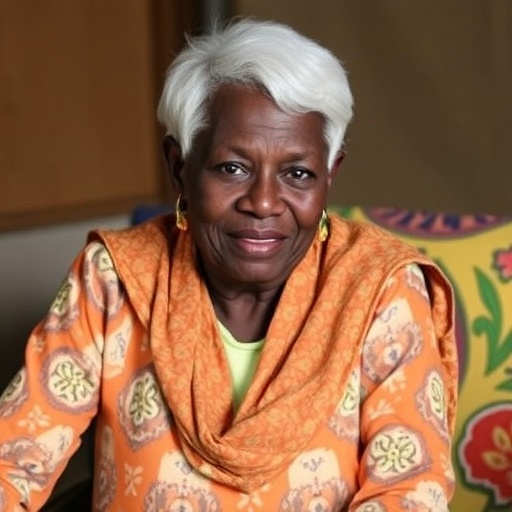
In recent years, the global spotlight has increasingly turned to the critical issue of elder care, particularly within diverse cultural contexts. The dynamics surrounding the care of the elderly in Africa are multifaceted and shaped by a blend of traditional practices, socioeconomic factors, and the evolving nature of modernity. As our societies age, the question of how we care for our elderly citizens becomes not only a matter of ethics but also an indicative marker of societal values and priorities. A compelling integrative review conducted by Mpofu, Moyo, and Mavhandu-Mudzusi sheds light on the intricacies of caring for the elderly within the African continent, offering insights that could resonate globally.
Within the African context, elder care is often deeply rooted in family-oriented traditions. Historically, the responsibility of caring for aging individuals has predominantly fallen on family members. This tradition emphasizes the communal structures that define many African societies, where respect for the elderly is not just a cultural norm but a moral obligation. However, this traditional model faces challenges posed by urbanization and the migratory patterns of younger generations seeking employment opportunities in cities. As a result, many elderly individuals find themselves increasingly isolated, sparking a pressing concern about how to bridge these gaps in care.
Moreover, socioeconomic challenges play a crucial role in the quality of elder care offered across various African nations. Economic disparities often mean that reliable healthcare access, nutrition, and social services are grossly inadequate for the aging population. The review highlights that in many instances, the healthcare systems are ill-equipped to manage chronic diseases prevalent among older adults, further exacerbating their vulnerability. As chronic illnesses like diabetes, hypertension, and arthritis become more commonplace, the need for specialized and accessible healthcare solutions becomes acute.
In addressing these pressing challenges, the authors of the review propose a multi-dimensional strategy aimed at enhancing elder care on the continent. New policy frameworks must prioritize the inclusion of traditional care values while integrating modern healthcare systems to create a cohesive model that respects cultural norms while delivering necessary medical attention. This dual approach acknowledges the importance of familial and community support while also recognizing the necessity of professional medical care, thus creating a more holistic environment for the elderly.
Psychological dimensions of elder care cannot be overstated. The review emphasizes that emotional and psychological well-being is integral to the overall health of older adults. Loneliness and depression among the elderly is a growing concern, especially in urban areas where familial structures are strained. Implementing community programs aimed at fostering social interaction can help combat these issues. Community centers and recreational activities tailored for older adults can strengthen social networks and encourage a sense of belonging, vital for mental health.
Additionally, the importance of education and awareness surrounding elder care practices is highlighted. There is a critical need for training programs aimed not just at healthcare professionals, but also at families providing care. By equipping caregivers with knowledge about health management, elder rights, and effective communication, we can foster a more informed approach to elder care. Such initiatives can promote dignity and respect for the elderly, enhancing their quality of life.
The intersection of technology and elder care also presents a transformative potential. Innovations such as telemedicine, mobile health applications, and assistive devices can significantly ease the burden on caregivers and improve access to care for the elderly. The review emphasizes that leveraging technology can pave the way for more proactive healthcare measures, allowing older adults to manage their health better and stay connected with the support they need.
Culturally sensitive care is another essential aspect addressed in the review. Recognizing and respecting the diverse backgrounds of older adults can lead to more personalized and effective care plans. Training caregivers to appreciate cultural nuances ensures that care practices are not only technically sound but also relevant and considerate of the unique identities of the individuals they serve.
In conclusion, the integrative review by Mpofu, Moyo, and Mavhandu-Mudzusi brings to the forefront crucial insights on elder care within the African context. It underscores the need for an integrated approach that combines traditional values with modern healthcare practices while considering the psychological, social, and technological dimensions of care. As populations around the world continue to age, embracing these multifaceted strategies will be vital in creating supportive environments that foster dignity, respect, and well-being among the elderly.
Going forward, collaborative efforts between governments, non-governmental organizations, and communities are crucial in building frameworks that not only support the elderly but also enhance the lives of families tasked with their care.
Ultimately, the review serves as a clarion call to reevaluate our approach to elder care, acknowledging that how we treat our elders reflects the very fabric of our societies.
Subject of Research: Elder care in the African context.
Article Title: Caring for the elderly in the African context: an integrative review.
Article References:
Mpofu, L., Moyo, I. & Mavhandu-Mudzusi, A.H. Caring for the elderly in the African context: an integrative review. Discov glob soc 3, 127 (2025). https://doi.org/10.1007/s44282-025-00219-z
Image Credits: AI Generated
DOI: https://doi.org/10.1007/s44282-025-00219-z
Keywords: Elder care, Africa, family values, healthcare systems, psychological well-being, technology in elder care, cultural sensitivity, chronic diseases, community support.


