


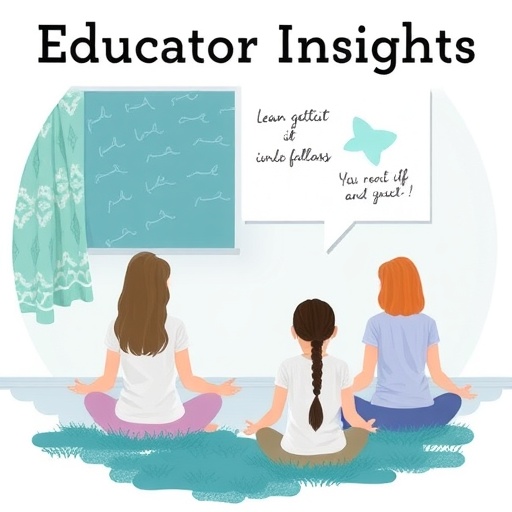
In recent years, the incorporation of wellness practices into educational settings has gained momentum, with mindfulness and yoga increasingly recognized for their potential benefits in enhancing both teacher and student experiences. A pioneering study conducted by researchers Wilkin, Thornton, and Allen-Baker sheds light on the effectiveness and application of teacher-led yoga and mindfulness programs specifically within the Key Stage 1 classroom. This groundbreaking research not only explores the attitudes of educators in North-East England but also examines the broader implications of integrating such practices into early childhood education.
As modern classrooms face the challenge of fostering emotional and mental well-being alongside academic achievement, educators are exploring innovative strategies to create a harmonious learning environment. The study highlights how teacher-led yoga and mindfulness sessions can serve as vital tools in addressing rising concerns around stress and anxiety among both educators and their young students. By providing a structured approach to mental health within the classroom, these practices can significantly contribute to a nurturing atmosphere conducive to learning.
The research encapsulates a survey conducted among educators in North-East England, attempting to evaluate their experiences and perceptions surrounding the implementation of mindfulness and yoga practices. Participants noted that the incorporation of these holistic approaches not only enhanced their personal well-being but also positively impacted classroom dynamics, leading to improved student engagement and behavior. Such findings suggest that implementing brief mindfulness exercises and yoga can help create a calmer environment, which is essential for young learners who are just beginning to navigate their academic journeys.
Educators expressed a multitude of benefits from integrating mindfulness and yoga into their daily routines, notably improved focus and reduced stress levels. The proactive engagement of teachers in their own wellness practices sets a powerful example for students, teaching them the importance of self-care and mental health from an early age. This alignment between educator well-being and student success is a crucial aspect addressed in the study, emphasizing that educators who prioritize their own mental health can foster a stronger learning environment.
Moreover, the study reveals that teacher-led yoga and mindfulness practices are not merely an academic trend but rather a necessity in nurturing emotional resilience among both teachers and students. Educators reported that guided breathing exercises and simple yoga postures could interrupt negative thought cycles and reduce classroom stressors, contributing to enhanced student focus and receptivity to learning. This reflects a growing recognition that mental wellness is integral to academic success and should be prioritized in early education settings.
The implications of this research extend beyond individual classrooms, suggesting a shift in educational policy towards integrating mindfulness and wellness programs into standard curricula. By acknowledging the critical link between emotional health and educational outcomes, policymakers can support initiatives that promote mental wellness in schools. The findings advocate for an expanded framework in which mindfulness practices are embedded within existing subjects, allowing all students to benefit from these valuable strategies.
As the study emphasizes, successful implementation of yoga and mindfulness in classrooms may also require appropriate training and resources for educators. Providing teachers with professional development in these areas is essential in creating effective and sustainable programs. Without proper guidance and support, the potential benefits of yoga and mindfulness practices may be diminished, underscoring the importance of equipping educators with the tools they need to lead these sessions competently.
The evolving landscape of education necessitates that educators embrace innovative strategies that prioritize holistic development. The research calls into question traditional pedagogical methods, advocating for a balanced approach that includes emotional and mental wellness alongside academic instruction. By doing so, educators can cultivate not only informed students but also emotionally intelligent individuals who are prepared to navigate the complexities of modern society.
The findings from Wilkin et al.’s study resonate with ongoing discussions among educators, mental health professionals, and researchers rallying for a more integrated approach to education. As awareness surrounding mental health challenges rises, it becomes increasingly clear that support systems must be woven into the fabric of daily educational activities. This approach reinforces the idea that schools are not just institutions for academic learning but also crucial environments for fostering emotional growth and resilience.
In conclusion, the implementation of teacher-led yoga and mindfulness practices represents a transformative opportunity for early education. As the findings from this study illustrate, the benefits extend far beyond the classroom, affecting the holistic development of students and educators alike. As education moves forward in an increasingly complex world, integrating mindfulness and well-being practices may not only enhance academic performance but also contribute to healthier, well-rounded individuals equipped to face future challenges with confidence and grace.
Wilkin, K., Thornton, C. & Allen-Baker, G. Correction: Teacher-Led Yoga/Mindfulness in the Key Stage 1 Classroom. Survey of Educators Across North-East England. Early Childhood Educ J (2025). https://doi.org/10.1007/s10643-025-02061-z
Cite Scienmag News
Glenn Wilkins. (November 9, 2025). Educator Insights: Yoga and Mindfulness in Classrooms. Scienmag. https://scienmag.com/educator-insights-yoga-and-mindfulness-in-classrooms/
Glenn Wilkins. "Educator Insights: Yoga and Mindfulness in Classrooms." Scienmag, 9 November 2025, https://scienmag.com/educator-insights-yoga-and-mindfulness-in-classrooms/. Accessed 5 September 2026.
Glenn Wilkins. "Educator Insights: Yoga and Mindfulness in Classrooms." Scienmag. November 9, 2025. https://scienmag.com/educator-insights-yoga-and-mindfulness-in-classrooms/


