

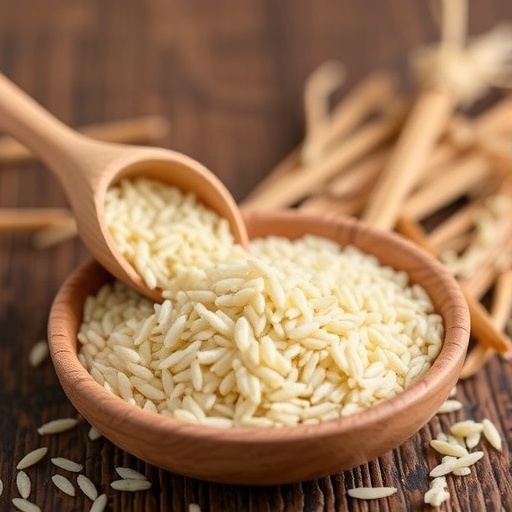
In recent years, the food industry has faced increasing pressure to adopt more sustainable practices. One particularly compelling area of innovation is the thermomechanical stabilization of rice bran through extrusion. This process not only enhances the shelf life of rice bran but also ensures that this byproduct is effectively utilized in circular food systems, where waste is minimized and the value of food ingredients is maximized. Researchers Patiño-Rodríguez and Bello-Pérez have recently explored this promising avenue, providing insights that are vital for both the food industry and environmental sustainability.
Rice bran is a nutritional powerhouse, rich in bioactive compounds that have beneficial health properties. These compounds include antioxidants, vitamins, and lipids that can enhance human health. However, rice bran is often overlooked due to its short shelf life and susceptibility to spoilage. Traditionally considered a waste product, researchers are now recognizing its potential as a valuable ingredient in food formulations. With proper stabilization techniques, its bioactive compounds can be preserved, allowing the bran to be incorporated into various food products.
Extrusion, as a method, combines heat and mechanical pressure to transform materials into a desired form. In the context of rice bran, it facilitates the gelatinization of starches and the denaturation of proteins, creating a product that is not only stable but also palatable for consumption. The technique enables the breaking down of cell walls in rice bran, thereby maximizing the bioavailability of its nutrients. By extruding rice bran, manufacturers can create functional ingredients that contribute significantly to the nutritional quality of food products.
Patiño-Rodríguez and Bello-Pérez’s analysis details how thermomechanical stabilization through extrusion can mitigate the challenges associated with the consumption of rice bran. Their research demonstrates that this innovative method enhances the solubility and digestibility of nutrients found in rice bran. This finding opens new doors for the incorporation of rice bran in health-focused dietary trends, such as gluten-free and high-fiber diets. Furthermore, the researchers note that such advancements also align with the principles of circular economy where resource efficiency and sustainability are prioritized.
The findings reflect the broader movement towards creating more sustainable food systems. Circular food systems aim to minimize waste and make the most out of every ingredient—values that resonate deeply with modern consumers. As the environmental consequences of food production become increasingly concerning, innovations like those highlighted in this study represent a shift toward more responsible consumption practices. Companies can leverage stabilized rice bran to enhance their products while contributing positively to sustainability.
Moreover, the study provides suggestions on optimizing the extrusion process itself. Parameters such as temperature, moisture content, and extrusion speed can all influence the quality of the final product. By carefully tuning these conditions, the researchers found that the nutritional profile of rice bran could be significantly enhanced, thus facilitating a higher retention of its beneficial compounds. This meticulous approach underscores the importance of scientific research in developing food processing technologies that not only ensure safety and quality but also yield nutritionally enriching ingredients.
The environmental impact of food production is firmly under scrutiny, with calls for more eco-friendly practices. The thermomechanical stabilization of rice bran presents an avenue for reducing waste by transforming a byproduct into a valuable food ingredient. This innovative process has the potential to decrease the carbon footprint associated with traditional waste disposal methods while simultaneously enriching the nutritional value of various food products. It’s a prime example of how food science and sustainability can intertwine to create beneficial solutions for both industry and consumers alike.
As consumers grow more conscious of the ingredients in their food, the demand for transparency and sustainability is on the rise. Brands that incorporate fortified ingredients such as stabilized rice bran are likely to resonate more with health-conscious consumers. Patiño-Rodríguez and Bello-Pérez’s research emphasizes that utilizing extruded rice bran not only caters to nutritional needs but also bolsters a brand’s commitment to sustainability, thus enhancing marketability.
In conclusion, the thermomechanical stabilization of rice bran through extrusion represents a cutting-edge approach to food innovation that could lead to significant advancements in how we think about food waste. By emphasizing the importance of a circular economy in food systems, researchers are paving the way for a future in which every ingredient is valued, and waste is minimized. As the food industry continues to evolve, studies like these hold the key to unlocking sustainable practices that could benefit society at large.
The research also highlights the potential for collaboration between academia and the food industry. With an increasing number of consumers seeking sustainable products, companies may stand to gain a competitive edge by integrating innovations such as thermomechanically stabilized rice bran into their manufacturing processes. This collaboration can further fuel the advancement of scientific knowledge and practical applications that ultimately enhance food security and promote environmental stewardship, ensuring that we leave a healthier planet for future generations.
In summary, the journey of rice bran from an overlooked byproduct to a sought-after ingredient is emblematic of the broader transformations occurring in the food industry as it adapts to meet contemporary health and sustainability challenges. This evolution is not merely a trend but a necessary transition toward a more responsible, sustainable, and health-conscious food system. As research continues to unveil the potential of underutilized ingredients like rice bran, the possibilities for innovation in food science are both exciting and boundless.
Subject of Research: Thermomechanical Stabilization of Rice Bran by Extrusion
Article Title: Thermomechanical Stabilization of Rice Bran by Extrusion: A Sustainable Strategy for Bioactive Ingredient Development in Circular Food Systems
Article References:
Patiño-Rodríguez, O., Bello-Pérez, L.A. Thermomechanical Stabilization of Rice Bran by Extrusion: A Sustainable Strategy for Bioactive Ingredient Development in Circular Food Systems.
Waste Biomass Valor (2025). https://doi.org/10.1007/s12649-025-03446-2
Image Credits: AI Generated
DOI: https://doi.org/10.1007/s12649-025-03446-2
Keywords: Rice Bran, Thermomechanical Stabilization, Extrusion, Bioactive Ingredients, Sustainable Food Systems, Circular Economy.


