

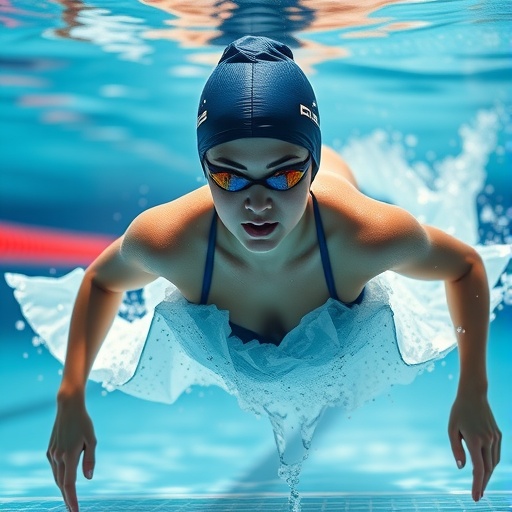
The landscape of athletics is vast and diverse, yet one area that has garnered increasing attention is that of aquatic sports. Recently, a comprehensive investigation into the prevalence of eating disorders among aquatic athletes has emerged, revealing startling insights that underline the intersection between sports, culture, and mental health. This research, spearheaded by a team of scholars, including Satapathy, Sahu, and Khatib, ventures into the depths of an often-untouched subject that is rarely discussed in the context of water sports. The study serves not only as a wake-up call but also as a vital resource for coaches, athletes, and healthcare professionals alike.
Aquatic athletes, including swimmers, divers, and water polo players, often face immense pressure to perform at their peak. This pressure can be exacerbated by societal standards around body image and weight. As the study points out, many of these athletes strive for the “ideal” physique that they believe will optimize their performance. This pursuit can lead to disordered eating behaviors that vary from restrictive eating to binge eating and everything in between. The findings of this systematic review and meta-analysis highlight that this problem is not just individual but systemic and pervasive within aquatic sports.
The research unearths a shocking statistic: the prevalence of eating disorders among aquatic athletes is significantly higher than in the general population. This crosses various disciplines within water sports, suggesting a common cultural undercurrent that may contribute to the development of these disorders. It brings forth a conversation regarding whether such behaviors are normalized within the competitive realm of aquatic sports, where athletes may feel compelled to sacrifice their health for the sake of performance. This revelation opens the door to further inquiry into the psychological implications of elite training environments.
A critical component of the analysis includes exploring the reasons driving these disordered eating patterns. Social media, peer comparisons, and the drive for perfection play pivotal roles in influencing athletes’ perceptions of their bodies and eating habits. The research elucidates how social media has the potential to perpetuate harmful stereotypes and ideals, making it increasingly challenging for these athletes to navigate their own self-worth in relation to their performance and appearance.
Moreover, the study emphasizes the importance of awareness and intervention. Coaches, trainers, and sports psychologists must receive proper training to identify early signs of eating disorders in their athletes. By fostering an environment that promotes mental wellness and healthy body image, sports organizations can shift the narrative around what it means to be a competitive athlete. This includes essential education on nutrition that prioritizes health over aesthetics and promotes overall well-being.
The meta-analysis synthesizes data from various studies, offering a robust overview of the prevalence and types of eating disorders found among aquatic athletes. Notably, the research includes case studies that paint a vivid picture of the personal struggles faced by individuals. These narratives serve to humanize the statistics, reminding stakeholders of the real-world implications of disordered eating. The empathetic lens of these stories forms a crucial part of the discourse, emphasizing the need for a supportive network around athletes.
Peeling back the layers surrounding this issue reveals the role of gender dynamics. Female aquatic athletes appear particularly vulnerable, facing heightened scrutiny regarding their appearance compared to their male counterparts. This discrepancy raises questions about the culture within aquatic sport and the broader implications of gendered expectations. Equitable treatment and support systems are essential to dismantle harmful standards and to foster an environment conducive to health for all athletes.
Moreover, the findings underscore that addressing mental health within sports cannot occur in isolation. The complex interplay of performance pressure, societal expectations, and personal aspirations necessitates a multifaceted approach. Institutions associated with these sports must collaborate not only on a structural level but also engage with mental health professionals to devise comprehensive strategies that address both prevention and treatment.
The research also opens the dialogue about the broader implications for sports governance. It calls for regulatory bodies to establish clearer guidelines on mental health resources available to athletes. This could include mandatory psychological assessments for athletes at various levels of competition, creating an open channel for support that is integrated within team dynamics.
As aquatic sports continue to grow globally, the watershed moment brought forward by this research reveals the urgent need for change. Athletes, coaches, and organizations must collectively prioritize mental wellness and implement strategies that protect their athletes’ health and well-being. The ultimate goal should be to nurture a culture that champions resilience, support, and understanding over perfection.
The study not only provides a roadmap for future research but also beckons a collaborative effort across disciplines to champion the mental health of athletes. Engaging in open discussions about eating disorders and encouraging transparency will be essential in combating this epidemic within aquatic sports. The implications extend far beyond the realm of sports, touching upon fundamental aspects of health, identity, and personal worth.
In a world increasingly dominated by performance metrics and competitive spirit, the message of this systematic review reverberates strongly: taking care of the mind and body must take precedence over mere athletic achievement. As followers of aquatic sports, we have the collective responsibility to advocate for those who compete in these arenas, ensuring that they know their worth is not solely tied to their performance, but also to their overall well-being.
The conversation surrounding eating disorders in aquatic athletes is far from over, but thanks to the pioneering work of researchers like Satapathy, Sahu, and Khatib, it has been thrust into the limelight. As we move forward, understanding will cultivate empathy, and empathy can lead to meaningful change—making a lasting impact on the lives of countless athletes.
In conclusion, the systematic review and meta-analysis act as both a revelation and a call to action. It provides a foundation upon which future dialogue can flourish and drives the momentum necessary for change within the aquatic sports community. The onus is now on all stakeholders to ensure that athletes can safely pursue their passions without sacrificing their health in the process.
Subject of Research: Eating disorders in aquatic athletes.
Article Title: Prevalence of eating disorders in aquatic athletes: a systematic review and meta-analysis.
Article References:
Satapathy, P., Sahu, S.S., Khatib, M.N. et al. Prevalence of eating disorders in aquatic athletes: a systematic review and meta-analysis.
Ann Gen Psychiatry 24, 33 (2025). https://doi.org/10.1186/s12991-025-00564-y
Image Credits: AI Generated
DOI: https://doi.org/10.1186/s12991-025-00564-y
Keywords: Eating disorders, aquatic athletes, mental health, systematic review, performance pressure.


