


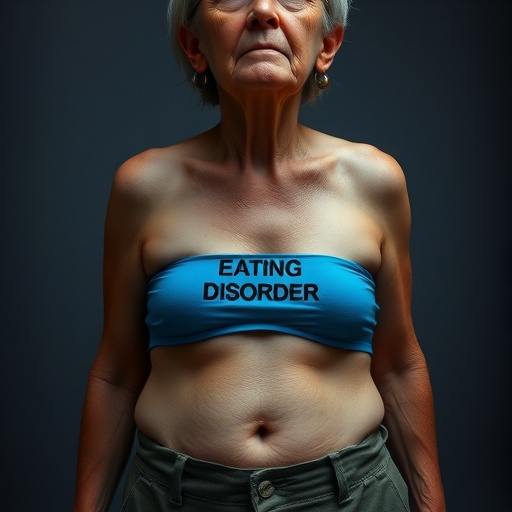
A new clinical study published in BMC Geriatrics is drawing attention to a potentially overlooked connection in later life: the relationship between eating disorder–related attitudes and the physical decline that precedes frailty. The research, led by M.E. Çıtar Dazıroğlu, Ş. Akpınar Şentüre and E. Çataltepe and colleagues, examines whether attitudes associated with disordered eating may help identify older adults at risk of becoming pre-frail or frail. Its focus places nutrition, psychological health and geriatric medicine within the same clinical conversation.
Frailty is not simply a synonym for old age. It is a medical condition involving reduced physiological reserve, meaning that the body has less capacity to recover from stress such as infection, injury, hospitalization or sudden weight loss. Pre-frailty represents an intermediate stage in which this vulnerability is emerging but may still be modifiable. Clinicians commonly evaluate features such as weakness, exhaustion, slowed movement, reduced physical activity and unintentional weight loss when assessing the progression toward frailty.
The study’s central question is significant because eating-related problems in older adults can be difficult to recognize. Public discussions of eating disorders often focus on adolescents and young adults, while older people may be assessed primarily for chronic disease, medication use or nutritional deficiency. Yet attitudes toward food, body shape, weight control and eating may remain clinically important across the lifespan. These attitudes can influence dietary intake, meal patterns, willingness to seek help and the ability to maintain adequate energy and protein consumption.
A key technical distinction in the research is the difference between an eating disorder diagnosis and eating disorder–related attitudes. A person does not necessarily need to meet the full diagnostic criteria for anorexia nervosa, bulimia nervosa or binge-eating disorder to display harmful beliefs or behaviors surrounding food and weight. Subclinical patterns, including restrictive eating, intense concern about body shape or rigid dietary rules, may still affect nutritional status and physical resilience. Studying these traits could therefore reveal risk signals that conventional geriatric screening overlooks.
The researchers describe their work as a cross-sectional clinical study, a design that examines participants and relevant characteristics at a particular point in time. This approach can show whether eating-related attitudes and pre-frailty or frailty occur together within a clinical population. It is useful for identifying associations and generating hypotheses, but it cannot establish that one factor directly causes the other. Longitudinal research, in which participants are followed over time, would be needed to determine whether specific eating-related attitudes predict a later transition from robust health to pre-frailty or frailty.
The possible mechanisms behind such a relationship are biologically plausible. Restrictive intake may reduce the supply of protein, vitamins and energy required to preserve skeletal muscle. In older adults, this can compound age-related muscle loss, a process known as sarcopenia. Inadequate nutrition may also impair immune function, wound healing and metabolic stability. At the same time, frailty itself can alter appetite, mobility, mood and independence, creating a feedback loop in which physical decline makes eating more difficult and inadequate intake accelerates further decline.
Psychological factors may intensify that loop. Anxiety about weight gain, dissatisfaction with body image or fear of certain foods can lead to avoidance and dietary narrowing. Older adults may also experience depression, social isolation, dental problems, swallowing difficulties or financial constraints, all of which can influence eating behavior. When these factors overlap, a patient’s reduced food intake may be attributed solely to aging or illness, allowing disordered attitudes to remain undetected.
The study’s subject is especially timely as populations age and healthcare systems seek earlier ways to prevent disability. Frailty is associated with falls, hospitalization, loss of independence and increased mortality, but it is not always irreversible. Exercise programs, resistance training, nutrition support and treatment of underlying medical conditions can improve function in some patients. If eating disorder–related attitudes are shown to help predict vulnerability, geriatric assessments may need to include carefully worded questions about food beliefs, restrictive behaviors and concerns about body weight.
The findings should be interpreted within the limits of the information available from the published citation and study design. The citation identifies the research question, the clinical and cross-sectional nature of the investigation, and its publication in BMC Geriatrics, but it does not provide the sample size, measurement tools, statistical results or effect estimates. Those details are essential for judging how strong the reported association is and whether it applies broadly to older adults or primarily to a particular clinical population. Even so, the research highlights an important message for viral health discussions: frailty may not be only a matter of muscles and mobility, but also of how people think about food.
By bringing eating-related psychology into the assessment of aging, the study opens a path toward more integrated care. Doctors, dietitians, mental-health professionals and physiotherapists may need to work together when an older patient shows weight loss, weakness or declining activity. Recognizing problematic attitudes early could support interventions that protect both nutritional health and physical function. The broader implication is clear: understanding frailty requires looking beyond visible symptoms to the behaviors and beliefs that shape how older adults nourish—and ultimately sustain—their bodies.
Cite Scienmag News
Beatrice Stafford. (August 1, 2026). Eating Disorder Attitudes May Predict Prefrailty and Frailty in Older Adults. Scienmag. https://scienmag.com/eating-disorder-attitudes-may-predict-prefrailty-and-frailty-in-older-adults/
Beatrice Stafford. "Eating Disorder Attitudes May Predict Prefrailty and Frailty in Older Adults." Scienmag, 1 August 2026, https://scienmag.com/eating-disorder-attitudes-may-predict-prefrailty-and-frailty-in-older-adults/. Accessed 4 September 2026.
Beatrice Stafford. "Eating Disorder Attitudes May Predict Prefrailty and Frailty in Older Adults." Scienmag. August 1, 2026. https://scienmag.com/eating-disorder-attitudes-may-predict-prefrailty-and-frailty-in-older-adults/


