

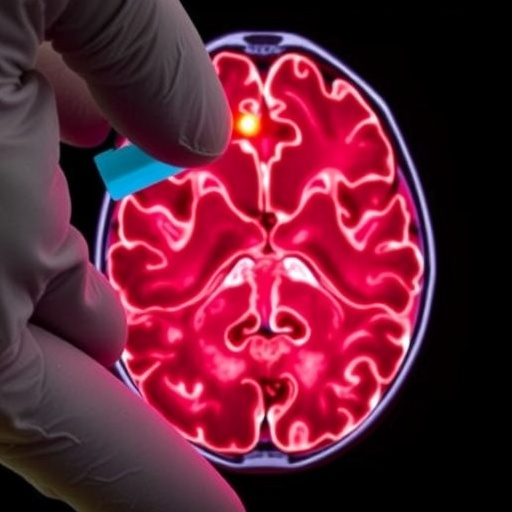
A groundbreaking clinical trial led by researchers at the University of Auckland has delivered unexpected results that challenge long-held beliefs about post-stroke rehabilitation. The study, published in Brain Communications, evaluated whether initiating high-intensity therapy targeting hand and arm recovery within two weeks of stroke onset offers superior benefits compared to standard care. Contrary to prevailing assumptions that “more therapy, earlier” automatically translates to better functional outcomes, the trial’s data revealed no additional advantage from intensified interventions during the early recovery window.
The trial, termed ESPRESSo (Enhancing Spontaneous Recovery after Stroke), enrolled 64 stroke survivors who were enrolled during the critical early phase of stroke recovery. Patients were carefully selected based on a biomarker closely associated with the potential for hand and arm restoration, regardless of symptom severity. This stratification represents a novel approach, emphasizing biological readiness over generic timing in rehabilitation research. Participants were randomized to receive either a digitally mediated, immersive videogame-based therapy that encouraged repetitive, exploratory upper limb movements or an equivalent dose of conventional, therapist-led rehabilitation. Both groups underwent 90 minutes of additional therapy daily for 15 consecutive weekdays, complementing standard care.
Despite this rigorous protocol, the primary endpoint results at three months post-intervention demonstrated no significant differences in motor recovery between the intensified therapy groups and a historical control cohort receiving only standard rehabilitation. The immersive videogame platform, featuring aquatic animations guided by patient movements, was well-received and engaging, but did not translate into improved clinical outcomes beyond standard treatment. Likewise, the conventional extra-therapy group exhibited gains indistinguishable from control patients. These findings suggest that early after a stroke, intrinsic biological recovery processes exert a dominant influence, rendering augmented therapy doses during this phase less impactful.
Professor Winston Byblow, the neuroscientist spearheading the study, explained that while notable improvements in motor function were observed across all patients, the timing of therapy intensity appears critical. “The early phase post-stroke is characterized by robust spontaneous biological repair mechanisms,” Byblow noted. “Our results imply that pushing additional therapy during this period does not further accelerate recovery but may be better targeted once these intrinsic processes taper off.” This reframing underscores the importance of understanding the distinct phases of neural repair, and tailoring rehabilitation accordingly rather than adopting a one-size-fits-all approach.
The underlying neurophysiological basis of early stroke recovery involves dynamic changes in cortical excitability, synaptic plasticity, and neural network reorganization. These intrinsic mechanisms facilitate significant spontaneous recovery in the initial weeks, which is often underappreciated in clinical practice. ESPRESSo’s precision-based participant selection via biomarkers enabled the observation of this consistent recovery trajectory across all therapy groups, offering compelling evidence that biology—not simply therapy volume—drives early motor restoration. Although intensive therapies have shown dramatic results in preclinical animal models, translating these findings to clinical populations requires consideration of this nuanced biological context.
Importantly, the study highlights that rehabilitation remains crucial, but its optimal delivery must align with the patient’s capacity to participate. Early post-stroke survivors frequently contend with fatigue, medical instability, and the challenge of simultaneous rehabilitation priorities, complicating the feasibility of intensive regimens. The ESPRESSo trial affirms that while intensive activity-based therapy can be delivered through innovative digital platforms that enhance patient engagement and enjoyment, the timing and dosage must be judiciously calibrated. Excessive early rehabilitation may yield diminishing returns relative to the natural time course of neuronal recovery.
This paradigm shift in stroke rehabilitation emphasizes distributing therapy intensity adaptively over time. Byblow suggests prioritizing biological or pharmacological interventions to support neural repair during the very early phase, potentially complementing lower-dose physical therapy. Then, as spontaneous recovery plateaus, increasing therapy intensity might harness residual neuroplasticity mechanisms to enhance functional gains. Such a stepwise model also considers patient tolerance and logistical constraints, improving rehabilitation accessibility and adherence.
The ESPRESSo trial represents the first major randomized controlled study integrating biomarker-informed patient stratification with novel digital therapy delivery within a tightly controlled timeframe. Conducted at Auckland City Hospital from 2021 to 2024, its rigorous design and blinded assessments provide robust evidence applicable to modern stroke care settings. The research team included international collaborators from Johns Hopkins University, New York Medical College, UCLA, the University of Adelaide, and MindMaze SA, exemplifying multidisciplinary, multinational cooperation to address a critical global health challenge.
Beyond its clinical insights, the trial underscores the transformative potential of digital therapeutics in stroke rehabilitation. The videogame-based therapy system actively engaged patients through exploratory hand and arm movements controlling animated aquatic creatures, reflecting a growing trend to combine neuroscience with technology for immersive recovery experiences. Although the trial showed equivalent efficacy to conventional physical therapy, the platform’s scalability and patient acceptance offer promising avenues for future rehabilitative innovation, especially in resource-limited contexts.
In summary, this seminal investigation calls for a recalibration of stroke rehabilitation strategies, emphasizing biology-driven timing over indiscriminate intensity escalation. It cautions clinicians and health systems against overemphasizing early therapy volume at the expense of patient capacity and natural recovery dynamics. Future research will be vital to explore targeted biological interventions during the acute phase and to optimize timing for intensive activity-based rehabilitation, ultimately improving long-term functional independence and quality of life for stroke survivors.
Subject of Research: People
Article Title: Enhancing spontaneous recovery after stroke: A randomised controlled trial
News Publication Date: 26-Mar-2026
Web References:
http://dx.doi.org/10.1093/braincomms/fcag057
Image Credits: Photo: University of Auckland
Keywords: Stroke Rehabilitation, Upper Limb Recovery, High-Intensity Therapy, Spontaneous Recovery, Biomarker-Based Patient Selection, Digital Therapeutics, Neuroplasticity, Randomized Controlled Trial, Motor Recovery, Immersive Therapy, Stroke Rehabilitation Timing, Clinical Trial


