

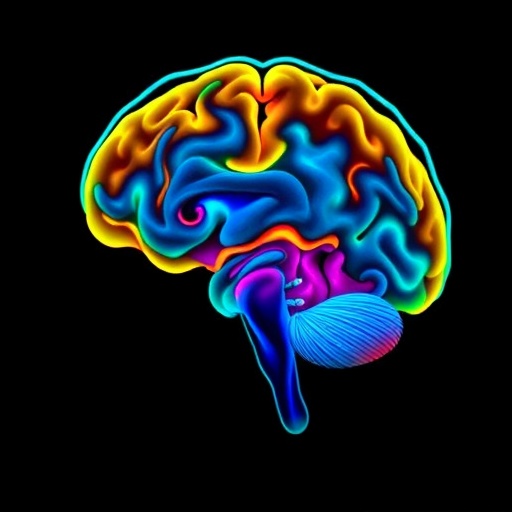
In a groundbreaking study published in Translational Psychiatry, researchers have unveiled crucial insights into the early functional alterations and plasma biomarker dynamics in Swedish families harboring autosomal dominant Alzheimer’s disease (AD) mutations. This research represents a significant leap forward in understanding the pathophysiological cascade that precedes the clinical onset of Alzheimer’s, offering promising avenues for early diagnosis and intervention strategies targeted at the preclinical stage of the disease.
Alzheimer’s disease, a devastating neurodegenerative disorder characterized by progressive cognitive decline, has challenged scientists due to its insidious onset and complex etiology. Autosomal dominant mutations, although rare, provide a unique window into the earliest pathological processes because carriers are almost certain to develop the disease. The study harnesses this aspect by focusing on Swedish families with well-documented genetic backgrounds, allowing for meticulous tracking of disease progression from asymptomatic to symptomatic phases.
One of the most striking elements of the study is the identification of early functional changes that occur well before the onset of cognitive symptoms. Utilizing advanced neuroimaging techniques alongside sophisticated neuropsychological assessments, the research team detected subtle disruptions in brain networks responsible for memory and executive functions. These disturbances manifest years prior to clinical diagnosis, underscoring the need to redefine the temporal framework within which Alzheimer’s disease pathology develops.
Central to the study’s findings is the role of glial fibrillary acidic protein (GFAP), a biomarker that has increasingly attracted attention for its potential to reflect astrocytic activation and neuroinflammatory processes relevant in Alzheimer’s pathogenesis. Plasma GFAP levels were meticulously quantified, revealing a distinct upward trajectory in mutation carriers compared to non-carriers. This elevation was detectable in individuals who were still cognitively unimpaired, positioning GFAP as a promising blood-based biomarker for early disease detection.
The study further accentuates the significance of astrocyte reactivity—a pivotal component of the brain’s innate immune response—in modulating the intricate interplay between amyloid-beta accumulation, tau pathology, and neuronal dysfunction. Elevated GFAP levels could signify an early reactive gliosis phase that not only mirrors underlying neuropathology but might also exacerbate synaptic deficits and neurodegeneration.
Beyond establishing GFAP as a plasma biomarker, the researchers scrutinized the temporal kinetics of its elevation relative to other established markers such as amyloid PET imaging and cerebrospinal fluid (CSF) tau concentrations. Intriguingly, GFAP dynamics seem to provide complementary information, potentially capturing neuroinflammatory changes that precede or parallel amyloid deposition, thereby enriching the biomarker landscape.
In addition to biomarker analyses, the study employed longitudinal cognitive evaluations spanning memory, attention, and executive function domains. Results indicated that even in preclinical carriers, subtle cognitive decelerations correlated with biomarker fluctuations, linking molecular pathology with observable functional impairments. This integration of molecular and cognitive data enhances the prospect of developing multi-modal diagnostic tools that could revolutionize patient monitoring.
The methodological rigor displayed in this research involved the deployment of high-sensitivity assays for plasma GFAP measurement, meticulous participant characterization, including genotyping and age stratification, and longitudinal follow-ups spanning several years. This comprehensive approach lends considerable robustness to the conclusions drawn and sets a high standard for future biomarker discovery studies in neurodegenerative diseases.
Importantly, the cohort design focusing on genetically predisposed individuals circumvents confounding factors inherent to sporadic Alzheimer’s populations, such as heterogeneous environmental influences and co-morbidities, thus isolating the effects attributable solely to autosomal dominant mutations. This specificity enhances the translational relevance of the findings to similar familial forms of AD.
From a therapeutic standpoint, the elucidation of early astrocytic activation invites exploration of neuroinflammation-modulating strategies at prodromal stages. Interventions aimed at tempering astrocyte-mediated neurotoxicity could potentially delay or mitigate downstream neurodegenerative processes, thereby altering disease trajectories.
Moreover, the accessibility of plasma biomarkers like GFAP heralds a paradigm shift towards minimally invasive, scalable screening modalities that could be integrated into routine clinical practice and large-scale population studies. This aligns with global efforts to shift Alzheimer’s research towards earlier detection and preventive therapeutics.
The study also opens questions about the heterogeneity of astrocyte responses and their functional phenotypes during disease evolution, suggesting that future research might dissect distinct astrocytic subpopulations or molecular pathways involved in neuroinflammatory signaling cascades.
Furthermore, the Swedish familial cohort serves as a model for international collaborative initiatives, emphasizing the value of genetic registries and longitudinal biobanking resources that accelerate biomarker and mechanistic discoveries in neurodegeneration.
In conclusion, this research marks a pivotal advancement in charting the early landscape of autosomal dominant Alzheimer’s disease, bridging molecular insights with functional outcomes and biomarker innovation. It not only enhances our understanding of disease biology but also propels the field toward earlier, more accurate diagnostics and targeted intervention strategies that hold promise for altering the course of Alzheimer’s disease before its devastating symptoms emerge.
As the scientific community digests these findings, the future of Alzheimer’s research appears increasingly focused on the intersection of genetic risk profiling, biomarker analytics, and neuroinflammatory pathways, promising a new era of precision medicine tailored to pre-symptomatic stages of neurodegeneration.
Subject of Research: Early functional changes and plasma GFAP levels in Swedish families with autosomal dominant Alzheimer’s disease mutations.
Article Title: Early functional changes and plasma GFAP in Swedish families with Autosomal Dominant Alzheimer’s disease mutations.
Article References:
Luckett, E.S., Zapater-Fajari, M., Almkvist, O. et al. Early functional changes and plasma GFAP in Swedish families with Autosomal Dominant Alzheimer’s disease mutations. Transl Psychiatry (2026). https://doi.org/10.1038/s41398-026-03829-6
Image Credits: AI Generated


