

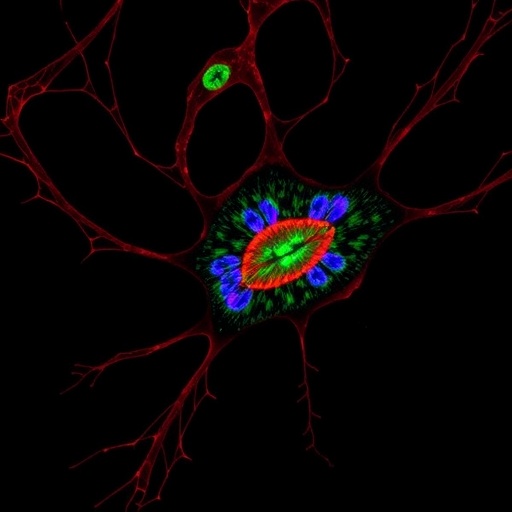
In a groundbreaking study published in Reproductive Sciences in 2025, researchers have unveiled a pivotal mechanism that underlies the progression of endometrial cancer, a common malignancy in women worldwide. The study, led by a team of scientists, including Dr. Wei Tao, reveals how the E2F8 transcription factor activates the expression of DTL, a crucial gene associated with cancer proliferation, through the MAPK signaling pathway. This revelation not only sheds light on the complex biology of endometrial cancer but also opens new therapeutic avenues for intervention.
Endometrial cancer remains a significant health concern, particularly because its incidence is on the rise, and existing treatments are limited. As such, the quest to understand the molecular drivers behind this disease is more urgent than ever. The recent findings provide insight into one of the critical components of cancer progression, thereby offering a target for potential therapeutic interventions.
The research highlights the role of E2F8, which is known for its involvement in cell cycle regulation and cellular differentiation. Elevated levels of E2F8 in endometrial tissues suggest a correlation with disease severity and aggressiveness. By activating DTL, E2F8 promotes a cascade of molecular events that contribute to tumor growth and metastasis, marking it as a potential biomarker for disease prognosis.
At the heart of the study lies the MAPK signaling pathway, a vital regulator of cellular behavior. MAPK pathways are known to control various processes, including cell growth, differentiation, and response to external stressors. The current research illustrates how the activation of these pathways by DTL, influenced by E2F8, accelerates the oncogenic processes within endometrial cells, leading to enhanced tumorigenicity.
One of the intriguing aspects of this study is the feedback loop that appears to exist between E2F8 and DTL. As DTL expression increases, it may further enhance the activity of E2F8, creating a vicious cycle that exacerbates cancer progression. This dynamic interaction underscores the complexity of gene regulation in cancer biology and points to the necessity for a multifaceted approach to treatment.
Furthermore, this research raises questions about the possibility of targeting E2F8 or the MAPK pathway directly as therapeutic strategies. Several inhibitors for components of the MAPK pathway already exist, and their application in endometrial cancer could represent a novel treatment paradigm. Such strategies would aim to disrupt the malignant signaling cascades activated by E2F8 and DTL, potentially preserving healthy tissues from undergoing cancerous transformation.
The study also emphasizes the importance of continued research into the molecular underpinnings of endometrial cancer. As researchers delve deeper into genetic and epigenetic modifications that contribute to cancer, the hope is that more effective and personalized therapies can evolve. By understanding how E2F8 and DTL interact, scientists can better predict disease outcomes and tailor interventions to improve patient survival rates.
Moving forward, the findings offer a framework for future investigations into not only endometrial cancer but various other cancers where E2F transcription factors play a crucial role. The exploration of the pathways that govern cancer proliferation is essential for both drug development and the creation of novel therapeutic strategies aimed at these targets.
In addition to their scientific implications, these findings touch on the urgent need for awareness about endometrial cancer among women. Increased understanding and education regarding the disease can facilitate earlier diagnosis and treatment, ultimately improving prognoses for those affected. As research like this continues to unfold, it is vital for healthcare providers and patients alike to stay informed about the latest advancements in cancer research.
This study exemplifies the critical role of collaborative research in advancing our understanding of complex diseases. Interdisciplinary efforts that combine molecular biology, genetics, and clinical practices are essential for making strides against malignancies like endometrial cancer. The hope is that such collaborations will lead to breakthrough discoveries that can transform the landscape of cancer treatment.
In conclusion, the activation of DTL by E2F8 via the MAPK pathway marks a significant milestone in cancer research, offering pathways toward innovative treatments and enhancing our comprehension of endometrial cancer biology. As the scientific community builds on these findings, there is a renewed sense of optimism that targeted therapies can be developed to alter the course of this disease significantly, improving outcomes for countless women around the world.
The implications of this research extend far beyond endometrial cancer. Understanding how E2F8 facilitates the activation of oncogenic pathways can inspire new research directions and therapeutic strategies across multiple types of cancer. With continuous exploration and innovation in this field, the promise of more effective, targeted cancer therapies may soon become a reality.
The study led by Dr. Wei Tao represents just one example of how molecular research is paving the way for advancements in oncology. As scientists unravel the complexities of cancer biology, we can anticipate a future with improved treatment modalities, enhanced early detection techniques, and, ultimately, better patient outcomes.
As the research community reflects on these findings, there is a shared responsibility to disseminate this knowledge globally. By bridging gaps between research and clinical application, it is possible to create a more informed public and healthcare system, culminating in a joint fight against the burden of cancer.
Continuing to invest in cancer research and education is crucial. As researchers, clinicians, and patients come together to share knowledge, there exists unparalleled potential for advancements that can change the face of cancer treatment and improve lives worldwide.
Subject of Research: Endometrial Cancer and its Molecular Mechanisms
Article Title: E2F8 Transcriptionally Activates DTL to Promote Endometrial Cancer Progression Via the MAPK Pathway.
Article References:
Tao, W., Pan, J., Zhang, W. et al. E2F8 Transcriptionally Activates DTL to Promote Endometrial Cancer Progression Via the MAPK Pathway.
Reprod. Sci. (2025). https://doi.org/10.1007/s43032-025-02040-0
Image Credits: AI Generated
DOI: https://doi.org/10.1007/s43032-025-02040-0
Keywords: E2F8, DTL, endometrial cancer, MAPK pathway, cancer progression, transcription factors, targeted therapy.


