


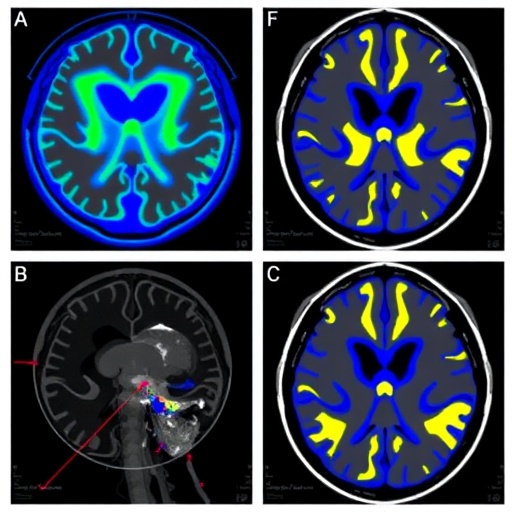
In a groundbreaking advancement within oncology, recent research has explored the comparative efficacy of diffusion-weighted magnetic resonance imaging (DW-MRI) guided dose-painting intensity-modulated radiation therapy (DP-IMRT) versus conventional MRI-based IMRT in the treatment of head and neck squamous cell carcinoma (HNSCC). This emergent study promises to reshape therapeutic strategies by leveraging the high-resolution functional imaging capabilities of DW-MRI to tailor radiation dosing more precisely and improve patient outcomes. Head and neck cancers, known for their complex anatomy and radiosensitive tissues, require meticulous planning to optimize tumor control while minimizing toxicity—an endeavor that this innovative approach directly addresses.
At the heart of this study lies the concept of dose painting through intensity-modulated radiation therapy. DP-IMRT harnesses advanced imaging data from DW-MRI, which highlights the diffusion of water molecules within tissues, thus revealing the heterogeneity of tumor cellularity and potentially aggressive regions within the tumor mass. By using this detailed tumor microenvironment map, oncologists can escalate radiation doses to the most radioresistant tumor subvolumes—referred to as gross tumor volumes (GTV)—without subjecting adjacent normal tissues to excessive levels. Conventional MRI-based IMRT, while effective, typically employs uniform dosing schemes, failing to account for the intratumoral biological variability captured by diffusion imaging.
The retrospective analysis encompassed 260 HNSCC patients treated at a single institution from June 2018 to November 2022. This sizeable cohort was divided into two arms: 126 patients received DWI-guided DP-IMRT (referred to as the DWI group), with an escalated dose of 77 Gy administered in 35 fractions at 2.2 Gy per fraction to the GTV region; the remaining 134 patients underwent standard chemoradiotherapy guided by conventional MRI-based IMRT techniques (the Standard group), receiving a 70 Gy dose in 35 fractions of 2.0 Gy per fraction. All participants uniformly underwent induction chemotherapy prior to radiation therapy, ensuring consistent baseline systemic therapy.
The crux of the analysis revealed compelling improvements in disease control with the DWI-guided dose escalation strategy. Over a median follow-up period of 23 months, the DWI group exhibited significantly higher two-year disease-free survival rates (75.2%) compared to their counterparts in the Standard group (63.8%). Statistically significant enhancement was also observed in locoregional recurrence-free survival—75.9% versus 64.7%. These findings underscore the potential of diffusion-weighted imaging to identify resistant tumor clones that may otherwise escape conventional radiation dosing paradigms.
Interestingly, while disease-free and recurrence-free measures displayed marked improvement, overall survival differences between the two groups did not achieve statistical significance within the study’s follow-up timeframe. This suggests that the early gains in tumor control may eventually translate into survival benefits with longer observation, or that other factors, such as comorbidities or systemic disease, also contribute to patient prognosis. Nevertheless, from a therapeutic perspective, reducing recurrence remains paramount for improving quality of life and reducing the need for salvage treatments.
A major concern when intensifying radiation doses is the risk of increased acute and late toxicities, which can severely impair patient well-being and limit treatment tolerability. Remarkably, the rates of Grade 3 to 5 toxicities were comparable between the DWI-guided DP-IMRT and standard IMRT groups, indicating that this selective dose escalation did not exacerbate severe adverse events. This balance between therapeutic gain and safety highlights the precision and clinical promise of DW-MRI-based dose painting strategies.
Multivariate statistical models controlling for confounders reinforced DWI-guided dose painting as an independent prognostic factor for disease-free survival. Specifically, the hazard ratio was calculated at 0.559 (95% CI 0.324–0.966), confirming the robustness of this imaging-driven approach in predicting better disease control outcomes. These findings support the integration of advanced functional imaging modalities into routine radiotherapeutic planning for head and neck cancers.
The implications of adopting DWI-guided DP-IMRT extend beyond the immediate clinical benefits. This technique exemplifies the ongoing trend toward personalized oncology, wherein treatment plans are adapted not only based on anatomical tumor extent but also on underlying biological characteristics. Such stratification could eventually refine dose prescriptions, optimize therapeutic indices, and guide concurrent systemic treatments according to intratumoral heterogeneity and radiosensitivity profiles revealed by DW-MRI.
Moreover, the technical aspects of delivering DP-IMRT require sophisticated radiation planning systems capable of conforming highly modulated dose distributions to complex target volumes derived from DW-MRI data. This necessitates interdisciplinary collaboration among radiologists, radiation oncologists, physicists, and dosimetrists to ensure precise target delineation, image registration accuracy, and reproducible treatment delivery. The success of this approach also relies on standardized imaging protocols and rigorous quality assurance measures.
Considering the global burden of head and neck squamous cell carcinoma and its significant morbidity, the deployment of DW-MRI-guided dose painting IMRT represents a pivotal step in oncologic radiotherapy. By maximizing tumor eradication while preserving healthy tissue function, this approach may reduce the long-term sequelae of radiation and improve functional outcomes such as speech and swallowing—critical quality-of-life considerations for affected individuals.
Future research directions include prospective randomized trials with larger cohorts and extended follow-up periods to validate and expand upon these retrospective findings. Additionally, integrating molecular imaging biomarkers alongside DW-MRI could potentially refine dose painting further, enabling multimodal assessments of tumor biology. Exploration of combination strategies with emerging immunotherapies and targeted agents also holds promise.
In conclusion, the comparative study elucidates that DW-MRI-guided DP-IMRT confers a tangible benefit in disease-free survival among HNSCC patients without increasing the risk of severe toxicities. This innovation marks a significant milestone in precision radiation oncology and paves the way for functional imaging to become an integral part of individualized cancer treatment planning. As technology and imaging techniques continue to evolve, dose painting approaches may emerge as the new standard for managing complex head and neck cancers worldwide, offering renewed hope for improved outcomes and reduced treatment burdens for patients.
Cite Scienmag News
Nathaniel Bowman. (August 23, 2025). DWI-Guided vs. MRI-Based IMRT in Head & Neck. Scienmag. https://scienmag.com/dwi-guided-vs-mri-based-imrt-in-head-neck/
Nathaniel Bowman. "DWI-Guided vs. MRI-Based IMRT in Head & Neck." Scienmag, 23 August 2025, https://scienmag.com/dwi-guided-vs-mri-based-imrt-in-head-neck/. Accessed 4 September 2026.
Nathaniel Bowman. "DWI-Guided vs. MRI-Based IMRT in Head & Neck." Scienmag. August 23, 2025. https://scienmag.com/dwi-guided-vs-mri-based-imrt-in-head-neck/


