


In recent years, the complexities of reproductive aging have gained considerable attention, particularly as more women opt to have children later in life. This demographic shift, while empowering, has also brought numerous challenges related to fertility, specifically the increased risk of chromosomal abnormalities in embryos. The association between advanced maternal age and aneuploidy—abnormal chromosome numbers—has led researchers to explore alternative methods for embryo selection beyond conventional genetic testing. A landmark study published in the journal Aging presents compelling evidence that the physical characteristics of embryos, namely their size and development stage, can serve as predictive markers for genetic health.
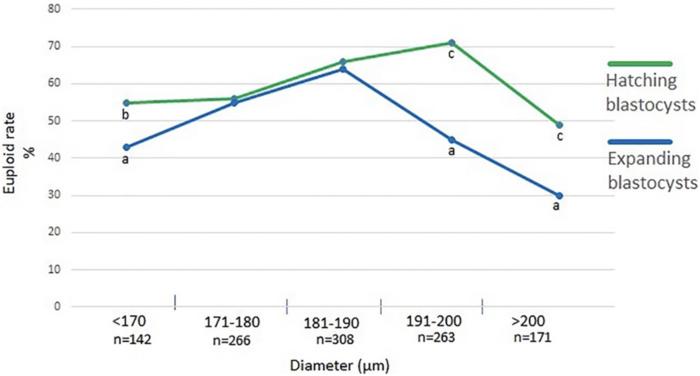
The research, led by Jakub Wyroba from the Malopolski Institute of Fertility Diagnostics and Treatment, underscores a critical insight regarding the relationship between embryo size and developmental progression. It highlights a particular trend observed in embryos nearing the blastocyst stage, where size seems to play a pivotal role in determining genetic normality. The findings indicate that smaller blastocysts, specifically those commencing the hatching process, are statistically more likely to be euploid—essentially normal in chromosomal content. In contrast, larger embryos, particularly those that have not initiated hatching, display a concerning increase in aneuploidy rates, raising important questions about traditional embryo selection methodologies.
The research team evaluated a total of 1,150 embryos derived from women aged between 26 and 45 undergoing in vitro fertilization (IVF). By meticulously examining the embryos’ dimensions alongside their hatching status, the researchers aimed to correlate these physical traits with the outcomes from preimplantation genetic testing for aneuploidy (PGT-A). The results were astonishingly telling: smaller, hatching embryos showed a significantly higher euploidy rate, especially among women over the age of 35. The study revealed that while nearly half of the embryos sampled were determined to be aneuploid, the instances of genetic normality surged in smaller embryos already undergoing the hatching process.
Specifically, the findings indicated that 51% of small hatching embryos from women over 35 were euploid, compared to a disheartening 38% among their larger unhatched counterparts. For younger women under 35, the discrepancy was even sharper, with 73% of small hatching embryos qualifying as euploid, standing in stark contrast to 58% of larger, unhatched embryos. This significant correlation emphasizes the necessity for fertility clinics to reassess their embryo selection protocols, particularly when advanced genetic screenings are not accessible.
The developmental stage of embryos during IVF is of utmost importance. As they progress through the lab environment, embryos strive to reach the blastocyst stage approximately five to six days post-fertilization. At this crucial juncture, embryos begin to break free from their protective outer shell, known as the zona pellucida. This process, referred to as hatching, is vital for successful implantation into the uterine lining and subsequent pregnancy. The research indicates that the hatching status, in concert with size, offers a practical and less resource-intensive approach for identifying genetically healthy embryos—especially pertinent for clinics operating without expensive genetic testing capabilities.
Moreover, the implications of these findings extend beyond diagnosis and into practical application. When examining success rates post-embryo transfer, the study suggests that when embryos have previously been identified as euploid, their size does not significantly affect pregnancy outcomes. This reiterates that while embryo size and hatching status are critical indicators of genetic viability when genetic testing is unavailable, the overall success rate remains constant once genetic normalcy is established.
As the landscape of fertility science continues to evolve, this study provides an innovative framework for improving embryo selection practices. For both patients and clinics, the insights garnered from this research could facilitate enhanced accessibility to successful IVF outcomes, particularly for older women facing increased challenges due to reproductive aging. The findings advocate a shift in clinical standards, encouraging a preference for smaller, hatching embryos, which could lead to better pregnancy rates and reduced emotional and financial stressors associated with fertility treatments.
Ultimately, as this field of research progresses, encompassing both biological understanding and technological advancements, such discoveries have the potential to revolutionize reproductive health. By refining embryo selection strategies based on size and hatching dynamics, fertility specialists can enhance patient care, provide clearer pathways to pregnancy success, and ultimately contribute to broader societal changes regarding family planning and reproductive choices.
The relevance of this research cannot be overstated. It emphasizes an urgent need for accessible fertility solutions that resonate with the growing number of women pursuing motherhood later in life. The practical application of these findings could bridge gaps in fertility treatments, making them more attainable and cost-efficient. As the scientific community continues to uncover the intricacies of human reproduction, promising developments like these offer rays of hope for many families striving to conceive.
Should this research gain traction, it stands to reshape conventional understandings of embryo viability, altering decision-making processes in clinical settings. The prospect of utilizing straightforward physical markers, such as embryo size and development stage, to assess genetic health could create a pivotal turning point in the field of reproductive medicine. As practitioners and researchers deliberate the implications of these findings, the focus must remain on patient-centric care that prioritizes informed choices and successful outcomes in the realm of fertility.
Cite Scienmag News
Beatrice Stafford. (April 9, 2025). Does the Size of a Blastocyst Influence Reproductive Aging and Genetic Testing Outcomes? Scienmag. https://scienmag.com/does-the-size-of-a-blastocyst-influence-reproductive-aging-and-genetic-testing-outcomes/
Beatrice Stafford. "Does the Size of a Blastocyst Influence Reproductive Aging and Genetic Testing Outcomes?" Scienmag, 9 April 2025, https://scienmag.com/does-the-size-of-a-blastocyst-influence-reproductive-aging-and-genetic-testing-outcomes/. Accessed 5 September 2026.
Beatrice Stafford. "Does the Size of a Blastocyst Influence Reproductive Aging and Genetic Testing Outcomes?" Scienmag. April 9, 2025. https://scienmag.com/does-the-size-of-a-blastocyst-influence-reproductive-aging-and-genetic-testing-outcomes/


