

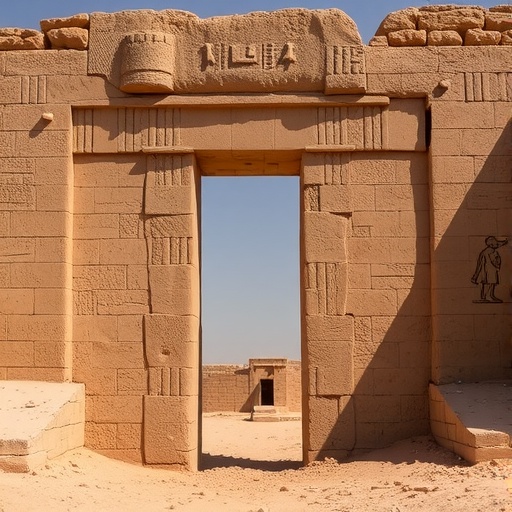
Amidst the tumult of conflict, the preservation of cultural heritage often hangs in the balance. While recent geopolitical events have laid waste to numerous historical sites, there’s a flicker of hope as a dedicated team of researchers has established a groundbreaking protocol aimed at safeguarding invaluable artifacts. The project focuses on the Tomb of Djehutyhotep, located within the Sudan National Museum. Emphasizing the critical need for immediate action, this research stands as a shining example of how empathy, technology, and ancient knowledge can converge, ensuring that the whispers of the past do not fade into silence.
The Tomb of Djehutyhotep is an exemplary representation of ancient Egyptian art and architecture. Recognized for its intricate wall carvings and richly decorated sarcophagus, the tomb provides invaluable insight into the burial practices and social hierarchies of its time. As debates over the conservation of such sites gain momentum, the potential ramifications of losing them become ever more pressing. The researchers’ approach underscores the notion that urgent measures should be undertaken to front guard against further loss while enhancing accessibility for scholars and the public alike.
To address the multilayered challenges associated with documenting cultural heritage amidst armed conflict, the authors of the study—R. Lemos, I. Abdllatief, and S. Linarello—have articulated a multi-faceted protocol. This protocol does not merely focus on physical preservation; instead, it promotes a comprehensive digital documentation system that employs cutting-edge technologies such as 3D scanning and virtual reality. Such innovations offer not only a means of documentation but also opportunities for virtual engagement, allowing global audiences to experience these treasures from afar.
Implementing the proposed protocol necessitates a collaboration between multiple stakeholders, including government agencies, non-governmental organizations, and local communities. The inclusion of local stakeholders is particularly significant as they often serve as custodians of cultural knowledge and heritage. By incorporating their insights into the preservation strategies, the research team not only enhances the effectiveness of their protocol but also fortifies the community’s ownership of their cultural legacy. This, in turn, fosters resilience and cultural pride, which can be crucial in times of strife.
The researchers also advocate for the integration of educational initiatives that emphasize the importance of cultural heritage preservation. By fostering awareness among younger generations, these educational programs can engender a sense of responsibility and urgency regarding the safeguarding of cultural assets. This transformational shift in perspective can help turn passive observers into active participants, catalyzing community-driven preservation efforts. The ongoing exchange of ideas facilitated by these educational efforts can also contribute to a broader global conversation about cultural heritage in times of conflict.
The implementation of new documentation protocols offers a way to create a layered narrative around the Tomb of Djehutyhotep. Digital archives can facilitate scholarly research and public engagement, allowing for a richer understanding of the tomb’s historical significance. Engaging platforms like interactive websites and immersive exhibitions could bring visitors closer to the vestiges of the past, stimulating interest in ancient Egyptian culture and its impact on contemporary society. Such initiatives not only preserve artifacts but also revive dialogues across cultures and eras.
Critically, the research establishes an urgent call for funding and resources dedicated to the preservation of cultural sites, especially those within conflict zones. Without adequate support, even the most well-intentioned efforts may fall short. The study highlights the importance of international partnerships that can provide both financial and technical assistance, uniting global forces in the battle against cultural erasure. An investment in cultural preservation is ultimately an investment in our shared humanity, reminding us of the legacies we inherit and the histories we must honor.
The historical trajectory of the Tomb of Djehutyhotep reflects the tumultuous journey of cultural heritage itself, navigating through centuries of change, colonization, and modernization. As we consider the ongoing threats posed by armed conflict, climate change, and urbanization, the need for robust policies that address these challenges becomes increasingly evident. The researchers’ protocol serves as a foundation upon which more resilient conservation practices can be established, emphasizing cooperation, technology, and community engagement as essential components.
As this initiative unfolds, it has the potential to serve as a model for similar projects across various cultural landscapes. The adaptability of the protocol makes it applicable to diverse historical sites facing threats in different geopolitical contexts. By sharing methodologies, successes, and lessons learned, the global community can foster a collective responsibility toward heritage preservation that transcends borders.
In conclusion, the protocol detailed in the research represents a harmonious fusion of technology and traditional methods in the safeguarding of heritage. The case of the Tomb of Djehutyhotep serves not only as a testament to ancient craftsmanship but also as a poignant reminder of our obligation to protect cultural narratives in times of uncertainty. As we strive to keep history alive through innovative preservation methods, we acknowledge the vital role these sites play in shaping our collective identity.
Now, more than ever, it is essential to rally support for cultural heritage preservation. The narrative crafted by the team of Lemos, Abdllatief, and Linarello shines a light on both the perils and possibilities that lie ahead. Their call to action resonates as a reminder of the fragility of heritage and the power of collaborative efforts in its preservation. Through shared purpose and innovative approaches, we can ensure that the tales etched into the tomb of Djehutyhotep—and others like it—endure for generations to come.
Amidst the cacophony of modernity and warfare, the story of preservation stands out—an inspiring account of resilience and hope. The initiatives being undertaken acknowledge the invaluable connections we have to our past, and the importance of understanding these connections as we forge ahead into the future.
The potential for the protocol to advance the field of cultural preservation is profound. In a world increasingly fragmented by conflict and division, the commitment to protecting shared heritage can be a unifying force. Through the innovative steps taken by this research team, we can envision a future where the cultural narratives of the past are neither lost nor forgotten, hence ensuring that they live on within the chronicles of human history.
In a nutshell, the urgency of this research cannot be overstated. As cultural sites become increasingly endangered, the ideas presented convey a robust framework for proactive preservation in a troubled world. The legacy of the Tomb of Djehutyhotep—one of beauty, complexity, and historical significance—must not succumb to the ravages of war. Through concerted effort and innovative strategy, we can endeavor to protect this heritage, ensuring it continues to resonate and inspire.
Subject of Research: Preservation of Cultural Heritage Amid Conflict
Article Title: Preserving Heritage Amid War: A Protocol for Recording and Disseminating the Tomb of Djehutyhotep at the Sudan National Museum
Article References:
Lemos, R., Abdllatief, I., Linarello, S. et al. Preserving Heritage Amid War: A Protocol for Recording and Disseminating the Tomb of Djehutyhotep at the Sudan National Museum.
Afr Archaeol Rev 42, 53–72 (2025). https://doi.org/10.1007/s10437-024-09604-6
Image Credits: AI Generated
DOI: https://doi.org/10.1007/s10437-024-09604-6
Keywords: Cultural Heritage, Preservation, Conflict, Tomb of Djehutyhotep, Digital Documentation, Community Engagement, International Collaboration, Educational Initiatives, Technologies in Preservation, Heritage Preservation Protocol.


