


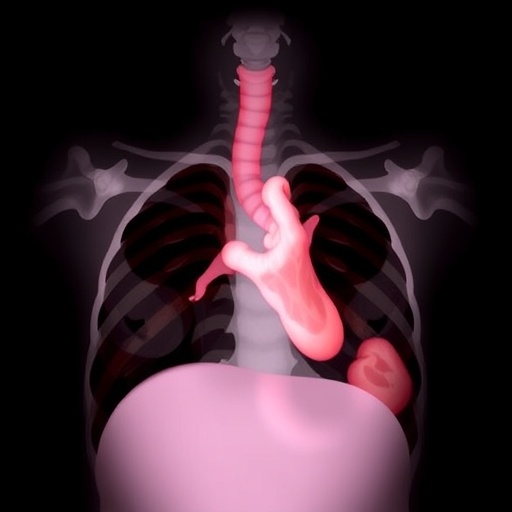
In an extraordinary medical breakthrough, researchers and practitioners have reported a novel and effective method for addressing life-threatening chylothorax in neonates. Chylothorax, characterized by the accumulation of lymphatic fluid in the pleural cavity, is particularly dangerous for infants, often requiring immediate and advanced medical intervention. Recent findings suggest direct percutaneous access of the thoracic duct, essentially employing a minimally invasive technique, has demonstrated remarkable efficacy in treating this condition.
Chylothorax frequently arises due to a variety of causes, including trauma, malignancies, and in some cases, congenital anomalies. Neonates, being especially vulnerable, often suffer from high-output chylothorax, leading to severe respiratory distress and necessitating urgent therapeutic measures. The typical challenges surrounding such cases can include adjusting nutritional intake, managing fluid balance, and ensuring oxygenation. Thus, the development of more direct treatment methods is paramount.
The research led by Kronenberg and colleagues at a prestigious medical institution has provided significant insights into this particular approach. Their findings illustrate that a direct percutaneous intervention into the thoracic duct, performed under imaging guidance, can effectively manage drainage and restore normal physiological function. This technique not only reduces recovery times but also minimizes the potential for further complications typically associated with traditional surgical solutions, such as infections and scarring.
In performing this minimally invasive procedure, clinicians begin by accessing the thoracic duct through the skin using ultrasound or fluoroscopic imaging to accurately locate the duct. This real-time imaging aids in delineating anatomical landmarks, ensuring precision and enhancing patient safety during the intervention. The introduction of a catheter facilitates the draining of chylous fluid, thereby alleviating pressure and contributing to an immediate improvement in the neonate’s respiratory status.
Evidence from the study underscores that patients who underwent this procedure exhibited marked improvement in clinical signs and a swift resolution of chylothorax. Testimonies from healthcare providers involved in the cases point toward a high success rate, reinforcing the viability of this procedural approach. It appears that these advancements correlate directly with an increase in patient survival rates and a decrease in lengthy hospitalizations, which are crucial metrics in neonatal care.
Moreover, the innovative nature of this research holds implications beyond individual patient outcomes. It establishes a potential standard protocol for managing chylothorax in various clinical settings, thus facilitating widespread adaptation among pediatric specialists. Considering the challenges and resource limitations present in many medical facilities, a shift to simpler, yet effective, treatment methodologies could revolutionize neonatal care practices globally.
Critically, the study’s findings highlight the importance of multidisciplinary collaboration within the medical community. A coordinated effort involving radiologists, surgeons, and pediatricians is essential for ensuring successful outcomes in such delicate procedures. This approach exemplifies how teamwork can catalyze breakthroughs that enhance the quality of care provided to vulnerable populations like neonates.
In an era where medical technology continues to evolve rapidly, the implementation of advanced imaging techniques in the procedure enhances precision. As training for healthcare professionals advances, it is crucial that they are equipped with the most up-to-date skills and knowledge to perform such innovative techniques safely. Ongoing education and professional development will be essential for integrating these methodologies into routine clinical practice.
In addition to the physical health benefits provided by this approach, the psychological impacts on families cannot be overlooked. Successful intervention in chylothorax cases can significantly reduce stress and anxiety for anxious parents, providing a sense of hope and relief during a harrowing time. Following the procedure, families are often able to spend more quality time with their infants, nurturing their emotional bonds while fostering a more stable recovery environment.
The implications of such advancements in treatment methods signal a transformative shift in pediatric medicine. The importance of continual research and clinical trials cannot be overstated; these efforts ensure the ongoing evolution of practices that prioritize patient safety and effectiveness. The findings of Kronenberg et al. not only provide immediate benefits to patients but also lay the groundwork for future investigations into similar conditions and techniques.
As we look forward to broader applications of this innovative technique, we must also consider the long-term outcomes of patients receiving direct thoracic duct access. Future studies should focus on both short-term and long-term implications of this intervention to fully understand potential side effects, optimal timing for intervention, and the sustainability of results.
In summary, the emergence of direct percutaneous access as a viable treatment for neonatal chylothorax heralds a new era in pediatric healthcare. The combination of clinical expertise, technological advancement, and innovative procedural strategies serves as a powerful tool in managing what has historically been a complex and potentially threatening condition in neonates. As research continues to evolve, it opens doors to greater possibilities, providing hope for many children and their families worldwide.
The success of this approach encourages a deeper investigation into improving outcomes for not only chylothorax but also other pediatric conditions that demand similar innovative solutions. Continued exploration and application of such techniques could redefine the standards of care within neonatology, paving the way towards a future where adverse outcomes for vulnerable infants become increasingly rare.
Kronenberg, D., Dave, H., Kretschmar, O. et al. Direct percutaneous access of the thoracic duct in a neonate as curative treatment of a high-output life-threatening chylothorax due to thrombotic occlusion of the thoracic duct–venous junction.
Pediatr Radiol (2025). https://doi.org/10.1007/s00247-025-06412-1
Cite Scienmag News
Harold Sullivan. (October 2, 2025). Direct Thoracic Duct Access Cures Neonatal Chylothorax. Scienmag. https://scienmag.com/direct-thoracic-duct-access-cures-neonatal-chylothorax/
Harold Sullivan. "Direct Thoracic Duct Access Cures Neonatal Chylothorax." Scienmag, 2 October 2025, https://scienmag.com/direct-thoracic-duct-access-cures-neonatal-chylothorax/. Accessed 6 September 2026.
Harold Sullivan. "Direct Thoracic Duct Access Cures Neonatal Chylothorax." Scienmag. October 2, 2025. https://scienmag.com/direct-thoracic-duct-access-cures-neonatal-chylothorax/


