


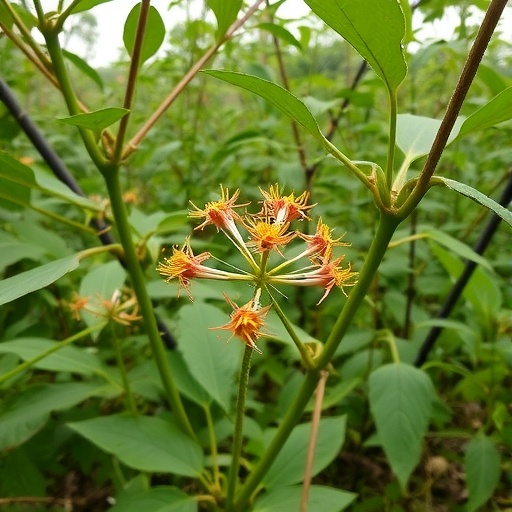
In the lush landscapes of Uttar Pradesh, India, a fascinating story unfolds about the region’s dioecious plants, which have remarkable implications for biodiversity and conservation. Dioecious plants, characterized by having distinct male and female individuals, present a unique model for studying plant reproductive strategies and genetic diversity. Recent research spearheaded by Verma et al. investigates not only the flora of these plants but also the pressing conservation issues surrounding them.
The study, published in Discover Plants, delves into the diverse species that thrive in Uttar Pradesh, providing an extensive overview of their distribution, ecological roles, and conservation status. The findings reveal that dioecious plants play crucial roles in maintaining ecological balance by fostering genetic diversity. This diversity is essential for ecosystem resilience, allowing plants to adapt to changing climates and threats, such as invasive species and habitat destruction.
Focusing on dioecious species, the research sheds light on the reproductive dynamics within these plants. Male and female plants rely on external factors for reproduction, such as pollinators, making them particularly vulnerable to environmental changes. As pollinators decline due to habitat loss and pesticide usage, the survival of dioecious plants is jeopardized. The intricate relationships between these plants and their pollinators highlight the delicate balance of ecosystems and the ripple effects that can arise from disturbances.
In Uttar Pradesh, the juxtaposition of urban development and natural preservation creates a unique challenge for conservationists. The study emphasizes the pressing need for conservation strategies that address the specific threats faced by dioecious plants. These strategies should focus on habitat restoration, protection of pollinator populations, and the adoption of sustainable agricultural practices that do not compromise the region’s ecological integrity.
Moreover, Verma and colleagues have compiled an extensive dataset, documenting various dioecious species native to Uttar Pradesh. This treasure trove of information serves as a foundation for future research and conservation efforts. By understanding the distribution and ecological requirements of these plants, researchers can better devise strategies aimed at safeguarding their survival.
The study also highlights the cultural significance of dioecious plants in Uttar Pradesh. Many of these species have traditional uses in medicine, agriculture, and rituals, further intertwining human communities with their natural environments. Recognizing the cultural dimensions of plant conservation can enhance local engagement and support for conservation initiatives, ensuring a collaborative approach to safeguarding biodiversity.
Furthermore, the research echoes a growing recognition of the need for interdisciplinary approaches in conservation science. By blending local knowledge with scientific inquiry, conservationists can create more comprehensive strategies that resonate with the communities living alongside these ecosystems. Engaging local stakeholders not only improves conservation outcomes but also fosters a sense of ownership and responsibility towards the environment.
As climate change continues to pose significant threats to biodiversity worldwide, the findings from Uttar Pradesh serve as a clarion call for immediate action. The conservation of dioecious plants is not merely a local concern; it speaks to the broader issues of global biodiversity loss and habitat degradation. This research underscores the urgency for policymakers to prioritize plant conservation within broader environmental agendas.
In conclusion, the comprehensive study by Verma et al. offers valuable insights into the floristic wealth of dioecious plants in Uttar Pradesh. By shedding light on their ecological roles, threats, and conservation status, the research lays the groundwork for future initiatives that prioritize the protection of these vital species. As we navigate an increasingly uncertain environmental landscape, understanding and conserving the intricate tapestry of life represented by dioecious plants becomes ever more critical.
Recognizing the importance of biodiversity and the intricate interdependencies that exist within ecosystems is key to ensuring a sustainable future. The research on Uttar Pradesh’s dioecious plants exemplifies how plant conservation can play a significant part in enhancing ecological resilience and fostering coexistence between human development and the natural world. The path forward requires collaboration, dedication, and a deep respect for the natural cycles that sustain life.
In this light, the exploration of dioecious plants is not merely an academic pursuit but a necessary endeavor to secure a balance that benefits both human and ecological communities. As we uncover the secrets of these remarkable plants, we are reminded of the profound interconnectedness of all living organisms, and the shared responsibility we have in preserving the natural world for generations to come.
The journey of understanding and conserving dioecious plants showcases the potential for science to drive meaningful change. The ongoing research in Uttar Pradesh serves as a model for how local actions can contribute to global solutions. As we continue to learn from these plants and their ecosystems, we must remain vigilant, proactive, and committed to the stewardship of our planet’s rich biodiversity.
Cite Scienmag News
Margaret Porter. (January 18, 2026). Dioecious Plants of Uttar Pradesh: Conservation Insights. Scienmag. https://scienmag.com/dioecious-plants-of-uttar-pradesh-conservation-insights/
Margaret Porter. "Dioecious Plants of Uttar Pradesh: Conservation Insights." Scienmag, 18 January 2026, https://scienmag.com/dioecious-plants-of-uttar-pradesh-conservation-insights/. Accessed 4 September 2026.
Margaret Porter. "Dioecious Plants of Uttar Pradesh: Conservation Insights." Scienmag. January 18, 2026. https://scienmag.com/dioecious-plants-of-uttar-pradesh-conservation-insights/


