

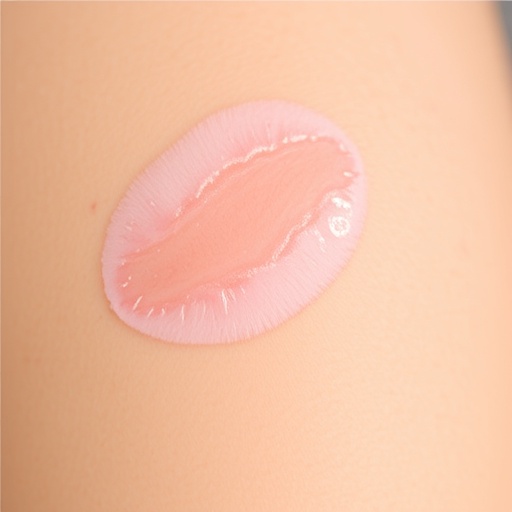
In recent years, the scientific community has increasingly focused on the pervasive impact of micro- and nano-plastics on environmental and human health. A groundbreaking review authored by McLean, Christopher, and Sleeuwenhoek delves into an often overlooked exposure route: dermal uptake. Their comprehensive study, published in 2025, sheds light on how microscopic plastic particles penetrate human skin, raising profound questions about unseen risks in everyday life.
The prevalence of micro- and nano-plastics in the environment is undisputed; they contaminate air, water, and food supplies worldwide. While ingestion and inhalation pathways have been explored extensively, the dermal route—contact through the skin—remains understudied. This knowledge gap is critical because human skin, the largest organ, serves as a primary barrier and interface with the environment. Understanding the dynamics of plastic particle interaction with the skin is essential for evaluating cumulative exposure and potential toxicological outcomes.
At the core of their review, the authors emphasize the unique physicochemical properties of micro- and nano-plastics that facilitate dermal penetration. Nanoplastics, defined by their diminutive size often below 100 nanometers, possess high surface areas that enable adhesion to skin cells. Their surface charge, hydrophobicity, and potential for chemical modifications further influence their behavior on and within skin layers. These characteristics may disrupt the stratum corneum, the skin’s outermost protective layer, increasing permeability and allowing deeper penetration.
The review systematically explores the structural complexity of human skin and its function as a biological barrier. The stratum corneum, composed of dead keratinized cells, typically prevents foreign particle entry. However, nanoscale plastics may navigate through intercellular lipid pathways or sweat gland ducts, bypassing this defense. The authors highlight experimental evidence from in vitro skin models showing nanoparticle translocation to viable epidermis and dermis layers, raising concerns about systemic absorption.
Environmental and occupational exposure factors are critically examined. Frequent contact with plastic-contaminated water, cosmetics, and textiles can increase the dermal loading of these pollutants. In addition, workers in plastic manufacturing or recycling settings encounter heightened risks due to prolonged skin contact with microplastic-laden aerosols and residues. Such chronic exposures may elicit inflammatory responses, oxidative stress, or even immune sensitization, though these outcomes demand further research.
Mechanistic insights into uptake pathways reveal that particle size, shape, and surface modifications play pivotal roles. Smaller particles exhibit greater diffusivity and intracellular uptake potential, facilitating passage across cellular membranes via endocytosis or passive diffusion. The review details studies using fluorescently labeled nanoplastics, illustrating their intracellular trafficking and accumulation in skin cells such as keratinocytes and fibroblasts, which are vital for skin structure and repair.
Importantly, the authors address the role of skin microbiota in plastic particle interactions. The skin’s resident microbial communities may influence particle adherence, agglomeration, or degradation. Conversely, micro- and nano-plastics may disrupt microbial homeostasis, impair skin immune defenses, and alter barrier integrity. These bidirectional effects represent an intriguing frontier in dermal toxicology and microbiome research.
Toxicological implications of dermal microplastic uptake remain speculative but alarming. The review synthesizes existing studies reporting cytotoxicity, genotoxicity, and immunotoxic effects induced by nanoplastics in skin cell cultures. Chronic exposure scenarios could potentially lead to skin aging, sensitization, or even carcinogenesis, particularly when combined with co-contaminants adsorbed onto particle surfaces, such as heavy metals or persistent organic pollutants.
Addressing knowledge gaps, the authors advocate for advanced in vitro and in vivo models that simulate realistic human dermal exposure conditions. Innovations such as 3D skin equivalents, microfluidic platforms, and human volunteer studies incorporating non-invasive imaging are promising avenues. Quantitative methods to detect and characterize nanoplastics in biological matrices are also critical to correlate exposure doses with health outcomes.
Regulatory implications conveyed in the review underscore the urgent need for updated safety standards and guidelines. Current policies inadequately address dermal exposure to micro- and nano-plastics, focusing predominantly on ingestion or inhalation routes. Inclusion of dermal uptake assessments in environmental health evaluations, product safety testing, and workplace monitoring could mitigate emerging risks.
Public health perspectives emphasize preventive measures to reduce dermal contact with environmental plastics. Recommendations include the use of protective clothing in high-risk occupations, reformulating cosmetic and personal care products to limit plastic particulates, and enhancing sanitation to minimize environmental contamination. Consumer awareness campaigns could also mitigate inadvertent exposures in everyday contexts.
The review also highlights potential technological solutions, such as developing biodegradable alternatives to conventional plastics with minimized nano-scale fragments. Additionally, engineered surface coatings that repel microplastics or enhance skin barrier resilience present exciting possibilities. Interdisciplinary collaborations bridging toxicology, material science, dermatology, and environmental science will be paramount to address these complex challenges.
In conclusion, this visionary review by McLean et al. confronts the invisible yet pervasive threat of micro- and nano-plastics through skin exposure. By dissecting current data and identifying critical research priorities, it charts a roadmap toward safeguarding human health in a plastic-polluted era. The findings compel a paradigm shift in how we perceive plastic pollution—not only as an ecological hazard but as a direct threat to our body’s largest interface with the environment: the skin.
As the world grapples with the plastic pollution crisis, this comprehensive synthesis underscores that dermal exposure should no longer be a blind spot. Bridging the divide between environmental contamination and internal biological effects via the skin is essential to fully understand the scope of plastic toxicity. Ultimately, this scientific inquiry will inform policy, innovation, and public behavior, shaping a safer, more sustainable future.
Subject of Research: Dermal exposure and uptake of micro- and nano-plastics in humans.
Article Title: Dermal exposure, review of current knowledge on the uptake of micro-and nano-plastics.
Article References:
McLean, P., Christopher, E.A., Sleeuwenhoek, A. et al. Dermal exposure, review of current knowledge on the uptake of micro-and nano-plastics. Micropl.&Nanopl. (2025). https://doi.org/10.1186/s43591-025-00163-4
Image Credits: AI Generated


