


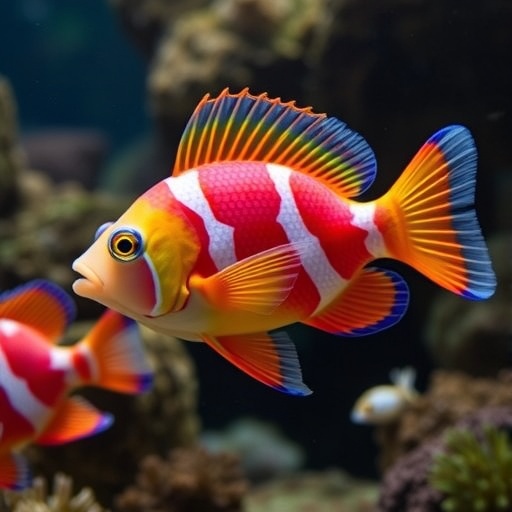
In the intricate world of evolutionary biology, the mechanisms that govern sex differentiation in animals have long captivated researchers. A study led by Wu, Baba, and Nakagawa uncovers the complex interplay of genetic and environmental factors during the gonadal sex differentiation of the pejerrey fish, scientifically known as Odontesthes bonariensis. This fascinating species exhibits a unique dual mechanism for sex determination, where both genotypic and environmental influences coalesce to define the sexual characteristics of the fish.
The pejerrey fish, native to the brackish waters of South America, serves as a prime example of how environmental parameters can shape biological outcomes. The study emphasizes that the gonadal differentiation of these fish is not a straightforward process; rather, it is a dynamic interplay between genetic programming and the surrounding environment. Researchers have identified critical windows in development during which external factors can significantly impact the sex differentiation process. These findings encourage further exploration into how shifting environments can affect not only pejerrey but other species with similar sex determination mechanisms.
At the core of the study, Wu and colleagues meticulously quantified the effects of temperature, pH levels, and salinity on the development of gonads in pejerrey. By simulating varied environmental conditions, they were able to demonstrate how these factors influence the expression of genes responsible for gonadal development. The research reveals that specific temperature thresholds can lead to a skewed sex ratio, prompting a vital discussion regarding the implications of climate change on fish populations that exhibit such complex sex determination systems.
One of the standout revelations from this research is the concept of genotype-by-environment interaction. This refers to the phenomenon wherein genetic makeup influences how individuals respond to environmental changes in terms of their development. The findings suggest that the pejerrey’s response to environmental stressors is not uniform; rather, genetic predisposition plays a significant role in determining how these fish adapt to fluctuating conditions. This layer of complexity may serve as a mechanism to enhance evolutionary resilience in changing habitats.
Moreover, the conflict resolution aspect of gonadal differentiation in pejerrey presents a novel insight into reproductive strategies. It appears that when environmental conditions favor one sex over the other, the genetic predispositions of individuals can shift to accommodate these disparities, thereby promoting reproductive success. This dynamic exemplifies nature’s sophisticated means of balancing sex ratios, ultimately ensuring the continuity of the species in varying ecological contexts.
The implications of Wu’s research extend beyond mere academic inquiry. Understanding the genotype-by-environment interactions in sex determination is imperative for fisheries management, conservation efforts, and aquaculture practices. As human-induced climate changes profoundly impact aquatic ecosystems, identifying species that exhibit flexible sex determination mechanisms can guide resource allocation and conservation strategies. Therefore, findings from this study could be pivotal in sustaining fish populations that are vital for both biodiversity and human sustenance.
Furthermore, the emotional layers underlying conflict resolution in sexual differentiation are particularly fascinating. The research highlights how environmental pressures can lead to competition among individuals, influencing which sex may predominate based on survival advantages in specific contexts. This competitive edge not only informs reproductive strategies but also subtly shapes the social structures within populations. By unpacking such intricate interactions, the study provides a holistic view of the evolutionary pressures at play.
As we delve deeper into the implications of this research, it paints a stark picture of the future of not only pejerrey but other fish species with dual sex determination systems. Conservationists and policymakers alike must consider the insights gained from this study, especially in the face of global climate change. The potential disruption of delicate ecological balances as fish populations struggle against rising temperatures and changing habitats poses questions about sustainability and resource management in aquatic systems.
Moreover, the study offers exciting prospects for further research. The uniqueness of Odontesthes bonariensis as a model organism for studying dual-genetic and environmental sex determination presents opportunities for comparative studies with other species. Such research could deepen our understanding of evolutionary strategies across diverse taxa and highlight the similarities and differences in reproductive adaptations to environmental pressures.
In conclusion, Wu and colleagues have opened a new chapter in the understanding of sex differentiation in the pejerrey fish. The intersection of genotype and environmental factors creates a rich tapestry of interactions that shape not only individual development but also the evolutionary dynamics of entire populations. As scientists continue to unravel the complexities of such mechanisms, it is critical to bridge the gap between research and practical application to safeguard the future of diverse species like the pejerrey amidst an ever-changing world.
In the realm of biological sciences, studies like this one not only enhance our understanding of natural processes but also underscore our responsibility to preserve the delicate balance of ecosystems. The research invites a collective reflection on how environmental stewardship can influence the genetic and ecological fate of species that, like the pejerrey, play crucial roles in their habitats. Ultimately, this exploration serves as both a scientific endeavor and a call to action to ensure the survival of remarkable creatures in our changing world.
Wu, C., Baba, W., Nakagawa, R. et al. Genotype-by-environment interactive effects and conflict solving during gonadal sex differentiation of pejerrey Odontesthes bonariensis, a fish with dual genotypic/environmental sex determination.
Biol Sex Differ 16, 79 (2025). https://doi.org/10.1186/s13293-025-00768-7
Cite Scienmag News
Ophelia Keating. (October 16, 2025). Decoding Pejerrey Fish’s Sex Differentiation Strategies. Scienmag. https://scienmag.com/decoding-pejerrey-fishs-sex-differentiation-strategies/
Ophelia Keating. "Decoding Pejerrey Fish’s Sex Differentiation Strategies." Scienmag, 16 October 2025, https://scienmag.com/decoding-pejerrey-fishs-sex-differentiation-strategies/. Accessed 4 September 2026.
Ophelia Keating. "Decoding Pejerrey Fish’s Sex Differentiation Strategies." Scienmag. October 16, 2025. https://scienmag.com/decoding-pejerrey-fishs-sex-differentiation-strategies/


