

Tuesday, October 20, 2026
Science
No Result
View All Result
  • Login
  • HOME
  • SCIENCE NEWS
  • CONTACT US
  • HOME
  • SCIENCE NEWS
  • CONTACT US
No Result
View All Result
Scienmag
No Result
View All Result
Home Science News Social Science

Cross-sectional study links emotional influencer use with perceived harms among Spanish youth

October 20, 2026
in Social Science
Courtney Benton
By Courtney Benton Scienmag Editorial Profile - Science and Technology Policy
Reading Time: 2 mins read
0
Cross-sectional study links emotional influencer use with perceived harms among Spanish youth

Cross-sectional study links emotional influencer use with perceived harms among Spanish youth

65
SHARES
587
VIEWS
Share on FacebookShare on Twitter
ADVERTISEMENT

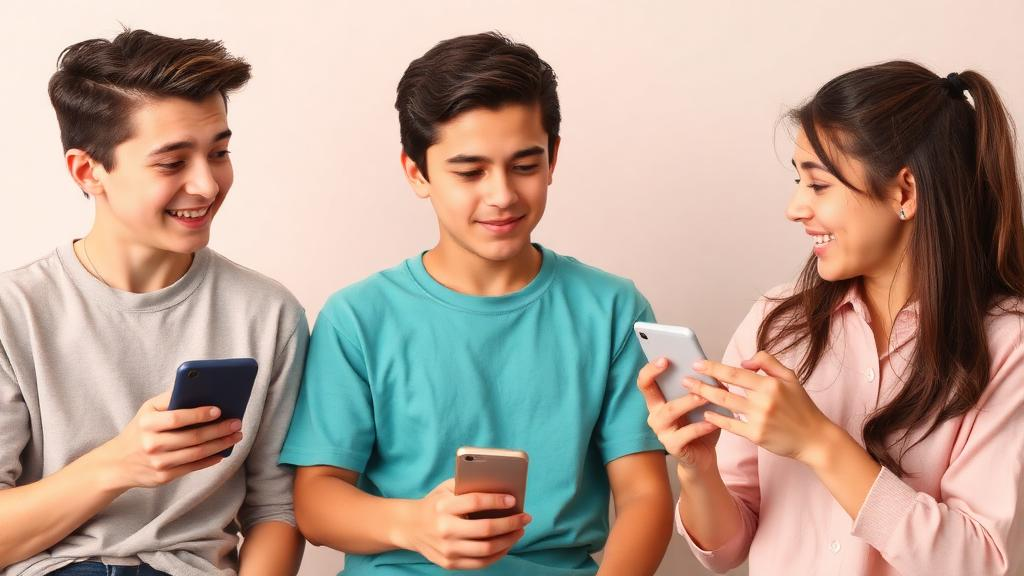
Young people who consumed social-media influencer content for emotional reasons, including seeking companionship or coping with personal difficulties, reported more consequences for their sense of self and relationships when their consumption was frequent. The strongest concentrations of adverse perceived consequences occurred among bisexual, homosexual and non-normative sexual-orientation groups, according to a cross-sectional study of 1,800 adolescents and young people aged 14 to 24 living in Spain.

Researchers administered an online questionnaire to examine how often participants consumed influencer content, the motivations behind that use, and the self-perceptive and relational consequences they perceived. The sample included heterosexual, bisexual, homosexual and non-normative sexual-orientation groups. The researchers also considered age across adolescence and early adulthood, examining whether the measured associations varied during that developmental transition.

The analysis used univariate and bivariate assessments alongside correlational and regression models to examine relationships among consumption frequency, emotionally oriented motivations, and perceived consequences. The results showed higher concentrations of reported adverse self-perceptive and relational consequences among bisexual and homosexual participants and those classified in the non-normative sexual-orientation group. Two features were associated with this pattern: social comparison and a stronger orientation toward interaction mediated by the digital environment. These are statistical associations within the surveyed population, not evidence that influencer content caused the reported experiences.

The models also suggested that the association between consumption frequency and perceived consequences became more pronounced when content was consumed for emotionally oriented purposes such as companionship or coping with personal difficulties. Because the data were collected at a single point, the study cannot establish whether emotionally motivated consumption led to greater perceived consequences, whether those experiences encouraged more frequent use, or whether other factors influenced both. The findings instead identify an association that varied with sexual-orientation group, age and the emotional purposes associated with influencer-content consumption. The researchers described the results as relevant to digital-well-being experiences during the transition from adolescence to young adulthood, without demonstrating a causal effect or a clinical benefit or harm.

Subject of Research: Associations between influencer-content use, emotional motivations and perceived consequences among Spanish youth aged 14 to 24

Article Title: Influencer content consumption: emotional uses and perceived consequences among LGBTQ+ and heterosexual youth

Article References: Suárez-Álvarez, R., Montes-Vozmediano, M., & López-de-Ayala, M.-C. (2026). Influencer content consumption: emotional uses and perceived consequences among LGBTQ+ and heterosexual youth. Humanities and Social Sciences Communications. https://doi.org/10.1057/s41599-026-09328-9

Image Credits: AI Generated

DOI: 10.1057/s41599-026-09328-9

Keywords: social media influencers, adolescent well-being, emotional motivations, social comparison, digital relationships, sexual orientation, online survey, cross-sectional study, Spain, Influencer, content, consumption

Cite Scienmag News

Courtney Benton. (October 20, 2026). Cross-sectional study links emotional influencer use with perceived harms among Spanish youth. Scienmag. https://scienmag.com/cross-sectional-study-links-emotional-influencer-use-with-perceived-harms-among-spanish-youth/


Courtney Benton. "Cross-sectional study links emotional influencer use with perceived harms among Spanish youth." Scienmag, 20 October 2026, https://scienmag.com/cross-sectional-study-links-emotional-influencer-use-with-perceived-harms-among-spanish-youth/. Accessed 20 October 2026.

Courtney Benton. "Cross-sectional study links emotional influencer use with perceived harms among Spanish youth." Scienmag. October 20, 2026. https://scienmag.com/cross-sectional-study-links-emotional-influencer-use-with-perceived-harms-among-spanish-youth/

Tags: adolescent coping mechanisms through social media influencersadolescent well-beingconsumptioncontentcross-sectional studycross-sectional study on social media and adolescent developmentdigital interaction and emotional well-being in youthdigital relationshipsemotional motivationsemotional motivations for social media influencer consumptionimpact of influencer content on self-esteem in young peopleinfluence of sexual orientation on social media-related harmsInfluencermental health disparities among sexual minority youthonline social media use among Spanish youthonline surveyperceived harms of influencer content among adolescentsRelationshipsexual orientationsocial comparisonsocial comparison and mental health in social media usesocial media influencer effects on youth mental healthsocial media influencersSpain
Share26Tweet16
Previous Post

Research report: Deriving inventories of non-native plant species from iNaturalist: Insights from urban centres of the Western Cape, South Africa

Next Post

Hot-Working Window Identified for Crack-Prone Al-20Sc Alloy

Related Posts

Governance moderates circular economy’s link to European energy diversification
Social Science

Governance moderates circular economy’s link to European energy diversification

October 20, 2026
AI Attribution Lowers College Students’ Trust in Sexual Health Information
Social Science

AI Attribution Lowers College Students’ Trust in Sexual Health Information

October 20, 2026
Thiele receives NIH award for innovative chemistry research to fight cancer
Social Science

Thiele receives NIH award for innovative chemistry research to fight cancer

October 19, 2026
Shame: A repoliticised reframing to inform sexual violence primary prevention
Social Science

Shame: A repoliticised reframing to inform sexual violence primary prevention

October 19, 2026
Climate protection: Where reforestation bears social risks
Social Science

Climate protection: Where reforestation bears social risks

October 19, 2026
Wealthy Latin American nations fear immigration more—until one variable changes everything
Social Science

Wealthy Latin American nations fear immigration more—until one variable changes everything

October 19, 2026
Next Post
Hot-Working Window Identified for Crack-Prone Al-20Sc Alloy

Hot-Working Window Identified for Crack-Prone Al-20Sc Alloy

  • Mothers who receive childcare support from maternal grandparents show more optimized

    Mothers who receive childcare support from maternal grandparents show more parental warmth, finds NTU Singapore study

    27656 shares
    Share 11059 Tweet 6912
  • University of Seville Breaks 120-Year-Old Mystery, Revises a Key Einstein Concept

    1061 shares
    Share 424 Tweet 265
  • Bee body mass, pathogens and local climate influence heat tolerance

    682 shares
    Share 273 Tweet 171
  • Researchers record first-ever images and data of a shark experiencing a boat strike

    546 shares
    Share 218 Tweet 137
  • Groundbreaking Clinical Trial Reveals Lubiprostone Enhances Kidney Function

    531 shares
    Share 212 Tweet 133
Science

Embark on a thrilling journey of discovery with Scienmag.com—your ultimate source for cutting-edge breakthroughs. Immerse yourself in a world where curiosity knows no limits and tomorrow’s possibilities become today’s reality!

RECENT NEWS

  • Hot-Working Window Identified for Crack-Prone Al-20Sc Alloy
  • Cross-sectional study links emotional influencer use with perceived harms among Spanish youth
  • Research report: Deriving inventories of non-native plant species from iNaturalist: Insights from urban centres of the Western Cape, South Africa
  • IKKε deficiency reduces osteoarthritis pain and synovitis in mice

Categories

  • Agriculture
  • Anthropology
  • Archaeology
  • Athmospheric
  • Biology
  • Biotechnology
  • Blog
  • Bussines
  • Cancer
  • Chemistry
  • Climate
  • Earth Science
  • Editorial Policy
  • Marine
  • Mathematics
  • Medicine
  • Pediatry
  • Policy
  • Psychology & Psychiatry
  • Science Education
  • Science News
  • Social Science
  • Space
  • Technology and Engineering

Subscribe to Blog via Email

Enter your email address to subscribe to this blog and receive notifications of new posts by email.

Join 5,149 other subscribers

© 2025 Scienmag - Science Magazine

Welcome Back!

Login to your account below

Forgotten Password?

Retrieve your password

Please enter your username or email address to reset your password.

Log In
No Result
View All Result
  • HOME
  • SCIENCE NEWS
  • CONTACT US

© 2025 Scienmag - Science Magazine

Discover more from Science

Subscribe now to keep reading and get access to the full archive.

Continue reading