


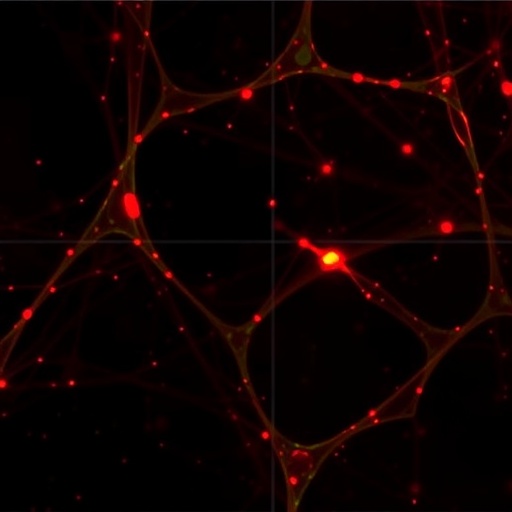
In an extraordinary leap forward for cellular biology and diabetes research, a team of international scientists has successfully identified Sec31A as a critical regulator of alpha cell survival through an unprecedented genome-wide CRISPR screen. This groundbreaking study, led by Shibue et al. and published in Nature Communications in 2025, opens new horizons in understanding how pancreatic alpha cells persist and function, setting the stage for potential targeted therapies in metabolic diseases, including diabetes.
Alpha cells, nestled within the islets of Langerhans in the pancreas, are primarily responsible for the secretion of glucagon, a hormone crucial in maintaining glucose homeostasis. Unlike their beta cell counterparts, which produce insulin, alpha cells have been historically less studied, leaving significant gaps in understanding their survival mechanisms under stress or disease conditions. This new investigation undertakes a comprehensive analysis at the genetic level, leveraging the precision of CRISPR technology to elucidate the molecular underpinnings that ensure alpha cell viability.
Utilizing a genome-wide CRISPR knockout screen, the research team systematically disrupted thousands of genes in alpha cells to identify those essential for cell survival. This high-throughput method allowed an unbiased, global evaluation of genetic factors influencing alpha cell fate. Among the many genes investigated, Sec31A emerged prominently as a pivotal component whose loss dramatically impairs alpha cell survival, underscoring its indispensable role in cellular maintenance mechanisms.
Sec31A is a component of the coat protein complex II (COPII), which mediates the transport of proteins from the endoplasmic reticulum (ER) to the Golgi apparatus—a fundamental process in the secretory pathway. Disruption in this pathway has long been implicated in cellular stress and death, yet the specific connection between Sec31A and alpha cells was previously uncharted. This study brings to light that Sec31A’s role extends beyond mere cargo transport; it acts as a guardian molecule ensuring cellular integrity under metabolic demands.
The techniques employed involved a combinatory approach of CRISPR gene editing with sophisticated single-cell RNA sequencing, enabling the team to pinpoint not only the effect of gene knockout but also the downstream transcriptional landscapes affected by Sec31A depletion. This multi-omics strategy lends a granular view into how alpha cells adjust—or fail to adjust—their functional repertoire in response to intracellular trafficking disruptions.
One of the remarkable findings is that loss of Sec31A triggers an expanding ER stress response, characterized by the activation of unfolded protein response (UPR) pathways, which commonly serve as cellular defense mechanisms. However, in alpha cells lacking Sec31A, this stress surpasses protective thresholds, culminating in apoptosis. This insight offers a mechanistic explanation for alpha cell attrition observed in several pathological states, including chronic hyperglycemia and type 2 diabetes progression.
Moreover, by teasing apart the signaling cascades influenced by Sec31A perturbation, researchers observed alterations in calcium homeostasis and mitochondrial function, both of which are critical determinants of cell survival and hormone secretion. These findings suggest that Sec31A’s influence is multifaceted, integrating secretory pathway fidelity with metabolic and bioenergetic regulation within alpha cells.
The implications of this discovery are manifold. From a clinical standpoint, preserving alpha cell function is vital as glucagon secretion plays a counter-regulatory role to insulin, particularly in hypoglycemic conditions. Enhancing alpha cell resilience through modulation of Sec31A or its downstream pathways may offer novel therapeutic vectors for maintaining blood glucose stability in diabetic patients.
Additionally, this study challenges previous beta-centric paradigms in diabetes research by shifting some focus toward alpha cell biology. Historically overshadowed, alpha cells have now emerged as critical players in glucose homeostasis, underscoring the necessity for comprehensive studies that consider islet cell interactions and survival networks holistically.
Further experimentation in animal models will be imperative to validate these findings in vivo and to unravel potential compensatory mechanisms that may mitigate Sec31A dysfunction. This could also shed light on whether Sec31A’s role is conserved among other endocrine cell types or specialized within alpha cells, hinting at broader biological principles governing secretory cells.
Given the involvement of COPII components in various cellular contexts, this research adds a layer of complexity in how trafficking proteins influence cell fate decisions beyond simple cargo movement. The dynamic interface between intracellular transport, stress responses, and cell death pathways posits Sec31A as a convergence point for these fundamental processes.
Strikingly, the use of cutting-edge genome editing tools and single-cell analytics exemplifies the evolution of functional genomics into a discipline capable of dissecting cellular ecosystems with unprecedented precision. The success of this study underscores the transformative potential of CRISPR screens in decoding the genetic architecture underlying cell survival in normal and diseased states.
In conclusion, the identification of Sec31A as a key regulator of alpha cell survival marks a significant milestone in endocrine cell biology and diabetes research. This work not only enriches the fundamental understanding of alpha cell physiology but also lays a foundational framework for innovative therapeutic strategies aimed at preserving islet cell health and improving metabolic disease outcomes. The future undoubtedly holds exciting possibilities as researchers delve deeper into the molecular choreography choreographed by Sec31A within pancreatic alpha cells.
Cite Scienmag News
Juliet Wilcox. (October 15, 2025). CRISPR Screen Spots Sec31A in Alpha Cell Survival. Scienmag. https://scienmag.com/crispr-screen-spots-sec31a-in-alpha-cell-survival/
Juliet Wilcox. "CRISPR Screen Spots Sec31A in Alpha Cell Survival." Scienmag, 15 October 2025, https://scienmag.com/crispr-screen-spots-sec31a-in-alpha-cell-survival/. Accessed 4 September 2026.
Juliet Wilcox. "CRISPR Screen Spots Sec31A in Alpha Cell Survival." Scienmag. October 15, 2025. https://scienmag.com/crispr-screen-spots-sec31a-in-alpha-cell-survival/


