

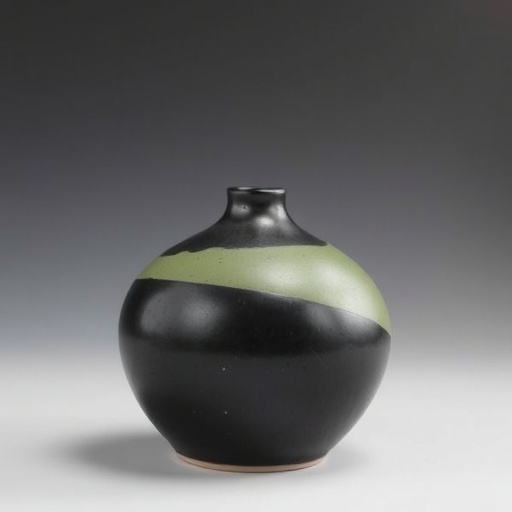
In the realm of archaeological science, the examination of ancient pottery serves as a window into the cultural and technological practices of earlier societies. A recent study by researchers Zong, Wang, and Fu, published in the journal Archaeological and Anthropological Sciences, has shed light on the production techniques of black-slipped pottery found at the Maoershan site in northern Fujian, China. This investigation not only reveals the intricacies of ancient ceramic production but also poses significant questions about the motives behind the crafting of these distinctive artifacts.
Black-slipped pottery, characterized by its dark surface, has been a subject of fascination for archaeologists and historians alike. Its production requires a sophisticated understanding of material science and craftsmanship. The techniques used to create such pottery are indicative of the technological advancements and artistic sensibilities of the people who made them. In their research, the authors meticulously explored the methodologies involved in the creation of these enigmatic pieces, providing insights into the functional and aesthetic choices that influenced their design.
The research methodology employed by the authors involved a combination of archaeological fieldwork and experimental archaeology. By excavating the Maoershan site and analyzing the pottery fragments discovered there, the researchers could ascertain the composition and firing techniques used in ancient times. Understanding the clay’s mineral content, along with the temperature and atmosphere of the firing process, enabled the team to recreate the conditions under which these artifacts were originally crafted. This hands-on approach highlights the importance of experiential learning in archaeology, allowing researchers to bridge the gap between historical theory and practical application.
A pivotal aspect of the study revolved around understanding the dual nature of black-slip pottery — its practicality versus its prestige. The analysis suggested that while some pottery served utilitarian purposes, others may have held symbolic or status-related significance. This dichotomy raises intriguing questions regarding the societal structures present during the time of production. Were these ceramics merely household items designed for everyday use, or did they carry deeper meanings, attached to rituals or social stratifications? Examining the archaeological context of each piece sheds light on the varying roles that these artifacts may have played in the lives of their users.
The findings from this research have broader implications for understanding the cultural identity of the communities inhabiting northern Fujian. The artistic styles and technological attributes of black-slipped pottery can offer vital clues about trade networks, interaction between different cultures, and even migration patterns. Pottery often travels beyond borders, and its unique characteristics can reveal influences from other civilizations, contributing to our understanding of how knowledge and skills spread throughout ancient societies.
Furthermore, the technological insights gleaned from the production techniques used in black-slipped pottery could lead to new methodologies in contemporary ceramic practices. In a world where artisans continue to seek inspiration from ancient traditions, this research offers a contemporary lens through which to view traditional craftsmanship. It encourages modern potters and artists to re-evaluate the services of ancient skills and techniques that may have been forgotten over time.
While the study elucidates the practical aspects of black-slipped pottery production, it also encourages a deeper exploration into the symbolism associated with these items. The sensory qualities of these ceramics — their tactile nature, visual appeal, and functional use — are multifaceted and rich with meaning. As such, black-slipped pottery may have acted as a medium through which designers and makers expressed ideas about identity, social status, and the human experience, reflecting the values and beliefs of the society that produced them.
The rigorous analysis presented by Zong and colleagues also invokes a discussion about the role of technology in the perception of art. As societies evolve, so too do their methods of production. The transition from handmade pottery to mass-produced ceramics has implications for authenticity, craftsmanship, and aesthetics. Examining historical practices allows contemporary artists to challenge current methodologies, drawing on the wisdom of the past to innovate and inspire the future.
Moreover, this study invites a broader discourse on archaeological conservation practices. As the researchers uncover the advanced techniques employed by ancient potters, it becomes evident that preserving these cultural artifacts is crucial. Conservation efforts not only safeguard objects from degradation but also maintain the stories and knowledge encapsulated within each piece. The findings underscore the necessity for continued excavation, preservation, and study, ensuring that future generations have access to these invaluable resources.
In conclusion, the research conducted at the Maoershan site offers a profound glimpse into the nexus of technology, artistry, and societal values embodied by black-slipped pottery. By understanding both the practical and the prestigious aspects of its production, we gain a richer understanding of the cultural landscape of ancient China. Such interdisciplinary inquiries not only advance the field of archaeology but also foster a more profound appreciation for the intricate interplay between technology and artistry in humanity’s collective past.
The insights gained from this study will likely resonate well beyond the confines of academic discussion, shining a spotlight on the importance of preserving and celebrating the craftsmanship of our ancestors. As we delve deeper into the secrets held by ancient artifacts, we are reminded of the enduring legacy of those who came before us and our shared human experience across time and space.
Subject of Research: Black-slipped pottery production at the Maoershan site in northern Fujian, China.
Article Title: Practical or prestige? Technological insights into the production of black-slipped pottery at the Maoershan site in northern Fujian, China.
Article References:
Zong, R., Wang, W., Fu, L. et al. Practical or prestige? Technological insights into the production of black-slipped pottery at the Maoershan site in northern Fujian, China. Archaeol Anthropol Sci 18, 19 (2026). https://doi.org/10.1007/s12520-025-02397-y
Image Credits: AI Generated
DOI: https://doi.org/10.1007/s12520-025-02397-y
Keywords: Black-slipped pottery, archaeological science, technological insights, Maoershan site, ceramic production, cultural identity, craftsmanship, ancient techniques.


