

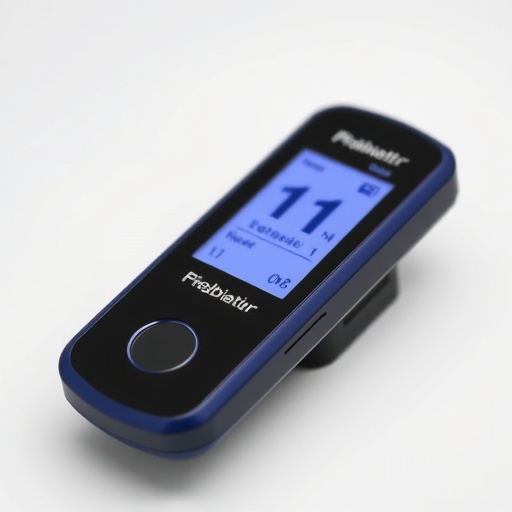
In a groundbreaking study conducted in Spain, researchers have put the spotlight on the FreeStyle Libre system, particularly focusing on its effectiveness in managing Type 2 Diabetes Mellitus. This innovative continuous glucose monitoring system has gained popularity in recent years, revolutionizing how individuals living with diabetes interact with their health. The research highlights the financial implications and overall utility of this technology, underscoring its potential to transform diabetes care for those with poor glycemic control who are receiving treatment with basal insulin.
The study led by Robles-Plaza and colleagues intricately examines how the FreeStyle Libre system could offer significant benefits over traditional glucose monitoring methods. Conventional methods, which typically involve frequent finger-pricking to check glucose levels, can be an inconvenience and often lead to inadequate monitoring, especially for those struggling with diabetes management. The advent of continual glucose monitoring devices such as FreeStyle Libre could confer numerous advantages, from providing real-time data to reducing the burden of manual data logging.
The FreeStyle Libre system is not merely another medical gadget; it signifies a paradigm shift in diabetic care. Continuous glucose monitoring provides patients with the capability to observe their glucose levels in real-time, thereby fostering better understanding and control over their health. This immediacy of information often encourages patients to make healthier decisions, especially concerning diet and physical activity. This observational data can prove crucial in identifying patterns in glucose fluctuations, which may correlate with lifestyle choices.
In the context of cost and utility, the study undertakes a meticulous cost-utility analysis, which measures the economic value of the FreeStyle Libre system in relation to its health benefits. The findings indicate that while the initial investment in the FreeStyle Libre may seem substantial for patients and the healthcare system alike, the long-term benefits manifest in fewer diabetes-related complications and hospitalizations. The study emphasizes the idea that higher upfront costs can ultimately lead to significant savings in both healthcare expenses and improved quality of life for patients.
For patients managing Type 2 Diabetes Mellitus, the crux of effective management lies in maintaining glycemic control. Poor glycemic control is not just a personal health issue; it has broader implications for public health systems, often leading to costly long-term complications such as neuropathy, retinopathy, and cardiovascular diseases. By using the FreeStyle Libre system, patients can significantly improve their glycemic tracking and management, potentially reducing the risk of these debilitating complications.
The research team collected data from a sample of patients who currently rely on basal insulin for their diabetes management. The study comprehensively described the patients’ experiences using the FreeStyle Libre system, comparing these with traditional monitoring methods. Participants reported a marked improvement in their comfort and satisfaction levels, largely attributable to the ease of use and the painless nature of continuous glucose monitoring.
Moreover, the sensory technology integrated into the FreeStyle Libre system offers an appealing ease-of-use factor which has been a game-changer for many users. Users simply apply a small sensor on the back of their arm, which continuously tracks glucose levels and syncs the data to a phone app. This technological advancement eliminates the need for frequent finger-prick tests, and many patients have reported feeling less anxious and more in control of their health since utilizing this system.
Challenges still remain, particularly regarding the accessibility and affordability of this technology. While the study demonstrates substantial benefits, the reality of healthcare systems, especially in varied economic climates, complicates immediate widespread adoption. The authors of the study urge policymakers to consider these findings when shaping healthcare regulations and reimbursement strategies to facilitate broader access to innovative technologies like FreeStyle Libre.
The potential implications of this research extend beyond individual patient experiences. By integrating supportive diabetes management tools, healthcare professionals can access more granular data about patient behaviors and metabolic responses. These insights hold great promise for tailoring more effective, individualized treatment plans based on real-time data, ultimately leading to improved health outcomes.
In summation, the study conducted by Robles-Plaza et al. makes a convincing case for the adoption of the FreeStyle Libre system among patients with Type 2 Diabetes Mellitus on basal insulin. It frames a narrative around not only the tangible health benefits but also the cost-effectiveness of transitioning to continuous glucose monitoring. This holistic approach potentially addresses significant public health concerns associated with inadequate diabetes management while highlighting the transformative role of technology in chronic disease care.
As the healthcare landscape continues to evolve, the findings of this research are sure to captivate both academic and clinical audiences alike. By showcasing the indispensable value of continuous monitoring technology, this comprehensive analysis encourages a rethinking of diabetes management paradigms, advocating for a future where technological innovation leads to both improved health outcomes for patients and decreased national healthcare burdens.
The future of diabetes management could very well lie in the further integration of systems like FreeStyle Libre, shaping how patients and healthcare professionals alike navigate the complexities of this chronic disease. As the study underscores, enhancing the quality of patient care not only serves individuals but also enriches the fabric of public health.
Subject of Research: Cost-utility analysis of FreeStyle Libre systems for Type 2 Diabetes Mellitus treatment in Spain.
Article Title: Cost–Utility Analysis of FreeStyle Libre Systems in People with Type 2 Diabetes Mellitus on Treatment with Basal Insulin and Poor Glycemic Control in Spain.
Article References: Robles-Plaza, M., Gómez-Peralta, F., Bellido, V. et al. Cost–Utility Analysis of FreeStyle Libre Systems in People with Type 2 Diabetes Mellitus on Treatment with Basal Insulin and Poor Glycemic Control in Spain. Diabetes Ther (2025). https://doi.org/10.1007/s13300-025-01816-6
Image Credits: AI Generated
DOI: https://doi.org/10.1007/s13300-025-01816-6
Keywords: FreeStyle Libre, Type 2 Diabetes Mellitus, continuous glucose monitoring, cost-utility analysis, glycemic control, healthcare technology, basal insulin.


