


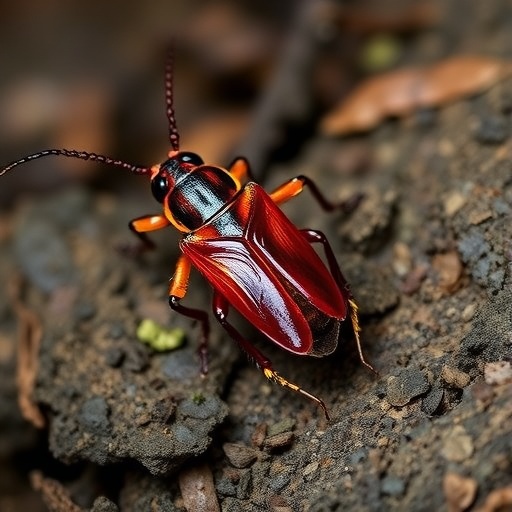
In an intriguing advancement in the realm of allergy research and alternative therapies, a recent study has delved into the interactions between the unique fungus, Cordyceps militaris, and the inflammatory responses triggered by cockroach allergens. The research, led by a team of scientists including Lee, MF., Wu, JY., and Wu, CS., has brought forth compelling evidence indicating that lab-cultivated Cordyceps militaris may hold a pivotal role in modulating the inflammatory responses seen in keratinocytes and macrophages when exposed to these allergens.
The significance of this study lies in its focus on the dual cell platforms that highlight the intricate balance between the immune system’s response to allergens and the potential therapeutic effects of natural substances. Cockroaches are known to be potent allergens, causing widespread respiratory issues and aggravating conditions such as asthma. The findings from this study contribute to the growing understanding of how natural compounds can influence immune responses, potentially paving the way for novel therapeutic strategies for managing allergic reactions.
Cordyceps militaris, a fungus revered in traditional medicine for its numerous health benefits, has gained attention for its bioactive compounds that demonstrate various pharmacological properties. This particular study underscores the hypothesis that these compounds can interact with immune cells, like keratinocytes and macrophages, to mitigate the inflammatory cascade triggered by allergens. By exploring these interactions in a controlled laboratory setting, the researchers have taken essential steps toward elucidating the mechanisms behind these immune responses.
Using advanced laboratory techniques, the researchers cultivated Cordyceps militaris and subjected it to rigorous analysis, examining its effects on both keratinocytes, which are critical for skin barrier function, and macrophages, which play a vital role in immune responses. The study meticulously tracked the cellular responses when exposed to cockroach allergens, uncovering that the presence of Cordyceps militaris notably dampened the inflammation typically associated with these allergens. This anti-inflammatory effect could be attributed to various compounds present in the fungus, such as polysaccharides and other secondary metabolites.
The implications of these findings are substantial, especially in light of the increasing prevalence of allergies worldwide. Each year, millions suffer from allergies related to environmental triggers, with cockroach allergens being one of the main contributors. By identifying a natural agent that can potentially moderate these responses, the research offers hope for more effective treatments that are less reliant on synthetic pharmaceuticals, which often come with unwanted side effects.
As allergic reactions are predominantly characterized by an overactive immune response, the study sheds light on the importance of managing inflammation in allergic individuals. The capacity of Cordyceps militaris to modulate these pathways not only highlights its therapeutic potential but also opens the door for further exploration into how such natural products can complement existing treatments for allergic conditions, especially in populations that may be sensitive to conventional medications.
The researchers have called for further investigations to validate these results in clinical settings and to fully understand the specific mechanisms at play. Such work is crucial in determining appropriate dosages, administration routes, and potential interactions with other medicines. The path from laboratory findings to clinically viable therapies is often lengthy and fraught with challenges, but the preliminary results from this study are promising and warrant a concentrated effort to explore the full potential of Cordyceps militaris in treating allergies.
Moreover, this study adds to a growing body of literature that suggests a resurgence of interest in traditional medicinal practices and natural products. As health-conscious consumers increasingly gravitate towards holistic approaches to wellness, research like this one emphasizes the need for rigorous scientific validation of these practices. The blend of traditional knowledge and modern research methodologies creates a robust platform for discovering effective treatments rooted in nature.
In summary, the study conducted by Lee and colleagues presents a compelling case for considering Cordyceps militaris as a modulator of inflammatory responses associated with cockroach allergens. The findings hold promise for new therapeutic avenues that could enhance current allergy management strategies. Given the alarming rise in allergic diseases globally, accelerating research in this direction is paramount. The health care industry stands on the brink of a transformative shift with the integration of natural agents like Cordyceps into therapeutic regimens, potentially making a significant impact on public health.
As the scientific community celebrates these findings, continued exploration into the complexities of the immune response and the role of natural products is essential. Innovations in this domain could reshape our approach towards preventing and managing allergic diseases, ushering in a new era of research that prioritizes safety and efficacy through biologically sourced therapies.
While preliminary, the effects demonstrated in this study encourage further inquiry into the therapeutic characteristics of Cordyceps militaris and pave the way for sophisticated research methodologies that may unravel even more benefits of this intriguing fungus. As the understanding of its biochemistry deepens, the possibilities for clinical applications may expand, ultimately enhancing the quality of life for individuals burdened with allergic conditions.
The journey from lab to clinic is often long, but with research like this, we step closer to revealing the potential of Cordyceps militaris as a promising therapeutic agent against allergic inflammation, providing new hope to countless individuals suffering from allergy-induced discomfort.
Lee, MF., Wu, JY., Wu, CS. et al. Laboratory cultivated Cordyceps militaris modulates cockroach allergen-induced inflammation in keratinocytes and macrophages dual cell platforms.
BMC Complement Med Ther 25, 375 (2025). https://doi.org/10.1186/s12906-025-05132-1
Cite Scienmag News
Ophelia Keating. (October 16, 2025). Cordyceps militaris Reduces Cockroach Allergy Inflammation. Scienmag. https://scienmag.com/cordyceps-militaris-reduces-cockroach-allergy-inflammation/
Ophelia Keating. "Cordyceps militaris Reduces Cockroach Allergy Inflammation." Scienmag, 16 October 2025, https://scienmag.com/cordyceps-militaris-reduces-cockroach-allergy-inflammation/. Accessed 3 September 2026.
Ophelia Keating. "Cordyceps militaris Reduces Cockroach Allergy Inflammation." Scienmag. October 16, 2025. https://scienmag.com/cordyceps-militaris-reduces-cockroach-allergy-inflammation/


