


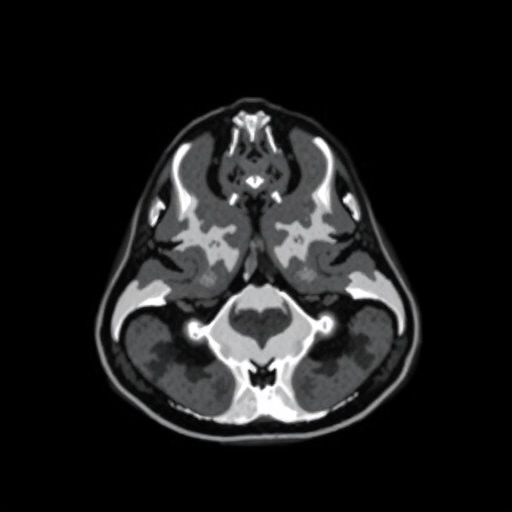
In a groundbreaking study set to redefine pediatric imaging recommendations, researchers have developed a locally deployed context-aware chatbot that significantly outperformed generic large language models. This innovative approach leverages a tailored design to deliver accurate and guideline-concordant recommendations that are crucial for effective pediatric care. The findings represent a pivotal advancement in how technology can enhance decision-making processes in healthcare, particularly in the sensitive domain of pediatric imaging.
Pediatric imaging has unique challenges that require nuanced understanding and contextual information. Traditional large language models, despite their impressive capabilities, often fall short when addressing the specific needs of pediatric patients. Most available systems are trained on a diverse array of text and may lack the specialized knowledge required for accurate medical recommendations. The research team recognized this gap and aimed to bridge it with their chatbot technology, tailored specifically for pediatric imaging.
The chatbot was designed not only to interpret complex medical queries but also to incorporate contextual information relevant to each individual case. By employing a localized deployment strategy, researchers ensured that the chatbot was more responsive and capable of adapting to the specific needs of users, ranging from parents to healthcare professionals. This level of personalized interaction is vital in pediatric care, where understanding the emotional and medical context is paramount.
In a comparative analysis, the chatbot’s performance was rigorously bench-marked against some of the leading generic large language models. The results were striking; the context-aware chatbot delivered more accurate recommendations that aligned consistently with established pediatric imaging guidelines. The research team meticulously structured their methodology to ensure that variables remained controlled while assessing the chatbot’s efficacy, laying a strong foundation for the results presented.
The implications of this research extend beyond merely enhancing the accuracy of recommendations. With the increasing reliance on digital tools in healthcare, deploying specialized chatbots can lead to quicker decision-making processes, ultimately improving patient outcomes. Moreover, this could alleviate some of the burdens faced by pediatric radiologists and healthcare providers, allowing them to focus on urgent cases rather than sifting through general information provided by less specialized models.
One particularly notable aspect of the locally deployed chatbot is its ability to learn from real-time interactions. Unlike static AI systems, which may require periodic updates to maintain relevance, the chatbot can continuously adjust its recommendations based on user feedback and emerging medical data. This adaptability is critical in the ever-evolving landscape of pediatric healthcare, where new guidelines and knowledge are consistently emerging.
The research also delves into the ethical considerations surrounding AI in healthcare. Utilizing a specialized chatbot for pediatric imaging recommendations raises questions about liability, data privacy, and the importance of human oversight. The findings highlight the necessity of implementing robust protocols to ensure that technology complements rather than replaces human expertise in clinical settings. The research underscores that, even with advanced AI, the role of experienced healthcare professionals remains irreplaceable.
In addition to ethical implications, the study illustrates the challenges of AI integration in clinical practice. While the chatbot shows promise, healthcare providers must be trained to work in tandem with such technologies. The successful implementation of AI tools requires a paradigm shift in how medical professionals are educated and how they interact with technology. Incorporating AI into pediatric care could necessitate revising curricula in medical education to include training on AI applications and ethical considerations.
The researchers envision a future where context-aware chatbots like theirs become standard tools in pediatric radiology. They anticipate that ongoing developments in AI will only enhance the chatbot’s capabilities, allowing it to analyze vast datasets and discern patterns that are currently beyond the reach of standard medical practice. Such advancements could lead to unprecedented improvements in diagnostic accuracy and treatment planning.
As the medical community grapples with the rapid advancement of technology, studies like this one serve as a beacon, illuminating the path towards integrating AI with traditional practices. The promising results indicate that with further research and development, locally deployed chatbots could revolutionize not just pediatric imaging, but the entire landscape of medical recommendations.
This research resonates deeply in the era of personalized medicine, where treatments and recommendations are increasingly tailored to individual patient needs. The capacity of a chatbot to synthesize patient-specific data in real time could change the interpretation of imaging studies, leading to more accurate and timely interventions.
Furthermore, this study opens the door for collaboration between technology companies and healthcare institutions. Innovative partnerships could foster the necessary environment for rapid development and deployment of AI tools that can fill existing gaps in healthcare delivery, ultimately contributing to enhanced patient care and operational efficiency.
In conclusion, the development of a locally deployed context-aware chatbot demonstrates the powerful intersection of technology and healthcare. As researchers continue to refine these tools, the focus will also need to stay on responsible implementation and integration into existing workflows. The efficacy displayed in this study is not merely an achievement in technology but a step forward in making a more informed, empathetic, and efficient healthcare system for children.
Gupta, A., Rangarajan, K., Krishna Kumar, R. et al. Locally deployed context-aware chatbot outperforms generic large language models for guideline-concordant pediatric imaging recommendations.
Pediatr Radiol (2025). https://doi.org/10.1007/s00247-025-06453-6
Cite Scienmag News
Harold Sullivan. (November 13, 2025). Context-Aware Chatbot Surpasses Generic Models in Pediatric Imaging. Scienmag. https://scienmag.com/context-aware-chatbot-surpasses-generic-models-in-pediatric-imaging/
Harold Sullivan. "Context-Aware Chatbot Surpasses Generic Models in Pediatric Imaging." Scienmag, 13 November 2025, https://scienmag.com/context-aware-chatbot-surpasses-generic-models-in-pediatric-imaging/. Accessed 4 September 2026.
Harold Sullivan. "Context-Aware Chatbot Surpasses Generic Models in Pediatric Imaging." Scienmag. November 13, 2025. https://scienmag.com/context-aware-chatbot-surpasses-generic-models-in-pediatric-imaging/


