


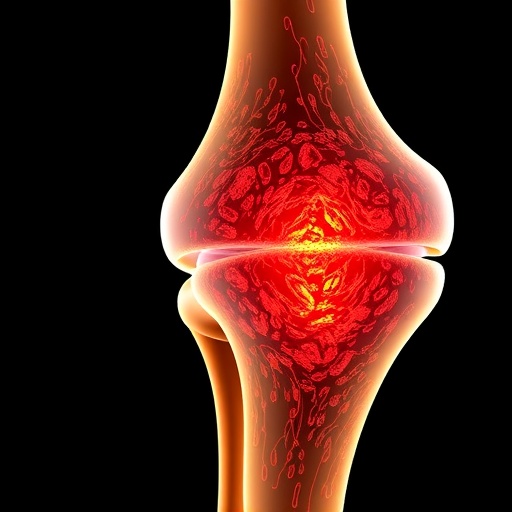
In the realm of bone biology and regenerative medicine, understanding the mechanobiology underlying bone cell behavior is vital for advancing therapeutic approaches to skeletal disorders. A groundbreaking meta-analysis published in 2025 in BioMedical Engineering OnLine meticulously synthesizes over two decades of experimental research, revealing the profound impact of compressive stress on the growth dynamics of osteoblasts and osteoclasts. This profound study sheds light on the mechanotransduction pathways that mediate cellular responses to physical stimuli, offering promising avenues for innovation in bone health management and treatment.
The researchers conducted an exhaustive literature search across multiple prestigious scientific databases, including PubMed, Web of Science, CNKI, and ScienceDirect, spanning studies from January 2000 through April 2025. This rigorous selection process culminated in the analysis of 16 high-quality studies, encompassing diverse experimental designs and focusing intensively on the effects exerted by compressive stress on osteoblast and osteoclast proliferation and differentiation. By employing advanced statistical tools such as RevMan 5.4 and R 4.1.4 for meta-analytical evaluation, this work presents a robust synthesis of existing data, accentuating the nuanced role of mechanical forces in bone remodeling.
One of the pivotal revelations from the meta-analysis is the unequivocal positive influence of compressive stress on both osteoblasts and osteoclasts, the primary cellular agents of bone formation and resorption, respectively. The findings indicate that mechanical loading significantly stimulates cellular proliferation, suggesting that physical forces are not merely secondary environmental factors, but active determinants of bone metabolism. Interestingly, in vitro experimental data exhibited a more pronounced and consistent stimulatory effect compared to in vivo studies conducted on animal models, underscoring the complexity of biological systems and the respective responses to mechanical stimuli under controlled versus organismal contexts.
Delving deeper into cell-specific responses, the results demonstrate that osteoblasts possess a higher sensitivity to compressive stress stimuli compared to osteoclasts. Osteoblasts, responsible for new bone matrix synthesis, appear to increase their proliferation rate more markedly under mechanical compression. This differential sensitivity may reflect intrinsic cellular mechanotransduction pathways optimized to promote bone anabolism. In contrast, the osteoclast population, although responsive, manifests a comparatively moderate increase, which may be indicative of its multifaceted role in maintaining bone homeostasis.
Notably, the study parsed the impact of different subtypes of biomechanical forces, distinguishing between direct compressive stress and fluid shear stress, both of which are commonly encountered by bone cells in their physiological microenvironment. The meta-analysis confirms that compressive stress exerts a more potent stimulatory effect on bone cell growth than fluid shear stress. This discovery amplifies the importance of mechanical compression as a therapeutic modality and invites further exploration of its molecular underpinnings, particularly in relation to how varying stress modalities differentially activate intracellular signaling cascades and gene expression profiles associated with bone remodeling.
From a mechanistic standpoint, these findings converge on the critical role of mechanosensitive signaling networks such as the integrin-FAK (focal adhesion kinase) axis, MAPK pathways, and Wnt/β-catenin signaling in transducing mechanical stimuli into cellular responses. Although the meta-analysis does not delve into individual molecular pathways in detail, it provides a springboard for future research that seeks to decode the precise biochemical events governing the enhanced proliferation and differentiation observed in mechanically stimulated osteoblasts and osteoclasts.
Clinically, the implications of this meta-analysis are profound. The demonstrated capacity of compressive stress to promote bone cell growth underscores its therapeutic potential in designing novel treatment strategies for osteoporosis, fracture healing, and other bone degenerative diseases. Mechanical loading regimens, whether via physical therapy, device-assisted compressive stimuli, or biomaterial scaffolds engineered to emulate mechanical forces, could be optimized to harness this biological response, accelerating recovery and improving bone quality in affected individuals.
Moreover, the study accentuates the translational challenges inherent in bridging in vitro findings with in vivo realities, highlighting the need for more integrated experimental models that faithfully replicate the biomechanical environment of human bone tissue. Future investigations must endeavor to elucidate the long-term effects of sustained compressive stress, potential thresholds for beneficial versus deleterious outcomes, and interactions with systemic factors such as hormonal regulation and inflammatory signaling.
This comprehensive meta-analysis not only consolidates current knowledge but also invigorates the scientific discourse around bone mechanobiology. As the global burden of musculoskeletal disorders escalates with aging populations, understanding the precise role of physical forces in modulating bone cell behavior will be indispensable. The researchers’ work lays a foundation for interdisciplinary collaboration, amalgamating biomedical engineering, cellular biology, and clinical sciences to pioneer mechanotherapy interventions tailored to individual patient needs.
In summation, the meta-analytic evidence compellingly supports the notion that compressive stress is a potent enhancer of osteoblast and osteoclast growth, with differential cellular sensitivities and mechanistic pathways influenced by the type of applied mechanical force. This nuanced understanding promises to redefine therapeutic paradigms and spur biomimetic innovations aimed at restoring and maintaining skeletal integrity through controlled biomechanical stimulation.
The study, authored by Miao, T., Ni, C., Meng, Q., and colleagues, exemplifies how aggregating and critically analyzing extensive scientific data can transform fragmented knowledge into actionable insights, heralding a new era in bone tissue engineering and regenerative medicine. As research continues to unravel the complexities of cellular mechanotransduction, compressive stress is poised to become a cornerstone concept in developing next-generation treatments for bone diseases.
Cite Scienmag News
Ophelia Keating. (September 29, 2025). Compressive Stress Influences Bone Cell Growth. Scienmag. https://scienmag.com/compressive-stress-influences-bone-cell-growth/
Ophelia Keating. "Compressive Stress Influences Bone Cell Growth." Scienmag, 29 September 2025, https://scienmag.com/compressive-stress-influences-bone-cell-growth/. Accessed 4 September 2026.
Ophelia Keating. "Compressive Stress Influences Bone Cell Growth." Scienmag. September 29, 2025. https://scienmag.com/compressive-stress-influences-bone-cell-growth/


