


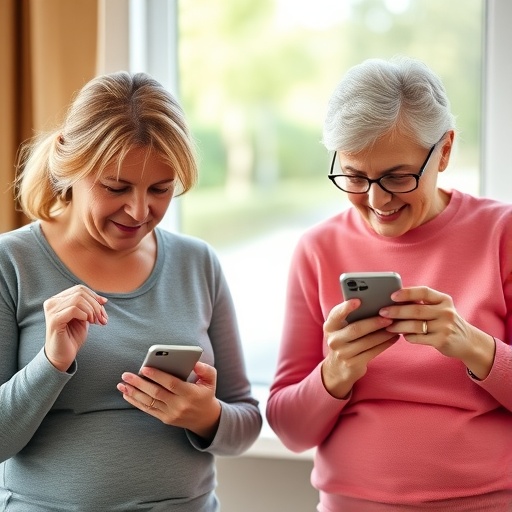
In a groundbreaking comparative study investigating the efficacy of digital interventions versus traditional human advising, researchers have demonstrated that a customizable short message service (SMS) system can induce significant increases in physical activity among aging Latino/a adults. This mobile health platform produced walking improvements over a 12-month period that were on par with those observed in participants receiving personalized counsel from human advisors. The findings underscore not only the potential scalability of mobile health technologies but also their capacity to deliver culturally relevant interventions that resonate with diverse populations.
Physical activity, particularly walking, remains a cornerstone of health promotion strategies aimed at preventing chronic illness and enhancing quality of life in older adults. Despite well-documented benefits, adherence to exercise regimens often suffers in minority populations due to socioeconomic, linguistic, and cultural barriers. This study addresses these disparities by leveraging a technology familiar and accessible to many in Latino/a communities: SMS text messaging. By harnessing the ubiquity and convenience of mobile phones, the intervention circumvents traditional limitations such as access to healthcare professionals and transportation.
The research employed a rigorous longitudinal design, monitoring participants’ walking behavior over a substantial timeframe of one year. This extended observation period allowed investigators to capture sustained behavior change rather than transient effects often seen in short-term interventions. The innovative SMS program was personalized and adaptable, delivering motivational messages, reminders, and tailored advice that adjusted based on individual participant responses and progress metrics. This dynamic customization is critical, as it signifies a move away from generic messaging toward more interactive digital health solutions.
Participants in the human advising cohort received conventional telephone counseling from trained professionals, a method that has demonstrated efficacy historically but is limited by resource constraints and scalability issues. The fact that the SMS group achieved comparable outcomes to this resource-intensive method is a pivotal discovery. It suggests that thoughtfully designed automated systems can replicate the motivational aspects of human interaction and foster similar behavioral changes without the direct involvement of health advisors.
From a technical standpoint, the SMS system utilized in this study integrated algorithms that analyzed participant data to optimize message content and frequency. This feedback loop is emblematic of emerging trends in digital health centered around personalized medicine and behavior modification techniques. By continuously refining intervention parameters, the system maintained participant engagement and prevented message fatigue, a common challenge in digital interventions.
Moreover, the cultural tailoring of content was instrumental in the program’s success. Messages were crafted to resonate with Latino/a values and linguistic nuances, thereby enhancing relevance and receptivity. This culturally sensitive approach is essential given the diversity of the aging population and the need for interventions that respect and incorporate cultural identity to maximize efficacy.
Beyond individual health benefits, the implications of this study extend to public health and healthcare delivery systems. Mobile health platforms like the one tested here can dramatically expand access to preventive health programs, particularly in underserved populations that encounter barriers to traditional healthcare engagement. This democratization of health interventions aligns with ongoing efforts to reduce health disparities and promote equity.
The study also opens new avenues for research in the domain of digital therapeutics. As smartphones and mobile connectivity become increasingly prevalent worldwide, scalable, low-cost interventions offer a strategic advantage in managing chronic disease risk factors and promoting wellness at a population level. Integration of such platforms into existing healthcare frameworks could revolutionize patient engagement and follow-up care.
While the results are promising, the researchers emphasize the importance of continued monitoring and validation across diverse cohorts and settings. Understanding the long-term impact and optimizing the interactive elements of SMS systems will be crucial for broader implementation. Additionally, exploring hybrid models that combine automated messaging with periodic human contact may enhance personalized support and adherence further.
Ultimately, this study highlights how behavioral science, cultural insight, and digital technology can converge to challenge assumptions about health intervention delivery. It challenges the perception that effective motivational counseling must be exclusively human-driven, illustrating that automated, culturally competent messaging can achieve equivalent outcomes in real-world, aging minority populations.
In the context of an aging global population and escalating healthcare costs, the demonstrated effectiveness of customizable SMS systems offers a compelling solution to the urgent need for accessible, sustainable health promotion strategies. As technology evolves, integrating sophisticated, context-aware messaging platforms can serve as a frontline tool to mitigate sedentary lifestyles and promote health equity.
In summary, this research not only validates the use of mobile health tools in bridging gaps in healthcare access but also advances the field towards innovative, scalable, and culturally tailored preventive strategies. As the healthcare landscape continues to embrace digital transformation, studies like this pave the way for inclusive, effective interventions that meet the needs of diverse populations where they are—on their phones.
News Publication Date: Not provided.
Web References: Not provided.
References: doi:10.1001/jamanetworkopen.2025.28858
Cite Scienmag News
Ophelia Keating. (September 4, 2025). Comparing Telephone and Text Message Counseling to Boost Physical Activity in Midlife and Older Adults. Scienmag. https://scienmag.com/comparing-telephone-and-text-message-counseling-to-boost-physical-activity-in-midlife-and-older-adults/
Ophelia Keating. "Comparing Telephone and Text Message Counseling to Boost Physical Activity in Midlife and Older Adults." Scienmag, 4 September 2025, https://scienmag.com/comparing-telephone-and-text-message-counseling-to-boost-physical-activity-in-midlife-and-older-adults/. Accessed 3 September 2026.
Ophelia Keating. "Comparing Telephone and Text Message Counseling to Boost Physical Activity in Midlife and Older Adults." Scienmag. September 4, 2025. https://scienmag.com/comparing-telephone-and-text-message-counseling-to-boost-physical-activity-in-midlife-and-older-adults/


