

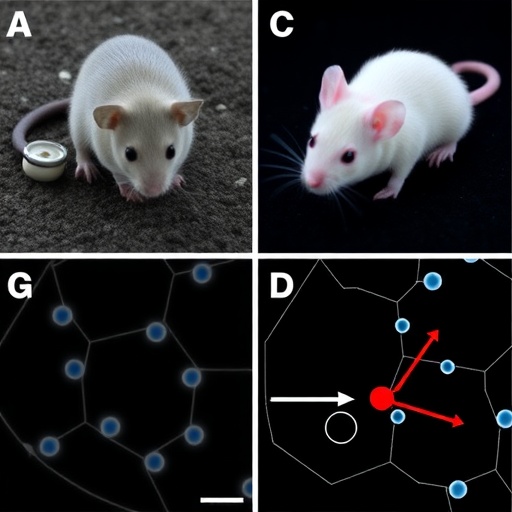
Recent advances in gene therapy have shed light on the critical methods of delivering adeno-associated viruses (AAVs) to the brain, particularly emphasizing two prominent delivery routes: intranasal and intravenous. The methods have garnered attention due to their potential to enhance therapeutic interventions for various neurological disorders. The comparative analysis presented by Chukwu and colleagues highlights the importance of selecting optimal delivery techniques to maximize the efficacy of genetic interventions targeting the central nervous system.
Intranasal delivery of AAVs represents a novel approach that circumvents barriers associated with traditional systemic administration. Traditional systemic routes often lead to substantial peripheral exposure, where therapeutic agents accumulate in non-target tissues. In contrast, intranasal delivery directly accesses the olfactory bulb, enabling AAVs to bypass the blood-brain barrier more effectively. This anatomical advantage may be crucial for treatments aimed at conditions like Alzheimer’s disease, Parkinson’s disease, and other neurodegenerative disorders.
The study conducted by Chukwu, Yuan, and Chen involved a meticulous comparison of both delivery routes in murine models to elucidate their respective efficiencies. By quantifying the brain-targeting efficacy and peripheral exposure of AAVs delivered through these two routes, the research team aimed to delineate the most effective delivery method for therapeutic genes. As the area of gene therapy continues to evolve, understanding these differences could significantly influence future therapeutic strategies.
One of the study’s focal points was the evaluation of how each delivery method impacts viral distribution in the brain. The researchers utilized various techniques, including quantitative PCR and fluorescence microscopy, to assess the localization and spread of AAVs post-delivery. The outcomes of these methodologies underscored that intranasal delivery resulted in a more favorable distribution pattern within specific brain regions associated with cognition and motor function.
On the other hand, intravenous delivery, while a widely accepted method in many therapeutic contexts, presented challenges in this comparative analysis. The research highlighted that, although intravenous administration might facilitate broader systemic circulation, it often leads to lower concentrations of AAVs in the targeted brain regions. This finding raises important questions about the trade-offs between delivery efficiency and the potential risks associated with increased peripheral exposure, which can lead to unintended immune responses or cytotoxic effects.
Chukwu et al. also explored the dynamics of tissue targeting and clearance post-delivery. Understanding how AAVs are processed by the body following their administration is crucial, as it directly affects the longevity and effectiveness of the therapeutic genes they carry. The researchers observed that intranasal delivery not only decreased peripheral exposure but also enhanced retention times in target brain areas, suggesting a maximized therapeutic window for sustained effects.
Another significant aspect of this study was the immune response elicited by each delivery method. Intravenous AAV delivery has historically been associated with a more pronounced immunogenic response, which can dampen the therapeutic efficacy of gene therapy protocols. In contrast, the intranasal route minimized immune activation, a finding that could be pivotal for developing safe and effective gene therapies with fewer side effects.
As the research unfolds, implications for clinical applications are increasingly apparent. The ability to effectively target the brain via intranasal routes suggests that this method could revolutionize treatment paradigms for neurological disorders, providing a less invasive and potentially more effective alternative to current therapies. The growing body of evidence supports the notion that optimized delivery systems are essential for advancing therapies and improving patient outcomes.
In addition to the neurological applications, the implications of this research extend beyond the brain. Understanding the comparative efficiencies of these delivery routes could pave the way for similar techniques in addressing other diseases where gene therapy holds promise, including cancer and inherited disorders. Intranasal delivery methods, if proven effective in human trials, could open new avenues for disease modification and management.
This comparative analysis ultimately emphasizes the need for a shift in perspective regarding AAV delivery methods. While traditional intravenous routes have been the standard, emerging evidence advocates for a reevaluation of intranasal routes. By focusing on brain-targeting efficiency without compromising safety, researchers may redefine standards for viral delivery systems in gene therapy.
As innovative strategies continue to emerge in the field of gene therapy, future studies must prioritize not only the efficacy of delivery methods but also their safety profiles and biological implications. The ongoing dialogue surrounding these advancements will likely lead to paradigm shifts in how therapies are administered and their trajectory in clinical practice.
Overall, the insights gleaned from this study by Chukwu and colleagues offer a glimpse into the future of gene therapy, demonstrating the intricacies of delivery methods and the importance of customized approaches tailored to specific therapeutic needs. Researchers and clinicians alike must adapt to these findings, which bear the potential to change therapeutic landscapes in profound ways for neurological and other diseases.
In conclusion, understanding the comparative advantages and limitations of intranasal versus intravenous AAV delivery is critical for harnessing the full potential of gene therapy. As research in this area expands, the findings promise not only to inform future studies but also to guide clinical decision-making processes in the pursuit of effective and safe gene therapies for patients suffering from debilitating conditions.
Subject of Research: Adeno-Associated Virus (AAV) Delivery Methods
Article Title: Intranasal versus intravenous AAV delivery: A comparative analysis of brain-targeting efficiency and peripheral exposure in mice
Article References:
Chukwu, C., Yuan, J. & Chen, H. Intranasal versus intravenous AAV delivery: A comparative analysis of brain-targeting efficiency and peripheral exposure in mice.
Gene Ther (2025). https://doi.org/10.1038/s41434-025-00585-y
Image Credits: AI Generated
DOI:
Keywords: Gene therapy, AAV delivery, intranasal delivery, intravenous delivery, brain targeting, neurological disorders, immune response.


