

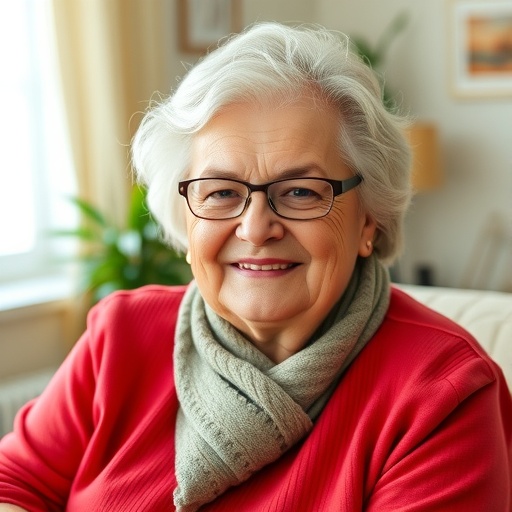
In recent years, the global population has been experiencing a significant demographic shift toward an older age structure. As the proportion of elderly individuals increases, the challenges associated with aging, particularly frailty, have come to the forefront of public health discussions. Frailty, a syndrome characterized by diminished physiological reserve and increased vulnerability, poses a critical threat to the health and well-being of older adults. It is a condition that can lead to adverse outcomes such as hospitalization, disability, and other profound health complications. This condition has garnered the attention of researchers and health professionals alike, prompting the need for effective intervention strategies.
One promising avenue of intervention has been explored in a recent study conducted by Lee, et al., which investigates the effectiveness of a nurse-led, community-based frailty prevention program specifically designed for prefrail older adults. The study’s premise rests on the idea that targeted interventions delivered within community settings can significantly enhance the health outcomes of this vulnerable population. The researchers employed a quasi-experimental trial design to assess the program’s efficacy, leveraging the unique strengths of community health nursing to engage with older adults where they live.
The significance of a nurse-led approach cannot be overstated. Nurses are often the frontline providers in healthcare systems, acting as critical links between patients and broader healthcare teams. Their training equips them to assess individual health needs comprehensively and promote preventive care. In this study, nurses implemented a range of interventions aimed at addressing the multifactorial nature of frailty. These interventions encompassed physical activity programs, nutritional guidance, and social support mechanisms—each geared toward enhancing the overall resilience of prefrail individuals.
Central to the study’s design was the recognition that the community context plays a pivotal role in health outcomes. Many older adults face barriers to accessing traditional healthcare services, making community-based interventions particularly valuable. By bringing proactive health strategies directly into community settings, the researchers aimed to remove obstacles to care while empowering older adults to take charge of their health. This approach aligns with a growing trend in public health that emphasizes preventive measures over reactive, treatment-based models.
Throughout the duration of the program, participants were engaged in regular assessments that enabled the researchers to track their progress. This longitudinal monitoring was crucial, as it provided insights into the specific components of the intervention that were most effective in mitigating frailty markers. The program included tailored exercise regimens designed to build strength and mobility, dietary modifications aimed at promoting adequate nutrition, and social activities that fostered community engagement and emotional well-being.
Notably, the social dimensions of health cannot be overlooked. Social isolation is a significant risk factor for frailty and other adverse health outcomes among older adults. By incorporating social elements into the frailty prevention program, the researchers aimed to create a holistic intervention that addressed not only physical health but also mental and social well-being. The program facilitated opportunities for older adults to connect with peers, thereby reducing feelings of loneliness and isolation—a common plight in older populations.
As the quasi-experimental trial unfolded, preliminary findings began to emerge, showcasing the promising impacts of the nurse-led, community-based intervention. Participants reported improvements in self-efficacy concerning their health, increased mobility, and enhanced quality of life. These subjective measures are critically important, as they reflect the lived experiences of older adults who may not always be captured through traditional clinical indicators. This focus on patient-centered outcomes underscores the importance of involving older adults in their own care processes.
Moreover, the cost-effectiveness of community-based programs should not be ignored. As healthcare systems grapple with rising costs and the economic implications of an aging population, preventive initiatives such as this one have the potential to alleviate fiscal burdens. By investing in programs that keep older adults healthier for longer, communities may see reductions in hospitalizations and long-term care needs, ultimately saving resources while enhancing quality of life.
Lee’s study advocates for broader adoption of nurse-led interventions in community settings as critical strategies for addressing frailty among older adults. The research contributes to the growing body of evidence supporting the efficacy of such programs. Furthermore, it paves the way for future research to explore how these interventions can be refined or tailored to meet the diverse needs of various populations. Collaborative models that involve community organizations, local governments, and healthcare systems can amplify the reach and effectiveness of frailty prevention efforts.
As healthcare practitioners and policymakers continue to navigate the complexities of aging populations, studies like this serve as vital reminders of the need for innovation and adaptability within health systems. The integration of nurses as leaders in community health initiatives represents a proactive stance against the challenges posed by frailty. By harnessing the strengths of community resources and fostering interdisciplinary collaboration, we can create a more resilient and healthier aging population.
Ultimately, as the research led by Lee and colleagues underscores, the future of healthcare for older adults may lie in shifting focus from traditional healthcare settings to community-driven solutions. By recognizing and addressing the unique challenges faced by prefrail individuals, we can forge pathways to enhanced health and well-being. This narrative not only reflects a paradigm shift in how we approach elderly care but also exemplifies the profound impact that targeted, community-based interventions can have on the lives of older adults.
In conclusion, as the findings from this pragmatic trial highlight the effectiveness of a nurse-led, community-based frailty prevention program, we are reminded of the potential for health professionals to influence positive change in the lives of those they serve. By fostering awareness and implementing actionable strategies, researchers and clinicians alike can contribute significantly towards improving the health outcomes for prefrail older adults, ultimately paving the way for a healthier and more engaged aging population. The investment in such initiatives can indeed herald a new era where older adults live with dignity, resilience, and vigor well into their later years.
Subject of Research: Effectiveness of a nurse-led, community-based frailty prevention program for prefrail older adults.
Article Title: Effectiveness of a nurse-led, community-based frailty prevention program for prefrail older adults: a pragmatic quasi-experimental trial.
Article References: Lee, DO., Choo, J., Noh, S. et al. Effectiveness of a nurse-led, community-based frailty prevention program for prefrail older adults: a pragmatic quasi-experimental trial.
BMC Nurs (2025). https://doi.org/10.1186/s12912-025-04131-4
Image Credits: AI Generated
DOI: 10.1186/s12912-025-04131-4
Keywords: Frailty, elderly health, community health nursing, prefrail older adults, nurse-led interventions, preventive healthcare, social well-being.


