


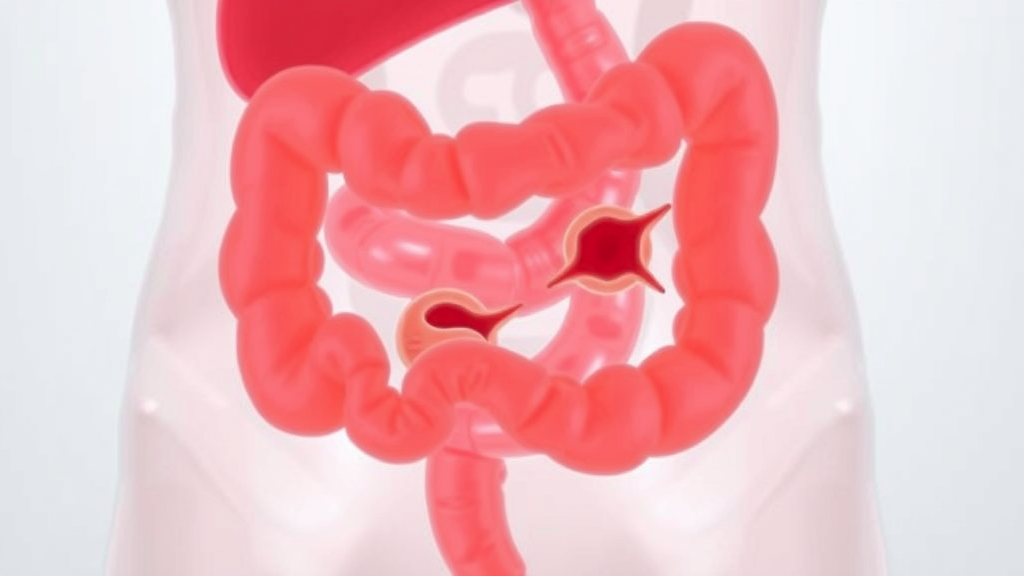
A single-celled parasite best known for causing diarrheal illness in regions with poor sanitation is quietly circulating among visitors to a sexual health clinic in Tokyo, according to a new study published in BMC Infectious Diseases. Researchers found that more than one in ten people tested at the specialized sexually transmitted infection (STI) clinic carried antibodies against Entamoeba histolytica, the protozoan responsible for amebiasis, a rate that rivals the detection of chlamydia in the very same population. The finding adds to a growing body of evidence that this enteric parasite, long treated as a travel medicine problem, behaves in some settings like a sexually transmissible infection.
The study, led by Yasuaki Yanagawa and Ayako Okuhama of the AIDS Clinical Center at the National Center for Global Health and Medicine, together with colleagues in Tokyo and at Tokai University School of Medicine, examined stored blood samples from 1,017 unique clinic attendees. All of the participants had undergone blood testing at the clinic between August and October 2021, and their remaining serum was analyzed for antibodies to E. histolytica alongside the routine clinical data already collected during their visits. Because the analysis was retrospective and relied on specimens and records gathered for routine care, the ethics committee waived the requirement for individual informed consent, and the study was conducted in accordance with the Declaration of Helsinki.
Serology, the technique at the heart of the study, does not detect the parasite itself. Instead, it measures the immune system’s memory of exposure, revealing who has encountered the organism at some point in the past. That distinction matters for interpretation: a positive antibody result does not prove that a person is currently shedding the parasite in their stool, nor does it indicate when infection occurred or in which direction transmission moved between partners. What it does provide is a population-level snapshot of how commonly exposure has occurred, and in this clinic the snapshot was striking. Overall seropositivity stood at 10.7 percent, with a 95 percent confidence interval of 9.0 to 12.8 percent, a yield the authors note is comparable to the 7.5 percent positivity rate for Chlamydia trachomatis detected in the same clinic population over the same period.
The burden was not distributed evenly. Among men who have sex with men (MSM), 16.1 percent tested seropositive, a figure consistent with earlier international reports that have identified MSM as a group at elevated risk for enteric sexually transmitted infections. Female sex workers showed a seropositivity rate of 9.1 percent, while men who did not report sex with men came in at 8.9 percent. Women who were not sex workers had the lowest rate, at 3.9 percent. The pattern suggests that while risk concentrates in the groups historically emphasized in the literature, exposure is not confined to them, and that clinic-defined behavioral categories capture a gradient of risk rather than a simple divide between high- and low-risk populations.
One of the study’s most telling signals emerged when the researchers examined the relationship between seropositivity and the number of concurrent STIs a participant carried. Positivity rose steadily as the count of simultaneous infections increased, a trend that reached statistical significance with a p value for trend of 0.004. This dose-response-like pattern is epidemiologically meaningful because it links parasite exposure to the same behavioral and network factors that drive classical STIs, rather than to contaminated food or water, the traditional routes of amebiasis transmission. In other words, the more a person’s sexual network exposed them to other STIs, the more likely they were to have encountered E. histolytica as well.
To disentangle independent risk factors, the team built multivariable logistic regression models that adjusted for demographic and clinical characteristics simultaneously. Two factors stood out in the overall model. Attendees aged 40 years or older had roughly three times the odds of seropositivity compared with younger participants, with an adjusted odds ratio of 3.33 and a 95 percent confidence interval of 1.99 to 5.63. Positivity for Neisseria gonorrhoeae, the bacterium causing gonorrhea, was also independently associated with parasite exposure, carrying an adjusted odds ratio of 2.99 with a confidence interval of 1.11 to 7.19. The gonorrhea association is particularly intriguing because it suggests that a positive gonorrhea test could serve as a practical clinical marker flagging patients who may benefit from a conversation about enteric parasite risk.
The Japanese context gives the findings added urgency. E. histolytica has been increasingly recognized in Japan as a sexually transmissible enteric pathogen, particularly in urban sexual networks, yet the country’s ability to track temporal trends suffered a setback in 2018 when widely used serologic test kits were discontinued. Surveillance data interpretation has been difficult ever since, because changes in reported case numbers may reflect shifts in testing availability rather than true changes in transmission. By generating fresh seroprevalence estimates from a well-characterized clinic population, the new study offers a benchmark that can anchor future surveillance efforts and help public health officials distinguish genuine epidemiological change from artifacts of the diagnostic supply chain.
Clinically, the authors are careful about what their data can and cannot support. Because serology does not establish current shedding or the direction of transmission, they frame the results as evidence for risk-informed assessment, counseling, and confirmatory testing pathways in metropolitan STI services, rather than as proof of active spread across all sexual networks. In practice, that could mean that clinicians seeing patients with gonorrhea, multiple concurrent STIs, or other markers of elevated exposure consider adding questions about gastrointestinal symptoms and relevant exposures, and pursue confirmatory diagnostics such as stool antigen testing or molecular assays when amebiasis is suspected. Such pathways would be especially relevant for patients with symptoms like prolonged diarrhea, abdominal pain, or unexplained colitis, in whom untreated invasive amebiasis can cause serious morbidity.
The study also carries implications for how STI clinics think about the microbiological landscape of sexual health more broadly. Over the past decade, researchers have documented sexual transmission of several enteric pathogens, including Shigella species, lymphogranuloma venereum strains of Chlamydia trachomatis, and more recently mpox, prompting calls to widen the diagnostic lens beyond the classic STI panel. The new data from Tokyo reinforce the message that a clinic visit for an STI is also an opportunity to detect enteric infections that patients may not mention and that clinicians may not think to test for. Integrating serology or stool-based diagnostics into routine care for higher-risk subgroups, the authors suggest, could uncover a hidden burden that current screening algorithms miss entirely.
Limitations temper the conclusions. The analysis came from a single specialized clinic in Tokyo, so the results may not generalize to primary care settings, rural populations, or other countries. The cross-sectional design captures a single moment in time and cannot establish when exposure occurred or how it related to specific sexual practices. And because the serum testing relied on stored specimens collected for routine purposes, some clinical details available in dedicated research cohorts were necessarily absent. Still, the authors argue, the sheer scale of exposure observed, comparable to one of the most common bacterial STIs in the same population, makes a compelling case that E. histolytica deserves a place in risk-informed screening conversations, surveillance planning, and clinical guidelines for metropolitan sexual health services. As sexual networks and diagnostic technologies evolve, studies like this one provide the evidence base needed to decide which infections belong on the routine testing menu and which patients stand to benefit most from broader screening.
Subject of Research: Seroprevalence of the enteric parasite Entamoeba histolytica among sexually transmitted infection clinic attendees in Japan
Article Title: Entamoeba histolytica seropositivity among STI clinic attendees in Japan: implications for risk-informed screening and surveillance
Article References: Yanagawa, Y., Okuhama, A., Kawashima, A., Shiojiri, D., Gatanaga, H., & Watanabe, K. (2026). Entamoeba histolytica seropositivity among STI clinic attendees in Japan: implications for risk-informed screening and surveillance. BMC Infectious Diseases. https://doi.org/10.1186/s12879-026-14392-2
Image Credits: AI Generated
DOI: 10.1186/s12879-026-14392-2
Keywords: Entamoeba histolytica, amebiasis, sexually transmitted infection, seropositivity, STI clinic, men who have sex with men, gonorrhea, chlamydia, screening, surveillance, public health, Japan
Cite Scienmag News
Ophelia Keating. (September 12, 2026). Common Gut Parasite Shows Surprising Reach in Japanese STI Clinic Study. Scienmag. https://scienmag.com/common-gut-parasite-shows-surprising-reach-in-japanese-sti-clinic-study/
Ophelia Keating. "Common Gut Parasite Shows Surprising Reach in Japanese STI Clinic Study." Scienmag, 12 September 2026, https://scienmag.com/common-gut-parasite-shows-surprising-reach-in-japanese-sti-clinic-study/. Accessed 4 October 2026.
Ophelia Keating. "Common Gut Parasite Shows Surprising Reach in Japanese STI Clinic Study." Scienmag. September 12, 2026. https://scienmag.com/common-gut-parasite-shows-surprising-reach-in-japanese-sti-clinic-study/


