


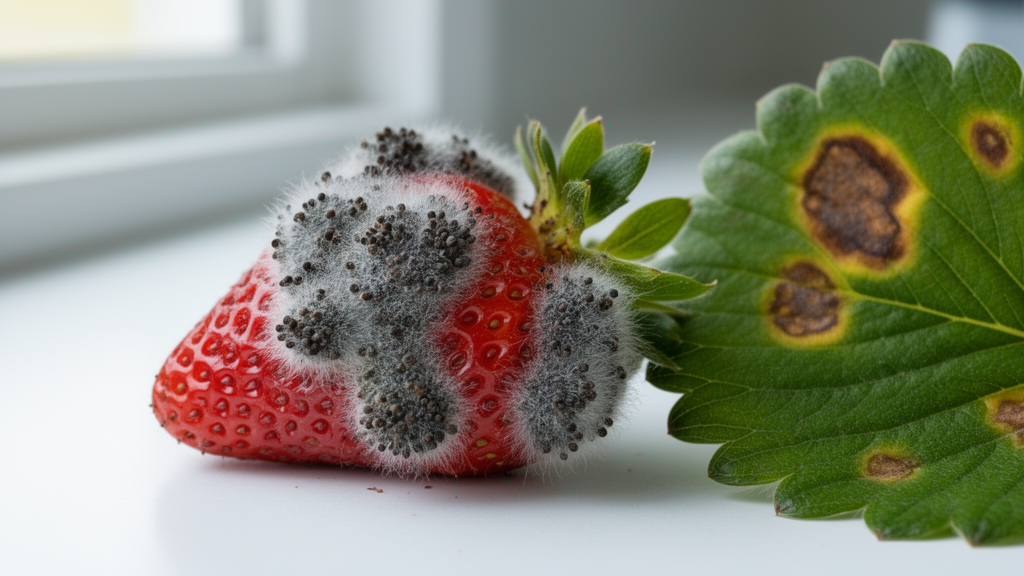
Colletotrichum is one of the most economically damaging groups of plant pathogens on Earth, responsible for the devastating fruit-rotting disease known as anthracnose in crops ranging from mangoes and strawberries to maize and orchids. Now, a genus-wide comparative genomic study has assembled the most comprehensive picture yet of how this fungal genus evolved its remarkable diversity of hosts and lifestyles, revealing deep evolutionary conservation alongside strikingly divergent ecological strategies.
The research, published in IMA Fungus, analyzed the genome sequences of 150 strains representing 97 species across 15 species complexes and four singletons. The team integrated newly assembled genomes from 20 species preserved at the Microbial Library of the Germplasm Bank of Wild Species from Southwest China with publicly available data from the National Center for Biotechnology Information. By combining phylogenomic reconstruction, codon usage analysis, functional gene annotation, and gene family evolution modeling, the investigators built a multi-dimensional framework for understanding how Colletotrichum species have diversified across different host plants and ecological niches.
One of the most significant findings concerns taxonomy itself. The phylogenomic analysis, based on 160 single-copy orthologous genes, clarified the relationships among species complexes and resolved several misidentifications in public databases. The researchers confirmed that C. menglaense and C. parvisporum should be synonymized with C. siamense, while C. dimorphum and C. nanhuaense belong within C. gloeosporioides. They also reassigned several strains previously mislabeled in genomic repositories, including two strains known for producing the pharmaceutical compound huperzine that had been widely used as C. gloeosporioides but actually represent distinct lineages likely constituting two novel species. These corrections underscore how pervasive taxonomic misannotation in public databases can mislead comparative genomic analyses.
The study revealed substantial variation in genome architecture across the genus. Genome sizes ranged from 43.97 megabases in C. graminicola to 144.24 megabases in C. ledebouriae, a 3.3-fold difference. Repeat sequences, particularly long terminal repeat retrotransposons, emerged as the primary driver of this variation. Genomes with higher repeat content showed elevated frequencies of repeat-induced point mutation (RIP) signatures, which introduce C-to-T mutations in duplicated sequences and shift GC content downward. The researchers found that inefficiency in the RIP defense mechanism against transposable elements likely permitted significant genome expansion in certain lineages, particularly those associated with monocotyledonous herbaceous hosts and pathogenic strains.
Gene number, by contrast, remained relatively stable across the genus, ranging from 10,279 to 18,313 predicted genes with no correlation to genome size. Instead, gene number was positively correlated with non-repetitive genome size and negatively correlated with both gene length and intergenic spacing. The intergenic distance distributions suggested that some species, including C. cuscutae and C. gigasporum, may possess two-speed genome architectures with distinct gene-dense and repeat-rich compartments, a feature previously associated with adaptive evolution in fungal pathogens.
A particularly striking discovery involved codon usage bias. The researchers found that Colletotrichum exhibits pronounced preference for cytosine at third codon positions and avoidance of adenine at those positions, patterns that closely followed phylogenetic relationships rather than host type or lifestyle. Principal component analysis showed that codon usage profiles formed distinct clusters corresponding to species complexes, and a Mantel test confirmed that non-random usage bias tracked the phylogeny of the genus. Neutrality plot and effective number of codons analyses indicated that natural selection, rather than mutation pressure, was the dominant force shaping codon usage patterns.
The team uncovered a bistable co-evolutionary relationship between codon usage bias and tRNA gene abundance. For twofold-degenerate codon families, tRNA gene copy number generally matched the magnitude of codon bias, consistent with theoretical predictions that codon usage and tRNA content co-evolve into mutually adaptive states. However, for codon families with multiple synonymous members, the relationship was more complex, with some codons showing extremely low or absent tRNA gene counts despite strong usage bias. The researchers explained these discrepancies through the wobble hypothesis, noting that the pattern of inconsistencies aligned with the typical number of inosine-modified tRNAs in eukaryotes, suggesting a dual strategy of strict codon-anticodon pairing and flexible wobble pairing.
Functional gene repertoires displayed coordinated shifts across ecological contexts. The secretome, comprising proteins with signal peptides but lacking transmembrane helices, varied from 549 to 1,867 proteins across strains. Broad host-range lineages such as the C. gloeosporioides and C. acutatum species complexes possessed significantly larger secretomes than host-specialized lineages infecting herbaceous monocots or dicots. Strains associated with woody or dicotyledonous hosts had larger secretomes, transporter repertoires, transcription factor families, and secondary metabolite biosynthetic gene clusters compared with those from herbaceous or monocotyledonous hosts. These coordinated expansions suggest system-level genomic adaptation to the more complex cell walls of woody dicot plants, which contain higher hemicellulose and lignin content.
Gene family evolution analysis revealed divergent ecological strategies at key evolutionary nodes. The woody host-dominant lineage showed expansion of GH39 glycoside hydrolases and alkaline proteases, alongside oxidative detoxification enzymes targeting aromatic compounds and alkaloids, including cytochrome P450 monooxygenases and FAD-dependent monooxygenases. In contrast, herbaceous-associated lineages preferentially expanded laccases, aldo/keto reductases, and glutathione-dependent enzymes, forming a rapid-response system for neutralizing reactive phenolics and aldehydes. Within herbaceous lineages, dicot-infecting clades expanded glucan- and pectin-degrading enzymes along with nitrile and aldehyde detoxification genes, while monocot-infecting clades underwent pronounced contraction of these same families, consistent with the lower pectin content in monocot cell walls.
The C. gloeosporioides species complex emerged with the most comprehensive functional expansion, combining oxidative and rapid-response detoxification systems, hemicellulose- and pectin-degrading enzymes, adhesion proteins, and broad transcription factor repertoires. This genomic versatility likely underpins its exceptionally broad host range across angiosperms. Meanwhile, endophytic lineages exhibited convergent contraction of gene families related to cell adhesion, cellulose degradation, and cell wall remodeling, indicating functional streamlining toward reduced invasiveness and improved host compatibility. Together, these findings establish a robust phylogenomic framework for Colletotrichum and illuminate the evolutionary mechanisms by which fungal pathogens navigate the complex interface between phylogenetic constraint and ecological adaptation.
Subject of Research: Comparative genomics and ecological adaptation of the fungal plant pathogen genus Colletotrichum
Article Title: Genus-wide comparative genomics of Colletotrichum reveals evolutionary conservation and divergent ecological adaptations
Article References: Shen, J.-X., Qiao, M., Hong, J.-N., Dai, X.-W., Li, W.-J., Liu, S.-Q., & Yu, Z.-F. (2026). Genus-wide comparative genomics of Colletotrichum reveals evolutionary conservation and divergent ecological adaptations. IMA Fungus, 17, Article e195303. https://doi.org/10.3897/imafungus.17.195303
Image Credits: AI Generated
DOI: 10.3897/imafungus.17.195303
Keywords: Colletotrichum, comparative genomics, anthracnose, plant pathology, codon usage bias, transposable elements, gene family evolution, host adaptation, secretome, endophytes, phylogenomics, fungal evolution
Cite Scienmag News
Juliet Wilcox. (October 17, 2026). Colletotrichum genomes reveal how fungal pathogens adapt to woody and herbaceous hosts. Scienmag. https://scienmag.com/colletotrichum-genomes-reveal-how-fungal-pathogens-adapt-to-woody-and-herbaceous-hosts/
Juliet Wilcox. "Colletotrichum genomes reveal how fungal pathogens adapt to woody and herbaceous hosts." Scienmag, 17 October 2026, https://scienmag.com/colletotrichum-genomes-reveal-how-fungal-pathogens-adapt-to-woody-and-herbaceous-hosts/. Accessed 17 October 2026.
Juliet Wilcox. "Colletotrichum genomes reveal how fungal pathogens adapt to woody and herbaceous hosts." Scienmag. October 17, 2026. https://scienmag.com/colletotrichum-genomes-reveal-how-fungal-pathogens-adapt-to-woody-and-herbaceous-hosts/


