


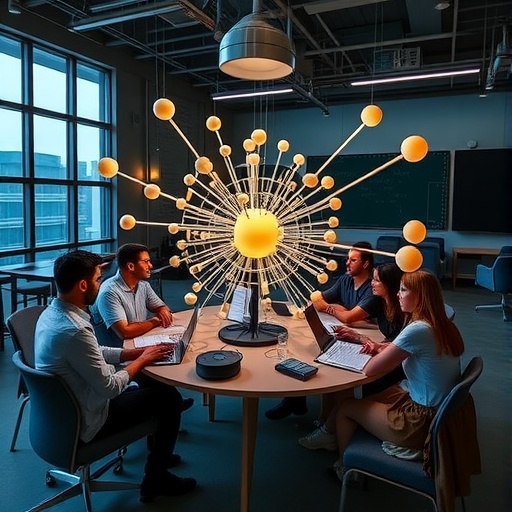
In the ever-evolving landscape of engineering education, the integration of digital communication platforms is revolutionizing the way graduate students collaborate and learn. A recent study takes an in-depth look at how Slack, a leading collaboration tool, reshapes interactions within graduate engineering classes characterized by multiple collaborating groups. This embedded mixed methods case study offers unprecedented insights into communication dynamics, teamwork efficiency, and educational outcomes, setting a new precedent for pedagogical approaches in STEM disciplines.
This investigation centers on a graduate-level engineering class where teamwork and cross-group collaboration are foundational to the curriculum. As engineering problems grow in complexity, requiring multifaceted expertise and constant communication, digital tools like Slack become indispensable. This study exploits Slack’s capabilities to observe not only the quantity but the quality of interactions among students within and across multiple groups, mapping these dynamics to course performance and group functioning.
The essence of this research lies in its embedded mixed methods design, combining quantitative data analysis with qualitative observations. This allows a granular dissection of Slack interaction logs alongside thematic content analysis from student reflections and instructor assessments. Such a dual approach enriches understanding by correlating communication patterns with experiential narratives, drawing a comprehensive picture of the collaboration environment in a digital age.
Empirical findings reveal that Slack channels become vibrant, multi-threaded hubs of academic exchange where problems are dissected, ideas refined, and knowledge constructed collaboratively. The platform’s design facilitates asynchronous dialogue, enabling students to contribute at their pace while maintaining the continuity of group conversations. This flexibility appears to be critical for accommodating diverse work styles and schedules commonly found in graduate education.
Moreover, the study highlights the pivotal role of cross-group interactions mediated by Slack. Unlike traditional classroom settings constrained by physical proximity and time, Slack allows fluid intergroup dialogues, fostering a community of practice that extends beyond isolated teams. These intergroup exchanges were often rich sources of innovative solutions and peer learning, underscoring the importance of open communication channels in complex project-based education.
The qualitative component sheds light on nuanced interpersonal dynamics. Students report increased feelings of connectedness and support, attributing these to Slack’s instant messaging features and the persistent visibility of group progress. This social dimension amplifies motivation and accountability, factors critical to sustaining collaborative effort in demanding academic contexts.
Interestingly, the study also identifies challenges inherent in digital collaboration platforms. Information overload and the potential for miscommunication emerge as significant hurdles, necessitating thoughtful moderation and structured communication protocols. The researchers suggest that explicit training on effective digital communication strategies can enhance the utility of platforms like Slack.
The data also underscores the importance of clear role delineation within groups to avoid redundancy and promote efficiency. Slack’s features, such as pinned messages and task assignments, support organizational clarity, but their effectiveness depends on consistent and intentional use. Such findings advocate for integrating digital literacy and project management skills into engineering education.
Statistical analysis reveals a positive correlation between the frequency of substantive Slack interactions and individual academic performance, suggesting that active engagement in digital collaboration directly benefits learning outcomes. This counters skeptics who argue that digital tools might distract or detract from rigorous study, affirming instead that well-structured digital environments can augment academic success.
Furthermore, the study advances pedagogical theory by situating digital collaboration within the framework of Constructivist learning principles. It illustrates how technology-mediated discourse enables learners to co-construct knowledge actively rather than passively receive information, a critical shift for graduate-level education demanding higher-order thinking and creativity.
The findings also have broad implications for educators designing STEM curricula. Incorporating collaboration platforms like Slack can democratize participation, ensuring that all voices are heard, including those who might be less confident in traditional classroom discussions. This inclusivity fosters diverse perspectives and enriches problem-solving processes.
Looking ahead, the research opens avenues for further exploration into the integration of artificial intelligence with collaboration tools, potentially enhancing personalized feedback and adaptive learning pathways. As engineering problems grow in complexity, such innovations could transform how knowledge is acquired and applied in educational contexts.
In conclusion, this embedded mixed methods case study profoundly advances our understanding of digital collaboration in graduate engineering education. By unpacking the multifaceted interactions facilitated by Slack, it provides a roadmap for harnessing technology to cultivate more effective, inclusive, and dynamic learning environments. The lessons drawn here resonate beyond one class, signaling a future where digital fluency is as vital as technical expertise in engineering education.
Cite Scienmag News
Denise Maddox. (November 27, 2025). Collaborative Engineering Class Dynamics Explored via Slack. Scienmag. https://scienmag.com/collaborative-engineering-class-dynamics-explored-via-slack/
Denise Maddox. "Collaborative Engineering Class Dynamics Explored via Slack." Scienmag, 27 November 2025, https://scienmag.com/collaborative-engineering-class-dynamics-explored-via-slack/. Accessed 4 September 2026.
Denise Maddox. "Collaborative Engineering Class Dynamics Explored via Slack." Scienmag. November 27, 2025. https://scienmag.com/collaborative-engineering-class-dynamics-explored-via-slack/


